Lathyrus, Genus, spp., Multiple species,
- Genus
- Multiple species
sweet peas and vetchlings
Temperate Northern Hemisphere, with species in tropical East African mountains and temperate South America
Overview
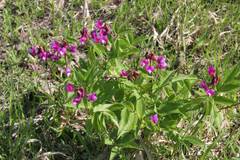
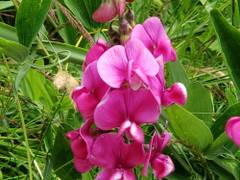
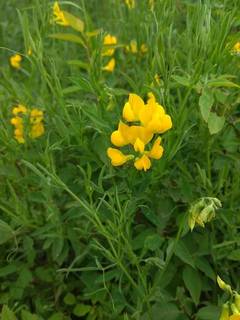
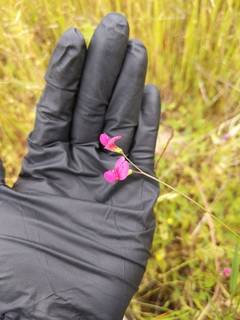
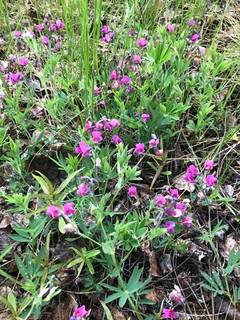
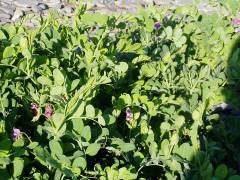
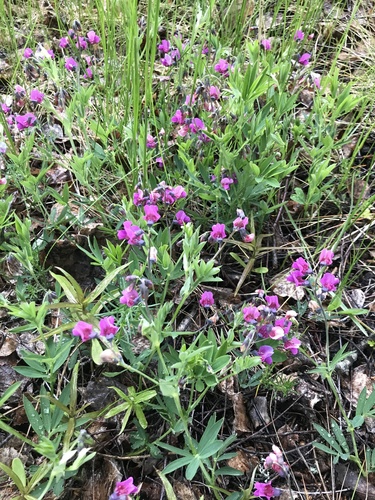
Lathyrus is a genus of about 160 species of annual and perennial legumes in the pea family (Fabaceae), including the annual sweet pea (L. odoratus) and the perennial everlasting pea (L. latifolius). Most are climbing or scrambling plants 3-8 feet (1-2.5 m) long, holding on by branched tendrils at the tips of their pinnate leaves, though some species lack tendrils and form low clumps. The pea-type flowers are carried in long-stalked racemes in pink, purple, red, white, and blue, and several species are fragrant. Winged or angled stems are common across the genus. After flowering, plants form flattened pods that split to scatter the seeds. Like other legumes, Lathyrus fixes nitrogen through root nodules. The seeds of several species, including the sweet pea and the grass pea (L. sativus), contain compounds that are poisonous if eaten in quantity. The genus is native chiefly to temperate regions and ranges from cottage-garden annuals to long-lived border perennials. Cool growing conditions suit most species, and flowering slows in summer heat.
Native Range
Lathyrus is native mainly to temperate regions of the Northern Hemisphere, with further species in the mountains of tropical East Africa and in temperate South America. Several species occur naturally in North America, and others have naturalized there from gardens.Suggested Uses
Grown on trellises, arches, and obelisks for cut flowers and vertical color, and allowed to scramble through shrubs or over banks. Perennial species cover fences and slopes, while annual sweet peas are grown for fragrance and cutting. Low tendril-less species suit the front of a border.How to Identify
Appearance
Size & Dimensions
Height3' - 8'
Width/Spread1' - 3'
Bloom Information
Most Lathyrus bloom from late spring into summer, with annual species flowering longest in cool weather and fading as heat builds. Perennial species flower over several weeks in midsummer. The fragrant species draw bees, which carry out pollination, though many flowers also self-pollinate.
Detailed Descriptions
Flower Description
pink, purple, red, white, or blueFoliage Description
greenGrowing Conditions
Sun Requirements
Requires 6-10 hours of direct sunlight daily
• Full Sun: 6+ hours of direct sunlight
• Partial Shade: 3-6 hours of direct sunlight
• Full Shade: Less than 3 hours of direct sunlight
Water & Climate
Water Needs
Care & Maintenance
Care Guide
Grow Lathyrus in full sun in fertile, well-drained, neutral to slightly alkaline soil with a pH of 6.0-7.5 kept evenly moist. A trellis, netting, or other support lets the climbing species scramble upward. Annual sweet peas are sown in autumn or late winter for cool-season bloom, while perennial species return from the rootstock each spring. As nitrogen-fixing legumes the plants need little nitrogen fertilizer. Regular picking of flowers and removal of forming pods extends the bloom of annual types. Powdery mildew, aphids, and pea root diseases are the main problems.Pruning
Annual species are pulled and composted once they finish in summer. Perennial species are cut back to the ground in late autumn or early spring after they die down. Pinching the tips of young seedlings encourages branching and a fuller, more floriferous plant.Container Growing
Suitable for container growing
Minimum container size: 3 gallons