Lathyrus, Genus, odoratus, Species,
- Genus & species
Sweet pea
Southern Italy, Sicily, and the Aegean islands
Overview
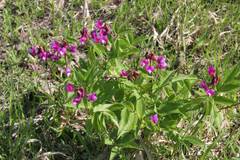
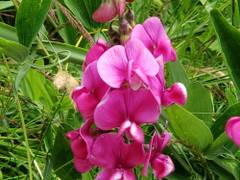
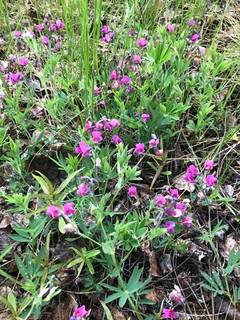
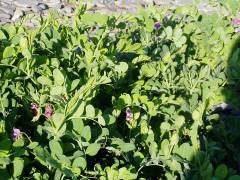
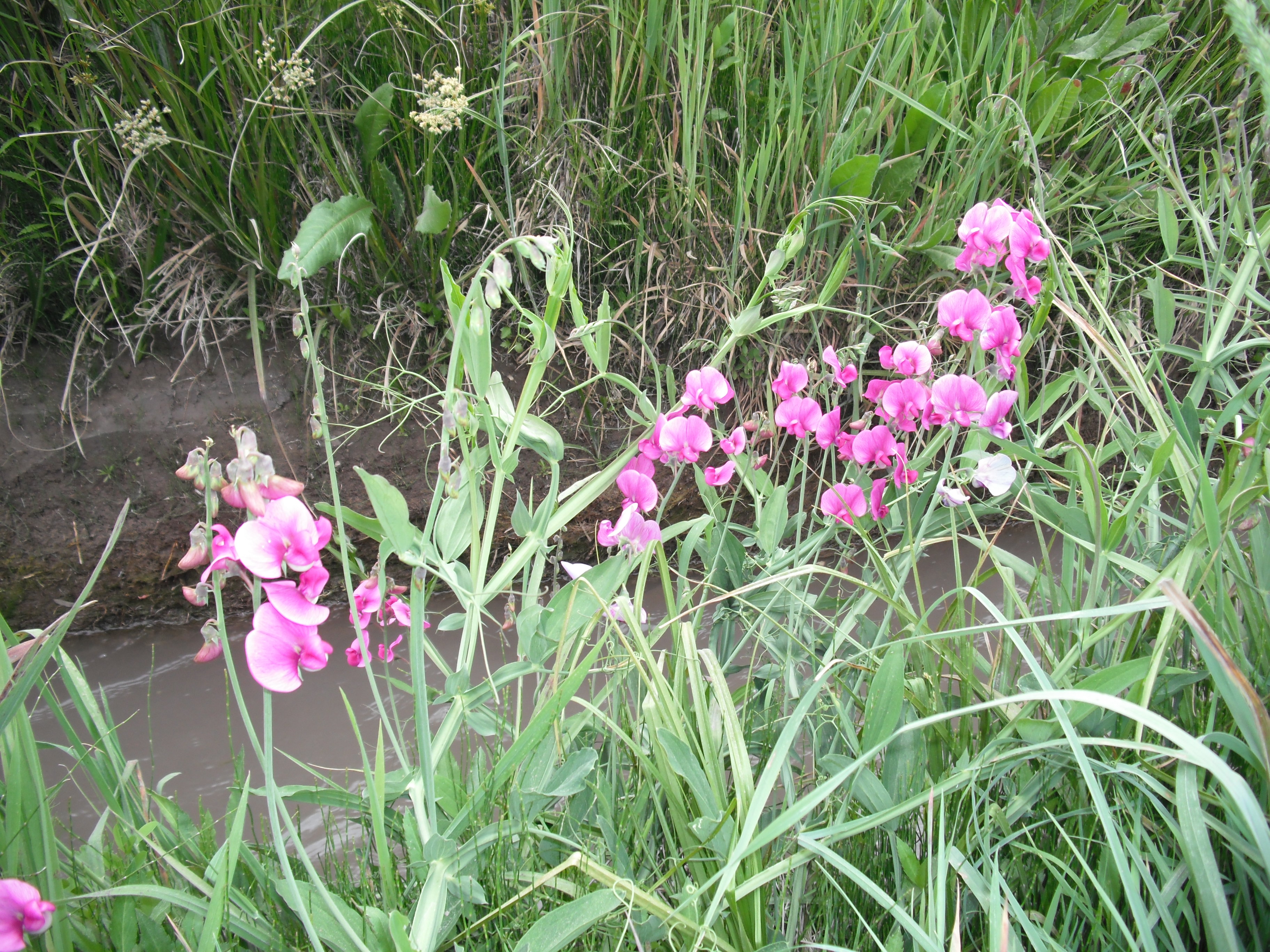
Lathyrus odoratus is an annual climbing legume reaching 6-8 feet (1.8-2.4 m) in one season, holding to supports by branched tendrils; dwarf selections stop at 8-30 inches (20-75 cm). Stems are winged, 0.2-0.3 inch (5-8 mm) wide, and covered in short hairs. Each pinnate leaf carries a single pair of ovate to elliptic leaflets 1.5-2.5 inches (4-6 cm) long, gray-green, terminating in a branched tendril. Flowers are papilionaceous, 1-2 inches (2.5-5 cm) across, carried 3-6 per raceme on stalks 6-16 inches (15-40 cm) long in purple, maroon, red, pink, lavender, blue, and white, frequently bicolored. Scent is strong in heirloom selections such as 'Cupani' and 'Matucana' and weak to absent in some large-flowered Spencer types. Seed pods are flattened, hairy, 1.5-2.5 inches (4-6 cm) long, containing 4-8 seeds. Seedlings emerge 10-21 days after sowing, and plants flower 75-100 days from seed. Flowering ceases within 2-3 weeks once pods are left to ripen, and growth slows above 80F (27C), ending the season by early July in hot-summer regions. Powdery mildew whitens lower foliage from midsummer in humid, still conditions, and aphid feeding at shoot tips transmits pea mosaic virus. All seeds contain beta-aminopropionitrile and are toxic if eaten.
Native Range
Native to southern Italy, Sicily, and the Aegean islands, growing in rough grassland, scrub, and the margins of cultivated ground at 300-3,900 feet (90-1,200 m). Seed was sent from Sicily to England in 1699 by the monk Franciscus Cupani, and garden selections have since naturalized locally in temperate parts of Europe, North America, Australia, and New Zealand.Suggested Uses
Grown on netting, obelisks, and trellis 6-8 feet (1.8-2.4 m) tall at 6-8 inch (15-20 cm) spacing, and in cutting rows within kitchen gardens. Dwarf selections 8-30 inches (20-75 cm) tall grow in containers of 5 gallons (19 L) or larger, though container plants dry out faster and finish flowering 2-3 weeks earlier than plants in open ground. Pods resemble those of the garden pea, Pisum sativum, but the seeds are toxic.How to Identify
Appearance
Size & Dimensions
Height6' - 8'
Width/Spread1' - 1'6"
Bloom Information
Flowers June through August in zones 3-7 from a late-winter or early-spring sowing, and April through June in zones 8-10 from an autumn sowing. Individual racemes hold 5-7 days once cut and 7-10 days on the plant, with total bloom running 6-10 weeks where night temperatures stay below 60F (16C). Racemes removed every 2-3 days extend flowering, while racemes left to set pods end bloom within 2-3 weeks. Where July daytime temperatures exceed 85F (29C), flowering stops by early July regardless of sowing date.
Detailed Descriptions
Flower Description
Purple, maroon, red, pink, lavender, blue, and white, frequently bicoloredFoliage Description
Gray-greenGrowing Conditions
Sun Requirements
Requires 6-8 hours of direct sunlight daily
• Full Sun: 6+ hours of direct sunlight
• Partial Shade: 3-6 hours of direct sunlight
• Full Shade: Less than 3 hours of direct sunlight
Water & Climate
Water Needs
Care & Maintenance
Care Guide
Seeds germinate in 10-21 days at 55-65F (13-18C); soaking for 12-24 hours or nicking the hard coat raises germination in dark-seeded selections. Plants root 18-24 inches (45-60 cm) deep and take 1-1.5 inches (25-38 mm) of water per week applied at the base, with 2-3 inches (5-8 cm) of mulch holding soil moisture. Pinching the growing tip above the second or third leaf pair, once seedlings reach 4-6 inches (10-15 cm), produces 3-5 basal shoots in place of a single stem. A high-potassium liquid feed every 10-14 days from first bud sustains stem length, while excess nitrogen increases leaf growth and lowers flower count. Aphids colonize shoot tips from mid-spring and transmit pea mosaic virus, which mottles leaves and streaks petals. Powdery mildew develops on lower leaves from midsummer in humid weather with poor air movement.Pruning
Racemes are cut or removed every 2-3 days through the flowering period, holding plants in bloom for 6-10 weeks; pods left to ripen end flowering within 2-3 weeks. On cordon-grown plants, tendrils and side shoots are stripped weekly so growth concentrates in one stem, producing flower stalks 12-18 inches (30-45 cm) long against the 6-10 inches (15-25 cm) typical of untrained plants. Spent plants are cut at soil level in late summer, leaving nitrogen-fixing root nodules in the soil.Pruning Schedule
Prune: June–August
summer
Container Growing
Suitable for container growing
Minimum container size: 5 gallons
Toxicity Warning
Toxic to pets and humansPlanting Guide
Planting Methods & Timing
Planting Method
both
Indoor Start
6 weeks before last frost
Direct Sow Timing
Sown outdoors in autumn in zones 8-10, or 4-6 weeks before the last spring frost in zones 3-7, at a depth of 1 inch (2.5 cm)
Days to Maturity
75–100 days
Plant Spacing
6 inches