Ilex, Genus, spp., Multiple species,
- Genus
- Multiple species
hollies
Overview
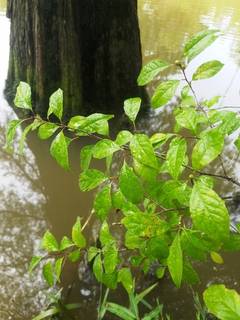
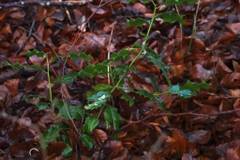
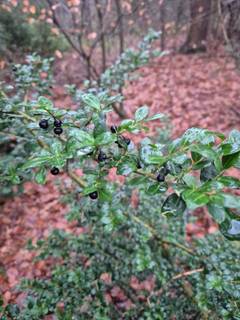
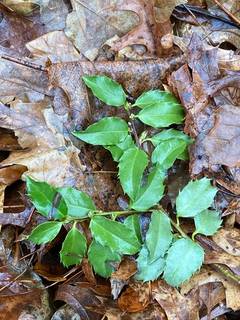
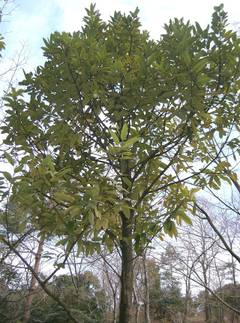
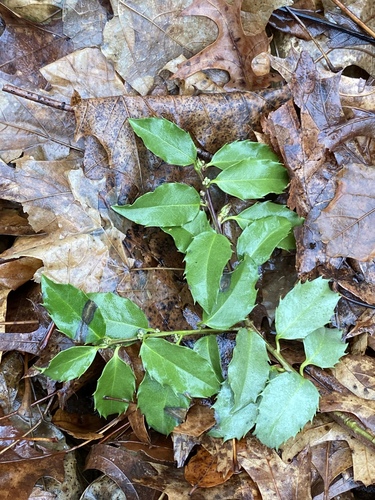
Ilex is a genus of roughly 500 species of evergreen and deciduous shrubs and trees in the family Aquifoliaceae, distributed across temperate and tropical regions worldwide. Plants range from low shrubs under 1 m (3 ft) to trees over 15 m (50 ft) tall. The leaves are simple and alternate, often leathery and glossy, and in many evergreen species edged with stiff spines; deciduous species such as winterberry have thin, toothed, spineless leaves. Nearly all species are dioecious, carrying male and female flowers on separate plants, so only female plants set fruit and only when a male grows nearby. The flowers are small, greenish-white, and easily overlooked. Female plants bear clusters of berry-like fruits, usually red but sometimes black, orange, or yellow, 5–10 mm (0.2–0.4 in) across, that often persist into winter. The fruits contain saponins and other compounds that cause vomiting and diarrhea in people if eaten. Because fruiting depends on a nearby male, a single isolated plant may flower for years without ever bearing fruit.
Native Range
The genus is nearly worldwide, with the greatest diversity in the tropics and subtropics of Central and South America and Southeast Asia, and familiar temperate species in eastern North America, Europe, and East Asia.Suggested Uses
Used as hedges, screens, foundation plantings, and specimens, with berrying female plants grown for winter color and cut stems for decoration. Dense evergreen forms shelter and feed birds. The spiny foliage of many evergreen species limits placement near paths and play areas.How to Identify
Appearance
Size & Dimensions
Height3' - 50'
Width/Spread3' - 20'
Bloom Information
Flowering occurs in late spring, broadly May to June, when the small greenish-white flowers open. Insects, mainly bees, carry pollen from male to female plants. Fruit develops through summer and colors in autumn, often holding on the branches well into winter.
Detailed Descriptions
Foliage Description
greenGrowing Conditions
Sun Requirements
Requires 4-8 hours of direct sunlight daily
• Full Sun: 6+ hours of direct sunlight
• Partial Shade: 3-6 hours of direct sunlight
• Full Shade: Less than 3 hours of direct sunlight
Care & Maintenance
Care Guide
Most species grow in full sun to part shade and moist, well-drained, acidic to neutral soil with a pH of 5.0 to 7.0. Evergreen species hold their leaves through winter and can scorch in cold, drying winds. Hardiness ranges from USDA zones 3 to 9 depending on species, with deciduous winterberry types reaching the coldest zones. Both a male and a female plant are needed within range of pollinating insects for the female to fruit. Established plants tolerate short dry spells but fruit most heavily with steady moisture. Chlorosis appears on alkaline soils where iron is locked away.Pruning
Evergreen hollies tolerate shearing and are pruned in late winter to shape hedges or specimens. Deciduous species are thinned after fruiting to remove old stems. Cutting branches with berries for winter arrangements doubles as light pruning.Pruning Schedule
Prune: February–March
winter
Container Growing
Suitable for container growing
Minimum container size: 5 gallons