Helleborus, Genus, spp., Multiple species,
- Genus
- Multiple species
hellebores
Europe and western Asia, with one species in China
Overview
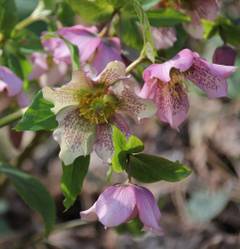
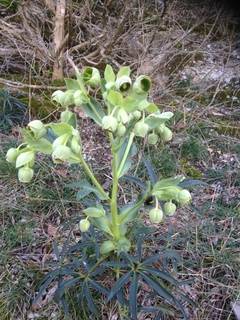
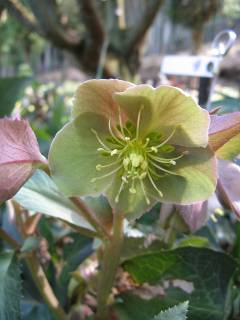
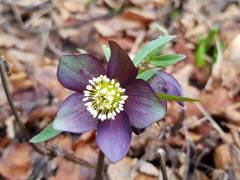
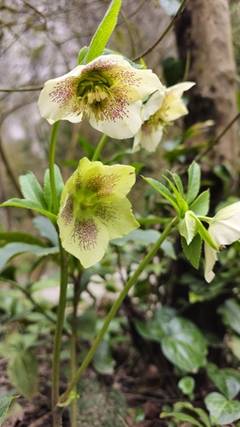
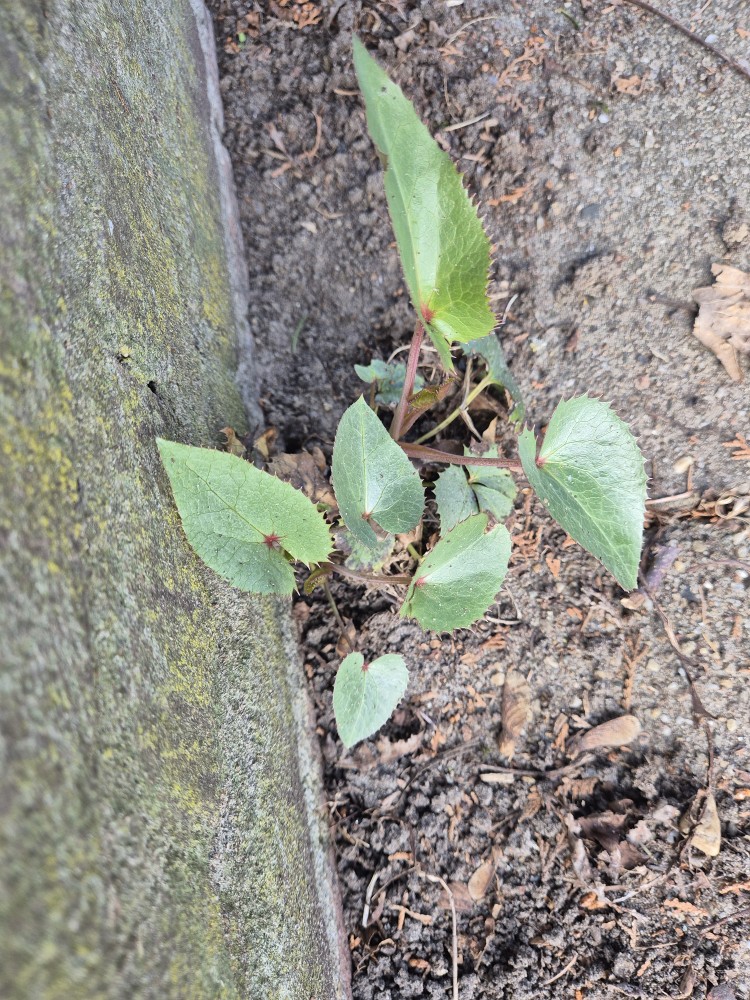
Helleborus is a genus of about 20 species of evergreen and deciduous perennials in the buttercup family (Ranunculaceae), known as hellebores, native to Europe and western Asia with one species in China. Plants form clumps 8–24 inches (20–60 cm) tall of leathery, deeply divided dark green leaves that persist through winter in most species. Cup- or bowl-shaped flowers 1.5–3 inches (4–8 cm) across nod on short stems from midwinter into spring, in white, green, pink, purple, and shades close to black; the showy parts are sepals that hold their color for weeks after the true petals fall. The genus grows in woodland, scrub, and rocky slopes, often on limestone, from the Balkans west to Britain and east into Asia. Plants flower in cold weather when little else is in bloom and draw early bees on mild days. All parts contain cardiac glycosides and the irritant protoanemonin, and the sap can blister skin and cause poisoning if eaten. H. niger and the H. ×hybridus group are grown in shaded gardens, where black death virus and leaf-spot fungi are the main problems.
Native Range
The genus is native to Europe and western Asia, centered in the Balkans, with outliers west to Britain and one species, H. thibetanus, in China. Helleborus grows in deciduous woodland, scrub, and rocky slopes, often over limestone. Plants favor cool, partly shaded sites with steady winter moisture.Suggested Uses
Helleborus is grown in shaded borders, woodland gardens, and containers, spaced 15–18 inches (38–45 cm) apart, where the winter flowers carry the season. The evergreen clumps cover ground beneath deciduous trees and shrubs. The early flowers draw bees on mild winter days.How to Identify
Appearance
Size & Dimensions
Height8" - 2'
Width/Spread1' - 2'
Bloom Information
Flowering runs from midwinter into spring, roughly January through April depending on species and climate. The sepals hold their color for many weeks after the flowers are pollinated, extending the display. H. niger opens earliest, often around midwinter, while the H. ×hybridus group follows in late winter and spring.
Detailed Descriptions
Flower Description
white, green, pink, purple, to near-blackFoliage Description
dark greenGrowing Conditions
Sun Requirements
Requires 2-6 hours of direct sunlight daily
• Full Sun: 6+ hours of direct sunlight
• Partial Shade: 3-6 hours of direct sunlight
• Full Shade: Less than 3 hours of direct sunlight
Care & Maintenance
Care Guide
Plants grow in part shade on fertile, well-drained loam, clay, or chalky soil at a pH of 6.5–7.5, with steady moisture. Established clumps withstand short dry spells under deciduous trees. Cutting away old, marked leaves in late winter exposes the emerging flowers and limits leaf-spot fungus. Plants resent disturbance and are slow to recover from division, so clumps are left in place for years. All parts are poisonous, and the sap irritates skin on contact.Pruning
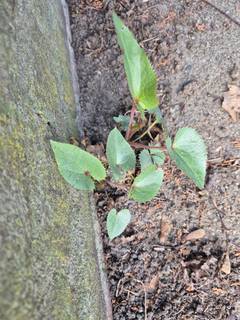
Old and weather-marked leaves are cut to the base in late winter as the flower buds rise, which exposes the blooms and reduces leaf-spot fungus. Spent flower stems are removed after the sepals fade unless seed is wanted. Self-sown seedlings are lifted and moved while small.Container Growing
Suitable for container growing