Image 1 of 25
1 / 25
Plant Reference
Helleborus, Genus, ×, Hybrid, hybridus, Species,
- Genus & species
- Hybrid
hybrid hellebore
Garden hybrid — parent species from southeastern Europe (Greece, Turkey, Balkans) and western Asia Minor; deciduous woodlands and rocky slopes
Overview
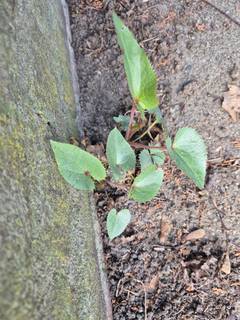
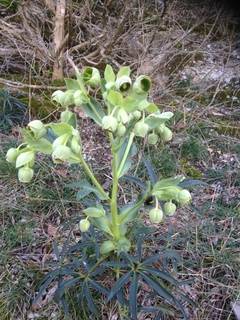
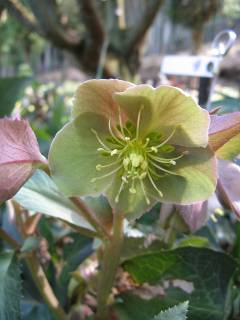
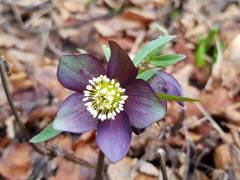
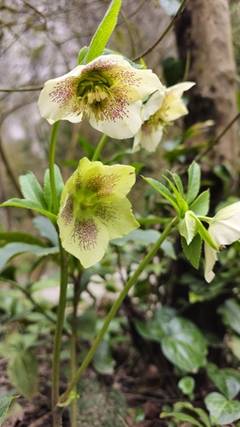
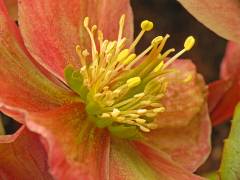
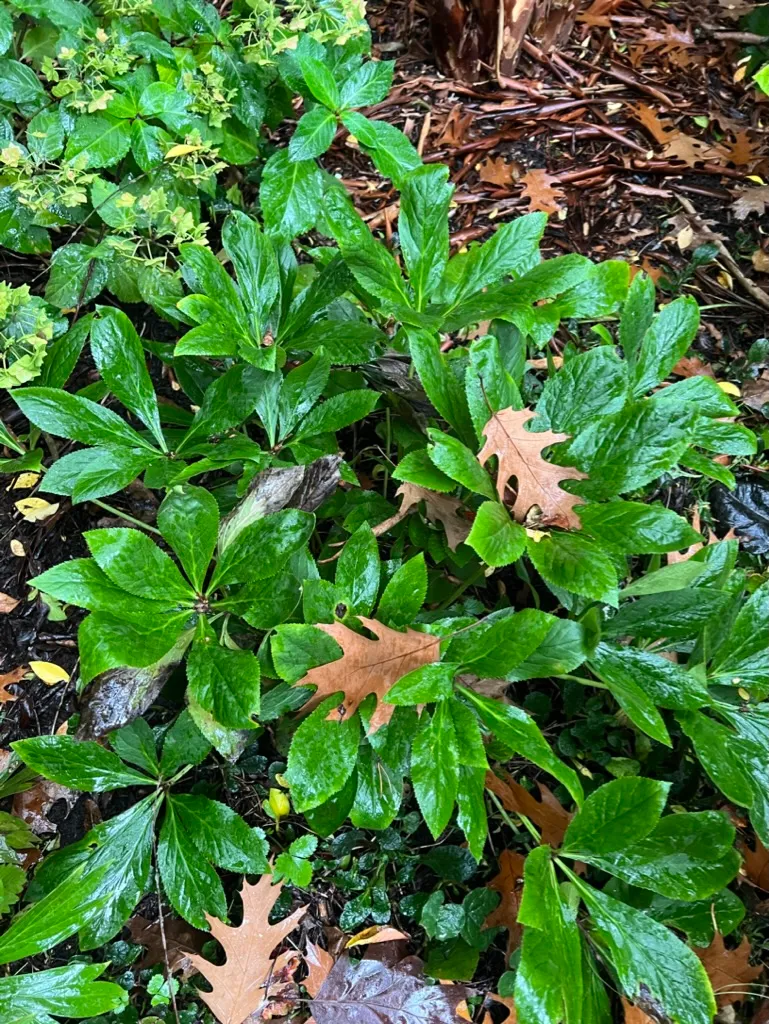
Helleborus × hybridus is hybrid hellebore (Lenten rose), a mounding evergreen perennial growing 12-24 inches (30-60 cm) tall and 18-24 inches (45-60 cm) wide. Nodding saucer-shaped flowers 2-3 inches (5-7 cm) with 5 petal-like sepals in white, cream, pink, rose, purple, near-black, yellow, green, or spotted in February-April (10 weeks). Deep green palmate-compound leathery leaves with 7-9 broad toothed leaflets. In Ranunculaceae. Garden hybrid — parent species from southeastern Europe and western Asia Minor. The colorful parts are sepals (the true petals are tubular nectaries). The flowers nod downward — plant on a slope or raised bed to view the interiors. This nodding habit limits visibility at ground level. Self-sows freely — seedlings vary in color. Cut old foliage to the ground in January-February to expose emerging flowers. Contains protoanemonin and steroidal saponins — all parts toxic if ingested. Tolerates alkaline and chalky soils. Deer-resistant (toxicity). Drought-tolerant once established. Zones 5-9. Part shade to full shade. Growth rate is moderate.
Native Range
Garden hybrid — parent species from southeastern Europe (Greece, Turkey, Balkans) and western Asia Minor. Found in deciduous woodlands and rocky slopes.Suggested Uses
Grown under deciduous trees, in shade borders, and in containers of at least 5 gallons (19 L), spaced 18-24 inches (45-60 cm). Plant on slopes or raised beds to view nodding flowers. Late winter color. Evergreen. Toxic. Deer-resistant. Zones 5-9.How to Identify
Appearance
Size & Dimensions
Height1' - 2'
Width/Spread1'6" - 2'
Colors
Foliage Colors
Fall Foliage Colors
Bloom Information
Detailed Descriptions
Flower Description
Variable: white, cream, pink, rose, purple, near-black, yellow, green, or spotted/picotee — nodding, saucer-shaped, 2-3 inches (5-7 cm), with 5 petal-like sepals (the true petals are modified into nectaries)Foliage Description
Deep green, palmate-compound with 7-9 broad toothed leaflets each 3-5 inches (7-13 cm); leathery; evergreen year-roundGrowing Conditions
Sun Requirements
Requires 2-5 hours of direct sunlight daily
• Full Sun: 6+ hours of direct sunlight
• Partial Shade: 3-6 hours of direct sunlight
• Full Shade: Less than 3 hours of direct sunlight
Care & Maintenance
Care Guide
Part shade to full shade (2-5 hours). Well-drained soil pH 6.0-7.5 (tolerates alkaline and chalk). Cut old foliage to ground in January-February to expose flowers. Drought-tolerant once established. Self-sows (variable seedling color). All parts toxic (protoanemonin, saponins). Deer-resistant. Zones 5-9.Pruning
Cut old tattered foliage to the ground in late winter (January-February) before new growth emerges. Remove spent flower stems after sepals brown. Remove self-sown seedlings of unwanted color.Pruning Schedule
Prune: January–February
winterearly spring
Container Growing
Suitable for container growing
Minimum container size: 5 gallons