Image 1 of 20
1 / 20
Plant Reference
Helleborus, Genus, argutifolius, Species,
- Genus & species
Corsican hellebore
Corsica, Sardinia, and the Balearic Islands; dry rocky maquis, open woodland, and road banks
Overview
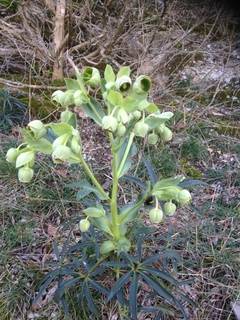
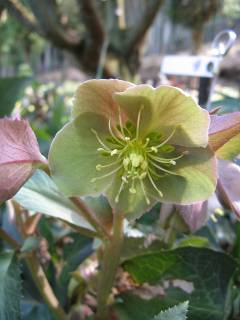
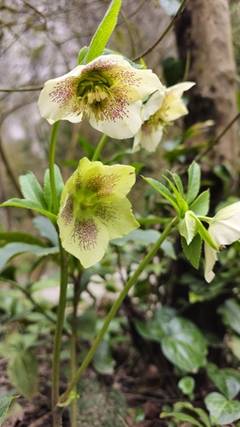
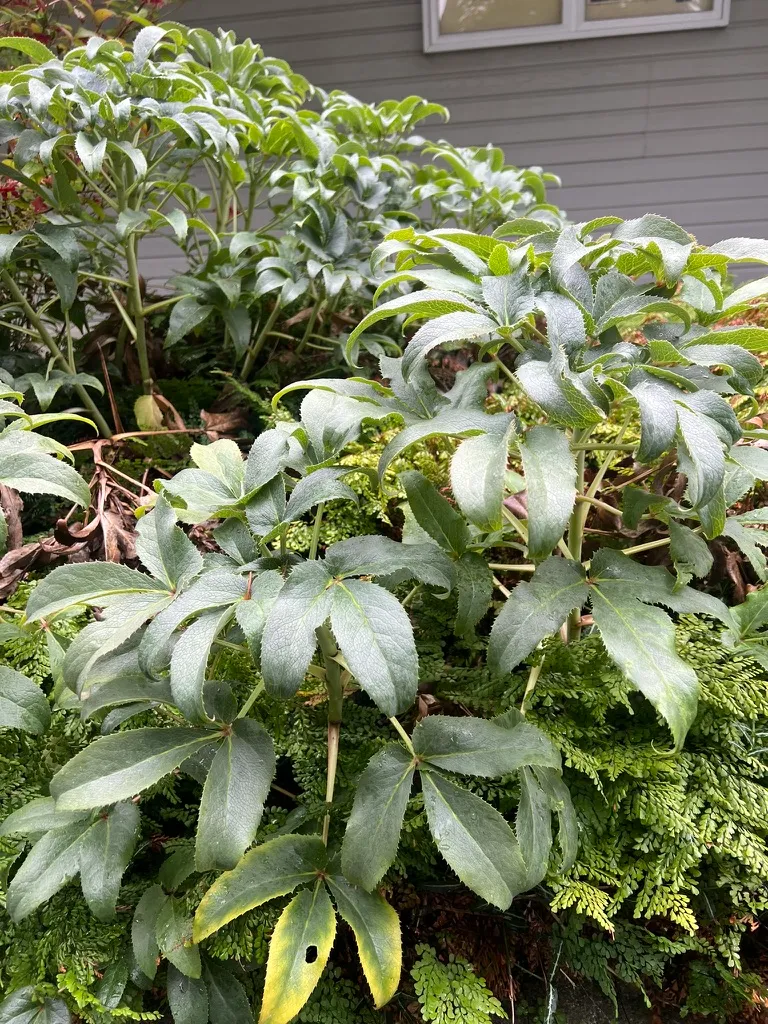
Helleborus argutifolius is Corsican hellebore (holly-leaved hellebore), an upright evergreen perennial growing 24-36 inches (60-90 cm) tall and 24-36 inches (60-90 cm) wide. Pale apple-green to chartreuse cup-shaped flowers 1.5-2 inches (4-5 cm) in large terminal cymes of 15-30 in January-April (10 weeks). The largest flower clusters of any Helleborus species. Blue-green to gray-green leathery trifoliate leaves with sharply serrated holly-like leaflets 3-6 inches (7-15 cm). In Ranunculaceae. Argutifolius = sharp-leaved. Native to Corsica, Sardinia, and the Balearic Islands. Biennial stem habit — first-year stems produce foliage; second-year stems flower and die. Cut spent flowering stems to the ground after seed set. Tolerates more sun and drought than most hellebores. Tolerates alkaline and chalky soil (pH to 7.5). Self-sows freely — this prolific self-seeding is the primary maintenance consideration. All parts toxic (protoanemonin, hellebrin). Deer-resistant. Zones 6-9. Part shade to full sun. Growth rate is moderate.
Native Range
Native to Corsica, Sardinia, and the Balearic Islands. Found on dry rocky maquis, open woodland, and road banks.Suggested Uses
Grown in dry shade, woodland edges, Mediterranean gardens, and in containers of at least 5 gallons (19 L), spaced 24-36 inches (60-90 cm). Winter-spring flowers. Drought-tolerant for a hellebore. Self-sows. All parts toxic. Zones 6-9.How to Identify
Appearance
Size & Dimensions
Height2' - 3'
Width/Spread2' - 3'
Colors
Bloom Information
Detailed Descriptions
Flower Description
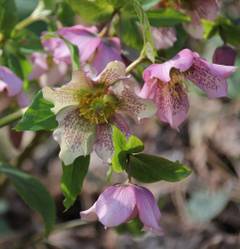
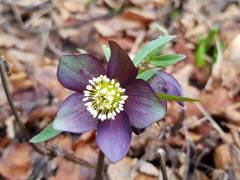
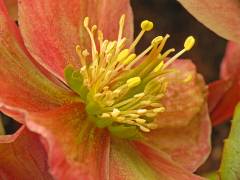
Pale apple-green to chartreuse, cup-shaped, 1.5-2 inches (4-5 cm), in large terminal cymes of 15-30 nodding flowers; the largest flower clusters of any hellebore species; January-AprilFoliage Description
Blue-green to gray-green, leathery, trifoliate with 3 broadly lance-shaped sharply serrated (holly-like) leaflets 3-6 inches (7-15 cm) each; the holly-like toothing is the basis for argutifolius (= sharp-leaved); evergreen year-roundGrowing Conditions
Sun Requirements
Requires 2-6 hours of direct sunlight daily
• Full Sun: 6+ hours of direct sunlight
• Partial Shade: 3-6 hours of direct sunlight
• Full Shade: Less than 3 hours of direct sunlight
Care & Maintenance
Care Guide
Part shade to full sun (2-6 hours). Well-drained soil pH 6.5-7.5 (tolerates chalk). Drought-tolerant once established — more sun- and drought-tolerant than most hellebores. Cut spent flowering stems to ground after seed set (May-June). Self-sows freely. All parts toxic. Deer-resistant. Zones 6-9.Pruning
Cut spent flowering stems (second-year) to the ground after seed set (May-June). Leave first-year vegetative stems — they flower the following year. Remove tattered old foliage before new growth in late winter (February).Pruning Schedule
Prune: February & May–June
winterlate spring
Container Growing
Suitable for container growing
Minimum container size: 5 gallons