Helleborus, Genus, foetidus, Species,
- Genus & species
stinking hellebore
Western and central Europe — Portugal and Spain east through France, the British Isles, Germany, Switzerland, and into the Balkans; calcareous rocky woods, scrub, cliff bases, and disturbed ground on well-drained alkaline soils from sea level to approximately 5,250 feet (1,600 m) elevation
Overview
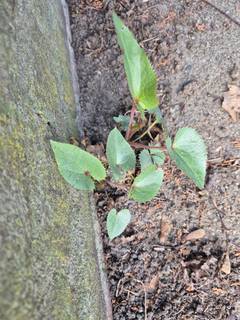
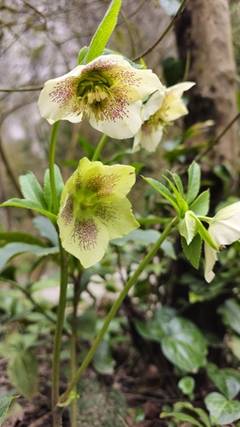
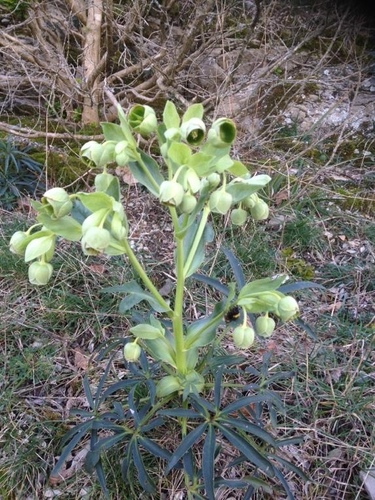
Helleborus foetidus is an upright clump-forming evergreen perennial in the buttercup family Ranunculaceae growing 18–24 inches (45–60 cm) tall and 18–24 inches (45–60 cm) wide from a fibrous-rooted crown that produces stout branching stems with the foliage clustered toward the upper portion of each stem to create a palm-like silhouette. The specific epithet foetidus is Latin for stinking and refers to the fetid odor released when the foliage is crushed or bruised; the common name stinking hellebore reflects the same trait, though the odor is detectable only when the foliage is handled and is not noticeable on undisturbed plants in the garden. Leaves are dark green and pedate-compound — deeply divided into 7–11 narrow strap-like segments 4–7 inches (10–18 cm) long, each with serrated margins, arranged radiating from the petiole tip in a pattern that resembles a bird's foot (the source of the alternative common name bear's-foot hellebore). Stems are biennial and follow a two-year life cycle: in the first year the stems produce only vegetative growth without flowers, and in the second year the same stems produce the terminal flower cymes and the seed crop before dying back at the end of the season — this biennial stem pattern is the cultural feature that determines the timing of stem removal because cutting first-year vegetative stems removes the source of next year's bloom. Small nodding bell-shaped chartreuse-green flowers 0.5–0.75 inch (12–20 mm) across with a narrow maroon-purple rim along the sepal margins open in large terminal cymes of 15–40 blooms per flowering stem from January through March across an 8-week bloom period, and the deepest-winter bloom timing fills a bloom gap when most other garden plants are dormant. Self-seeding is prolific in suitable conditions — established plants produce 10–30 seedlings annually around the parent plant in soft soil where the seed can germinate, and self-sown seedlings spread several feet (1 m) from the parent over time. Limitation: all parts of the plant — leaves, stems, flowers, and roots — contain protoanemonin and helleborin (a steroidal saponin) and are toxic to humans, livestock, cats, and dogs if ingested, producing severe gastrointestinal irritation, oral burning, and (at higher ingested quantities) cardiac and neurological effects. Sap from cut stems can cause contact dermatitis on sensitive skin, and leather gloves are warranted during any pruning operation or division of the plant. Native to western and central Europe — from Portugal and Spain east through France, the British Isles, Germany, Switzerland, and into the Balkans — growing on calcareous rocky woods, scrub, cliff bases, and disturbed ground on well-drained alkaline soils. Drought-tolerant once established. Deer-resistant.
Native Range
Native to western and central Europe — from Portugal and Spain east through France, the British Isles, Germany, Switzerland, and into the Balkans — growing on calcareous rocky woods, scrub, cliff bases, and disturbed ground on well-drained alkaline soils typically in partial shade or open woodland from sea level to approximately 5,250 feet (1,600 m) elevation. The species' tolerance of dry shade, alkaline soils, and rocky calcareous substrates is the basis for the species' performance in difficult dry-shade garden positions where many other shade perennials decline.Suggested Uses
Used in woodland gardens, dry shade borders, naturalistic plantings, mixed shade borders, and containers of at least 5 gallons (19 L) at 18–24 inch (45–60 cm) spacing between plants in USDA zones 5 through 9. The palm-like leaf form, the deepest-winter bloom (January through March), and the tolerance of dry shade and alkaline calcareous soil combine to fill a specific garden niche in dry shade positions under deciduous trees where most other shade perennials decline, and the species reliably flowers in the depths of winter across temperate zones 6 through 9 when most hardy flowering perennials are dormant. Self-sown seedlings spread several feet from the parent plant in soft soils, and the self-seeding habit suits informal and naturalistic planting schemes where the spread is welcome. Heavy clay and consistently wet soils are unsuitable because of the crown rot risk. Gardens where children, pets, or livestock may access the foliage or roots should account for the protoanemonin and helleborin toxicity of all plant parts.How to Identify
Appearance
Size & Dimensions
Height1'6" - 2'
Width/Spread1'6" - 2'
Colors
Bloom Information
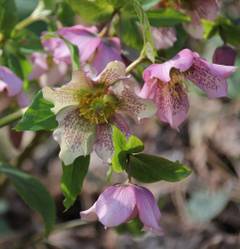
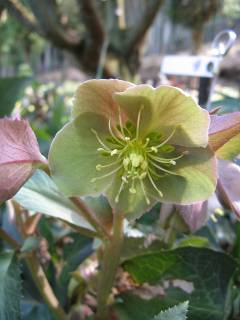
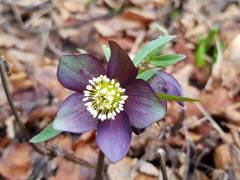
Small nodding bell-shaped chartreuse-green flowers 0.5–0.75 inch (12–20 mm) across with a narrow maroon-purple rim along the sepal margins open in large terminal cymes of 15–40 blooms per flowering stem from January through March across an 8-week bloom period. Peak flowering reaches February in zones 6 through 9 and late February to early March in colder zones, and individual flowers persist 4–6 weeks on the plant before declining. The deepest-winter bloom timing fills a bloom gap when most other garden plants are dormant. Honeybees, bumblebees, and other early-season pollinators work the flowers heavily on warm winter and early-spring days when they emerge from dormancy.
Detailed Descriptions
Flower Description
small nodding bell-shaped chartreuse-green flowers 0.5-0.75 inch (12-20 mm) across, typically edged with a narrow maroon-purple rim along the sepal margins; carried in large terminal cymes of 15-40 blooms per flowering stem from January through MarchFoliage Description
dark green pedate-compound leaves deeply divided into 7-11 narrow strap-like segments 4-7 inches (10-18 cm) long with serrated margins, arranged in a bird's-foot pattern radiating from the petiole tip; the foliage is clustered toward the upper portion of stout stems giving the plant a palm-like silhouette; crushed foliage releases a fetid odor that gives the species its common nameGrowing Conditions
Sun Requirements
Requires 1-4 hours of direct sunlight daily
• Full Sun: 6+ hours of direct sunlight
• Partial Shade: 3-6 hours of direct sunlight
• Full Shade: Less than 3 hours of direct sunlight
Care & Maintenance
Care Guide
Site in part shade to full shade with 1–4 hours of direct sun per day in well-drained loam, chalk, or rocky soil with a pH of 6.5–8.0 — the species is intolerant of heavy clay and consistently wet soils where crown rot develops. Drought tolerance develops once the root system is established, and supplemental water is needed only during the first growing season and during prolonged drought when established plants may drop lower leaves. Spent second-year flowering stems are removed at the base after seed set in late spring once the stems begin to yellow, and first-year vegetative stems are left in place because they will produce the following year's flowers. Self-seeding is prolific in soft soil where the seed can germinate — 10–30 seedlings per parent plant per year is typical in suitable conditions, and removal of the spent flower cymes before seed dispersal limits the spread of seedlings into the surrounding garden if naturalization is not wanted. All parts contain protoanemonin and helleborin (a steroidal saponin) and are toxic to humans, livestock, cats, and dogs if ingested, and the sap from cut stems can cause contact dermatitis on sensitive skin — leather gloves are warranted during any pruning operation or division of the plant. Deer-resistant. Hardy in USDA zones 5–9.Pruning
Spent second-year flowering stems are removed at the base after seed set in late spring (May or June) once the stems begin to yellow and weaken, and first-year vegetative stems are left in place because they will produce the following year's flower cymes. Older damaged or cold-scorched leaves are removed at any time of year to maintain a tidy plant appearance, and lower leaf drop in summer is normal seasonal senescence and does not indicate disease. Removal of spent flower cymes before seed dispersal limits the prolific self-seeding spread of the species into the surrounding garden if naturalization is not wanted. Leather gloves are warranted during any pruning operation or division because the cut stems release sap that contains protoanemonin and that can cause contact dermatitis on sensitive skin.Pruning Schedule
Prune: May–June
late spring
Container Growing
Suitable for container growing
Minimum container size: 5 gallons