Helleborus, Genus, sternii, Species,
- Genus & species
Stern's hellebore
Garden hybrid (H. argutifolius from Corsica and Sardinia × H. lividus from Majorca); named for Sir Frederick Stern of Highdown, Sussex, England
Overview
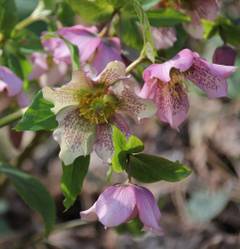
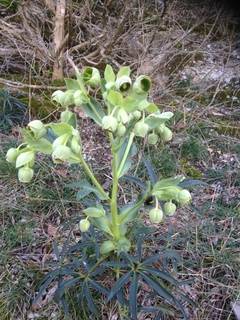
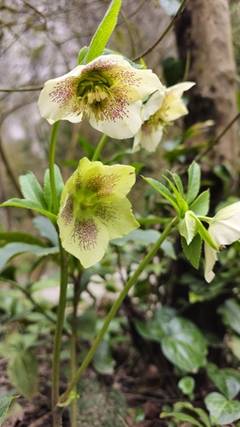
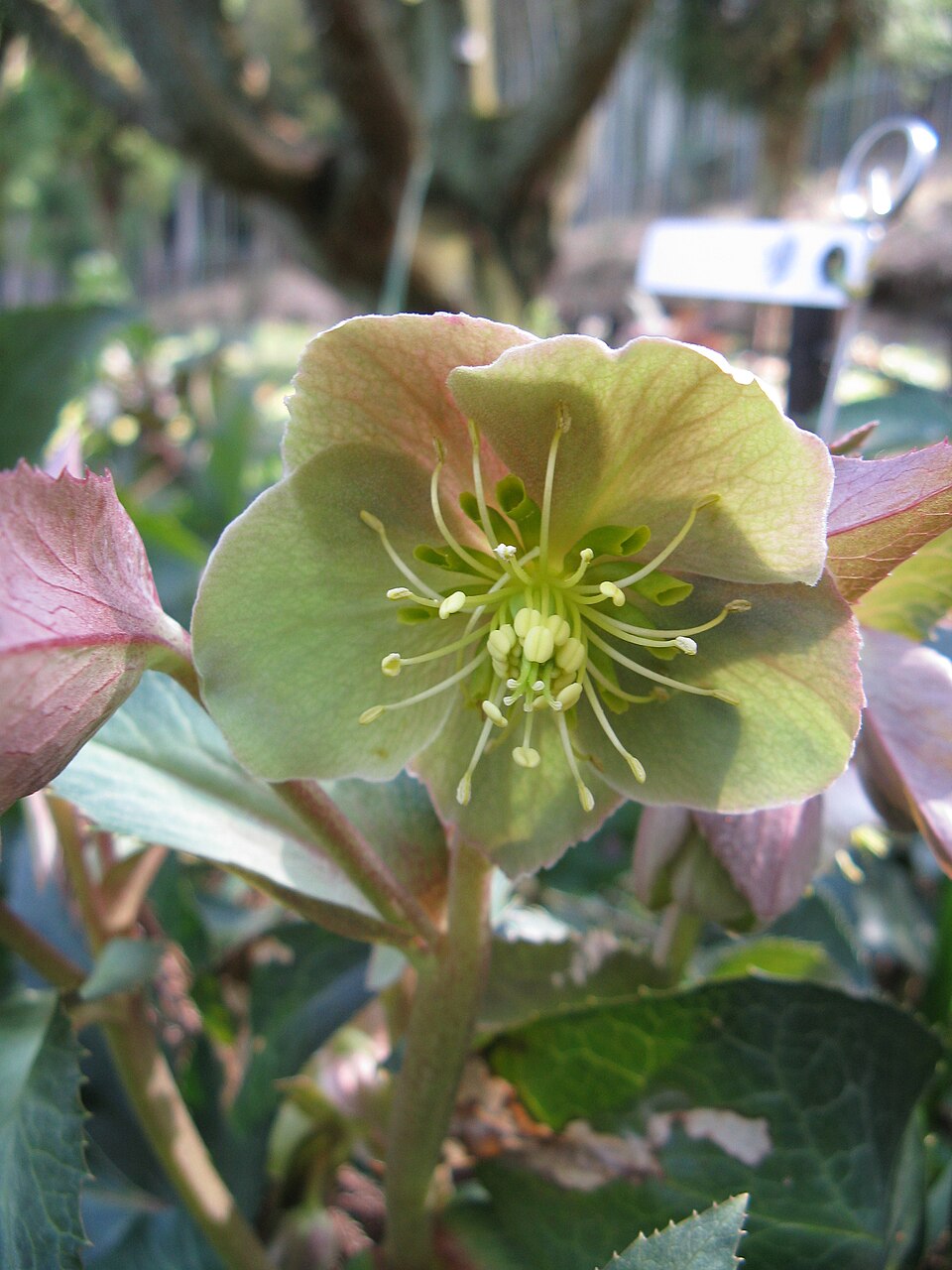
Helleborus × sternii is an upright clumping evergreen perennial in the buttercup family (Ranunculaceae) reaching 12–18 inches (30–45 cm) tall with a spread of 12–18 inches (30–45 cm). This hybrid (H. argutifolius × H. lividus) combines features of both Mediterranean-island parent species: the trifoliate leathery leaves carry a gray-green to blue-green base color with silvery veining and marbling across the upper leaf surface, and the undersides of the leaves along with the stems often flush pink to purple through the growing season. Bowl-shaped flowers 1.5–2 inches (4–5 cm) across — larger than the flowers of H. foetidus — open in shades of green suffused with pink to purple, with the depth of pink coloring varying across individual seedlings. Flowers are carried in terminal clusters from February through April across a 6–8-week bloom window. The pink flower coloring inherits from the H. lividus parent and runs variable among seed-grown populations. Named for Sir Frederick Stern of Highdown in Sussex, England. Growth rate runs moderate. Hardy to zone 6.
Native Range
Helleborus × sternii is a garden hybrid between H. argutifolius (native to the Mediterranean islands of Corsica and Sardinia) and H. lividus (native to the Balearic island of Majorca). The hybrid was named for Sir Frederick Stern of Highdown, Sussex, who developed the original cross in his Sussex garden.Suggested Uses
Grown in sheltered borders, courtyard gardens, and container culture in 3 gallon (11 L) or larger pots at 12–18 inch (30–45 cm) spacing. The silvery-veined pink-flushed foliage and the larger pink-green flowers build a more colorful visual effect than the plain green H. foetidus carries through the same bloom season. A sheltered planting position matters because the hybrid runs less hardy (zone 6) than most hellebores in cultivation. Variable expression from seed-grown plants means selected clones carry the deepest pink coloring, while seed-grown populations produce a range from subtle to strong pink intensity. All plant parts are toxic if ingested. Exposed sites, wet soils, and zones below 6 are all unsuitable given the cultural profile.How to Identify
Appearance
Size & Dimensions
Height1' - 1'6"
Width/Spread1' - 1'6"
Bloom Information
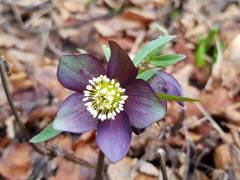
Bowl-shaped flowers 1.5–2 inches (4–5 cm) across, green suffused with pink to purple in variable intensity across individual seedlings, open in terminal clusters from February through April across a 6–8-week bloom window. The pink coloring inherits from the H. lividus parent and can run subtle or strong depending on the seedling line.
Detailed Descriptions
Flower Description
Green suffused with pink to purple in variable intensity; bowl-shaped 1.5-2 inches acrossFoliage Description
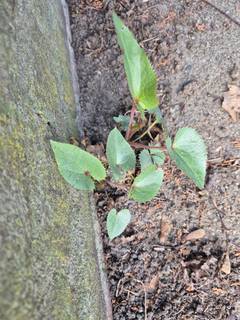
Gray-green to blue-green with silvery veining and marbling on upper surface; pink-purple flush on undersides and stems; trifoliate leatheryGrowing Conditions
Sun Requirements
Requires 2-5 hours of direct sunlight daily
• Full Sun: 6+ hours of direct sunlight
• Partial Shade: 3-6 hours of direct sunlight
• Full Shade: Less than 3 hours of direct sunlight
Care & Maintenance
Care Guide
Grows in partial shade in well-drained neutral to alkaline soil at pH 6.5–8.0, tolerating loam and chalk substrates. Hardy to zone 6 — runs less cold-hardy than H. foetidus because of the tender H. lividus parentage from the warm-winter Balearic Islands. Shelter from cold drying winds matters during the winter months in borderline zones. Sharp drainage is the key cultural requirement — the hybrid rots in wet winter soils more readily than the European-parent species. All parts of the plant are toxic if ingested. The plant sap contains irritant compounds that can cause skin contact dermatitis — contact during pruning or handling is the primary exposure route, and washing exposed skin with soap and water promptly after contact reduces irritation risk.Pruning
Old flowering stems are removed after the seeds have set and dispersed if self-seeding is the intended propagation method. Tattered foliage is removed in late winter or early spring as new growth emerges from the crown. Skin contact with cut stems and leaves carries a dermatitis risk from the irritant compounds in the plant sap, so hand protection during pruning work is the working practice across the hellebore group.Pruning Schedule
Prune: March
early spring
Container Growing
Suitable for container growing
Minimum container size: 3 gallons