Helleborus, Genus, orientalis, Species,
- Genus & species
lenten rose
Southeastern Europe — Greece, Turkey, and the Balkans; woodland and scrubby hillside habitats
Overview
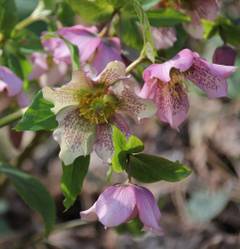
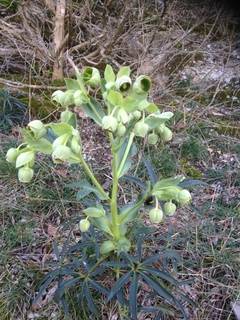
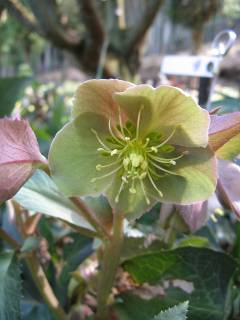
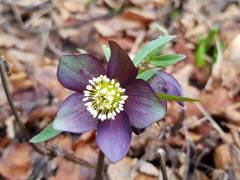
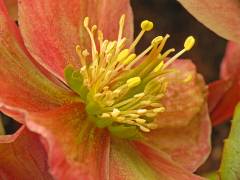
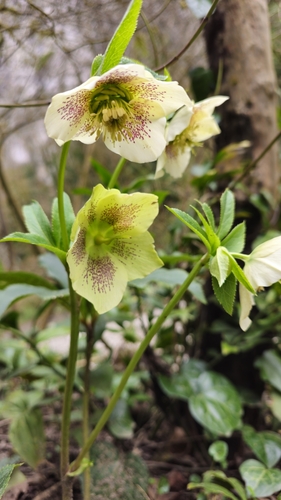
Helleborus orientalis is Lenten rose (oriental hellebore), an evergreen clumping perennial growing 15-24 inches (38-60 cm) tall and 18-24 inches (45-60 cm) wide. Nodding saucer-shaped to cup-shaped flowers 2-3 inches (5-7 cm) diameter in a wide color range: white, pink, purple, green, burgundy, slate, yellow, spotted, and bicolors depending on seedling genetics. The 'petals' are actually petaloid sepals that persist for 2-3 months on the plant. Dark green glossy leathery palmate foliage deeply divided into 7-9 leaflets, 8-16 inches (20-40 cm) wide. In the buttercup family (Ranunculaceae). Blooms in late winter to early spring (February-April) when few other perennials flower. The flowers nod (face downward) — the primary display limitation; plant on a slope or in raised beds to view the flower faces from below. All Helleborus contain protoanemonin and saponins — toxic to humans, pets, and livestock if ingested. Hellebore leaf spot (Coniothyrium hellebori) causes black spotting on foliage — remove old foliage in late winter before new growth emerges. Self-sows freely but seedlings are variable in color and may not match the parent. Deer-resistant (toxicity deters browsing). Drought-tolerant once established. Part shade to full shade. Zones 4-9. Growth rate is slow.
Native Range
Native to southeastern Europe — Greece, Turkey, and the Balkans. Found in woodland and scrubby hillside habitats.Suggested Uses
Grown in woodland gardens, shade borders, and containers of at least 5 gallons (19 L). Plant on slopes or in raised beds to display the nodding flowers. Late winter bloom when few perennials flower. Evergreen foliage. Deer-resistant. All parts toxic. Self-sows. Zones 4-9.How to Identify
Appearance
Size & Dimensions
Height1'3" - 2'
Width/Spread1'6" - 2'
Bloom Information
Detailed Descriptions
Flower Description
Variable — white, pink, purple, green, burgundy, slate, yellow, spotted, and bicolors depending on seedling genetics; nodding saucer-shaped to cup-shaped, 2-3 inches (5-7 cm) diameter; the 'petals' are actually sepals (petaloid sepals) that persist for 2-3 monthsFoliage Description
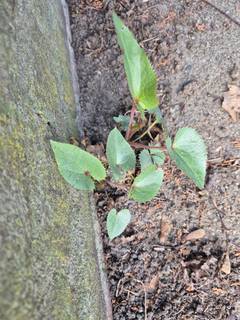
Dark green, glossy, leathery, palmate (deeply divided into 7-9 leaflets), 8-16 inches (20-40 cm) wide; the previous year's foliage persists through winter and is removed in late winter before new growth emergesGrowing Conditions
Sun Requirements
Requires 2-6 hours of direct sunlight daily
• Full Sun: 6+ hours of direct sunlight
• Partial Shade: 3-6 hours of direct sunlight
• Full Shade: Less than 3 hours of direct sunlight
Care & Maintenance
Care Guide
Part shade to full shade (2-6 hours). Well-drained humus-rich soil pH 6.0-7.5. Remove previous year's foliage in late winter (January-February) before new growth — reduces hellebore leaf spot. The flowers nod downward — plant on slopes or in raised beds for viewing. All parts toxic. Self-sows. Deer-resistant. Zones 4-9.Pruning
Remove the previous year's tattered foliage in late winter (January-February) before new flower stems emerge. This exposes the flowers and reduces hellebore leaf spot (Coniothyrium hellebori). Cut spent flower stems at the base when they brown. No other pruning needed.Pruning Schedule
Prune: January–February
winter
Container Growing
Suitable for container growing
Minimum container size: 5 gallons