Ficus, Genus, opposita, Species,
- Genus & species
sandpaper fig
Overview
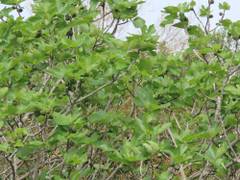
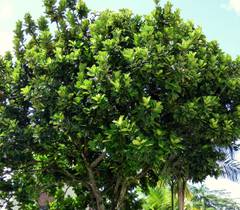
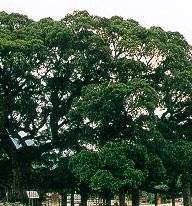
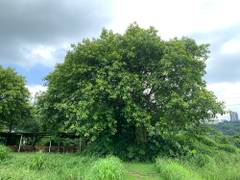
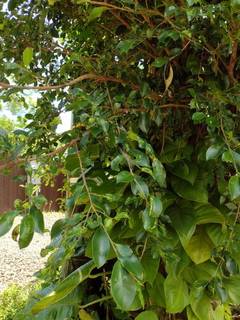
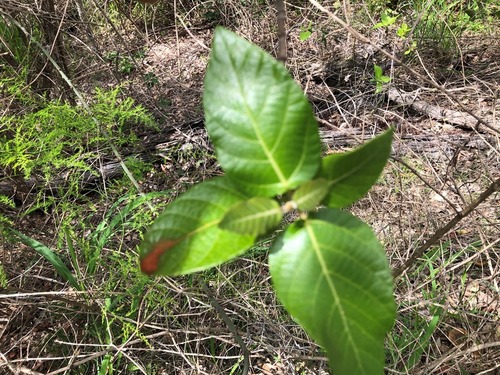
Ficus opposita is a deciduous to semi-evergreen shrub or small tree in the family Moraceae, growing 8–30 feet (2.4–9 m) tall, often multi-stemmed and spreading. The leaves are oval, 2–6 inches (5–15 cm) long, and rough on both surfaces with a sandpaper texture that has been used to smooth wood and tools. Like other figs it carries small flowers enclosed within rounded receptacles that ripen into figs about 0.4–0.6 inch (10–15 mm) across, hairy and turning purple-black when ripe. Each fig is pollinated by a specific wasp. The figs are edible and are eaten fresh. The tree is native to northern and eastern Australia, where it grows in open forest, on rocky slopes, and along watercourses. It tolerates a range of soils and seasonal dryness once established but is damaged by frost and drops its leaves in the dry season or in cold. The spreading roots can lift paving and compete with nearby plants. Birds and fruit-eating animals feed on the figs and spread the seed.
Native Range
Ficus opposita is native to northern and eastern Australia, from Western Australia across the Northern Territory and Queensland into New South Wales. It grows in open forest, monsoon thickets, on rocky slopes, and along watercourses.Suggested Uses
Grown as a shade and habitat tree in tropical and subtropical gardens and on rural properties. Planted in bush-food and native gardens for its edible figs and bird value. Used along watercourses and on rocky slopes where its roots have room away from structures.How to Identify
Appearance
Size & Dimensions
Height8' - 30'
Width/Spread8' - 25'
Bloom Information
Figs do not bloom in the usual sense; the tiny flowers are held inside the developing fruit. Fruiting occurs through the warmer months, mainly spring and summer, when the figs ripen from green to purple-black. Each fruiting depends on its specific pollinating wasp.
Detailed Descriptions
Flower Description
green to purple-black (enclosed figs)Foliage Description
greenGrowing Conditions
Sun Requirements
Requires 5-9 hours of direct sunlight daily
• Full Sun: 6+ hours of direct sunlight
• Partial Shade: 3-6 hours of direct sunlight
• Full Shade: Less than 3 hours of direct sunlight
Care & Maintenance
Care Guide
Grow Ficus opposita in full sun to part shade in most well-drained soils, with room for a spreading shrub or small tree. It tolerates seasonal dryness once established but grows faster with water through dry spells. It is damaged by frost and suits frost-free to light-frost climates. The spreading roots are kept away from paving, pipes, and walls. It drops its leaves in the dry season or in cold weather. It grows in soils from sandy to clay loam with reasonable drainage.Pruning
Prune Ficus opposita to shape the canopy and control its size, which it tolerates well. Remove low branches to train it as a small tree, or cut it back to keep it shrubby. It reshoots readily after pruning.Pruning Schedule
Prune: July–August
winterearly spring