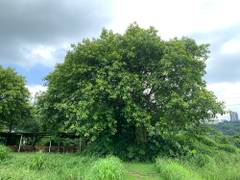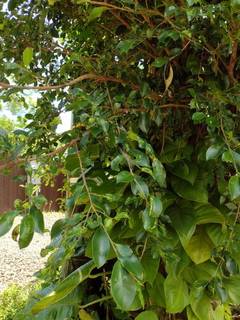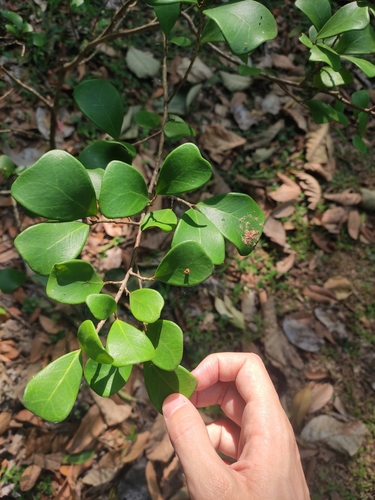
Ficus, Genus, triangularis, Species,
- Genus & species
variegated Ficus triangularis
Western and central tropical Africa (Cameroon, Nigeria, DR Congo); subtropical and tropical lowland forest
Overview
Ficus triangularis is an evergreen tree from tropical Africa (currently classified as Ficus natalensis ssp. leprieurii), grown indoors as a small specimen tree or shrub. The plant grows 30–60 feet (9–18 m) in tropical native range and 36–60 inches (90–150 cm) under indoor culture. Leaves are 1–2 inches (2.5–5 cm) long, distinctly triangular to wedge-shaped (hence the common name), with the broadest part toward the leaf tip. The variegated form most commonly traded ('Variegata') carries irregular cream-yellow margins and patches on the dark-green leaves. Stems are slender and develop a moderately weeping habit at maturity. The latex sap exuded from cut stems and leaves contains ficin and is toxic to dogs, cats, and humans if ingested. Skin contact with the latex causes contact dermatitis in sensitive individuals. Indoor plants rarely flower or fruit; outdoor mature trees in tropical zones 10–12 produce small green fig syconia 0.3–0.5 inch (8–12 mm) that ripen to red. Cold-tender: leaf damage occurs below 50°F (10°C) and tree death below 32°F (0°C). Variegated forms grow more slowly than solid-green stock — 6–12 inches (15–30 cm) per year indoors with adequate light, against 12–18 inches (30–45 cm) for non-variegated material. Common indoor pests include scale, mealybug, and spider mite.
Native Range
Native to subtropical and tropical lowland forests of western and central tropical Africa, including Cameroon, Nigeria, and the Democratic Republic of the Congo. Cultivated globally as a small indoor specimen tree, with the variegated 'Variegata' form propagated through tissue culture for the houseplant trade.Suggested Uses
Grown as a small indoor specimen tree on bright windowsills or desktops in temperate climates and as a small landscape tree in tropical zones 10–12. Container culture in 3–7 gallon (12–28 liter) pots with well-drained potting mix supports the typical indoor mature size. Used as a bonsai subject because of the small leaves and tolerance for tip pruning and root pruning.How to Identify
Appearance
Size & Dimensions
Height3' - 5'
Width/Spread1' - 3'
Bloom Information
Indoor plants rarely flower. Outdoor mature trees in tropical zones 10–12 produce small green fig syconia 0.3–0.5 inch (8–12 mm) sporadically through the year, ripening to red over 3–5 weeks. Pollination by host-specific fig wasps is required for fertile seeds; the wasps are absent outside tropical Africa, so cultivated trees outside the native range produce sterile fruit only.
Detailed Descriptions
Foliage Description
Dark green with cream-yellow variegation; triangular 1-2 inches (2.5-5 cm) with broadest part at tipGrowing Conditions
Sun Requirements
Requires 4-6 hours of direct sunlight daily
• Full Sun: 6+ hours of direct sunlight
• Partial Shade: 3-6 hours of direct sunlight
• Full Shade: Less than 3 hours of direct sunlight
Care & Maintenance
Care Guide
Grows in bright indirect light at 60–80°F (16–27°C). Direct midday summer sun scorches indoor leaves, particularly the cream-yellow variegated portions, while light below 200 foot-candles (2,150 lux) reduces growth to a near halt. Watering occurs when the top 1–2 inches (2.5–5 cm) of potting mix have dried — typically every 7–10 days in active growth and every 14–21 days in winter. Air humidity 40–60% reduces leaf-tip browning. Variegated stock reverts to all-green growth on stressed or low-light plants; reverting shoots are removed at the parent stem to maintain variegation. Plants are re-potted every 2–3 years into a container 2 inches (5 cm) larger than the root ball.Pruning
Pruning is performed in spring at the start of active growth. Stems are cut to maintain height and shape; cuts above a leaf node trigger branching from dormant buds within 4–8 weeks. Each cut releases white latex sap, which dries within 1–2 hours and seals naturally. Tip cuttings of 4–6 inches (10–15 cm) root in moist potting mix or water within 6–10 weeks.Pruning Schedule
Prune: March–April
spring
Container Growing
Suitable for container growing
Minimum container size: 3 gallons