Ficus, Genus, carica, Species, 'Brown Turkey', Cultivar,
- Genus & species
- Cultivar
brown turkey fig
Eastern Mediterranean and southwest Asia
Overview
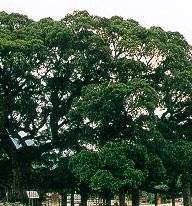
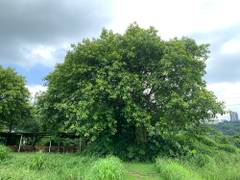
Ficus carica 'Brown Turkey' is a full-sized landscape fig reaching 120-240 inches (300-600 cm) tall and 120-180 inches (300-450 cm) wide at maturity. Brown-purple fruit 2-3 inches (5-7.5 cm) ripen with sweet pink-amber flesh; sugar content is moderately high (Brix 18-22). Self-fertile, requiring no pollinator wasp (Blastophaga psenes) and no second tree, in contrast to Smyrna-type figs. Two crops are possible per season in zones 8-10: a breba crop on previous-season wood ripening late June-July, and a main crop on current-season wood ripening August-October; in zones 7 and colder, only the main crop typically completes. Hardy to zone 7 (10°F / -12°C), with above-ground wood suffering tip dieback in severe winters and regrowing from lower buds. Compared to F. carica 'Chicago Hardy' (zone 5, smaller fruit) and F. carica 'Little Miss Figgy' (zone 7, container-scale at 48 inches / 120 cm), 'Brown Turkey' is the full-sized landscape form. Large palmately lobed deciduous leaves 6-10 inches (15-25 cm) form a dense summer canopy. Latex sap on cut stems and unripe fruit causes phytophotodermatitis: contact combined with sunlight produces blistering burns within 24 hours. Root-knot nematodes (Meloidogyne) and fig rust (Cerotelium fici) develop in warm humid zones. Hardy in USDA zones 7-10. Full sun (6+ hours). Fruit and ripe latex are non-toxic when ingested.
Native Range
Ficus carica is native to the eastern Mediterranean and southwest Asia, occurring on rocky slopes and stream banks from Iran and Turkey through Greece and Italy. 'Brown Turkey' is an English garden selection in cultivation since the 18th century, distinct from but commonly conflated with the American 'Texas Everbearing' selection.Suggested Uses
Grown as an edible landscape tree in zones 7-10, spaced 120-180 inches (300-450 cm) from structures and other large plants. Used in home orchards, kitchen gardens, and as a shade tree with edible fruit. Container culture in 25+ gallon (95+ liter) pots with annual root pruning is reliable for 10-15 years before tree size exceeds container capacity. The full-sized habit yields 30-60 lbs (14-27 kg) of fruit per mature tree per year.How to Identify
Appearance
Size & Dimensions
Height10' - 20'
Width/Spread10' - 15'
Bloom Information
Flowers are enclosed inside the developing syconium (the immature fig). The breba (early) crop sets on previous-season wood and ripens late June through July; the main crop sets on current-season wood and ripens August through October. Both crops complete in zones 8-10; in zone 7 only the main crop typically reaches maturity before frost.
Detailed Descriptions
Flower Description
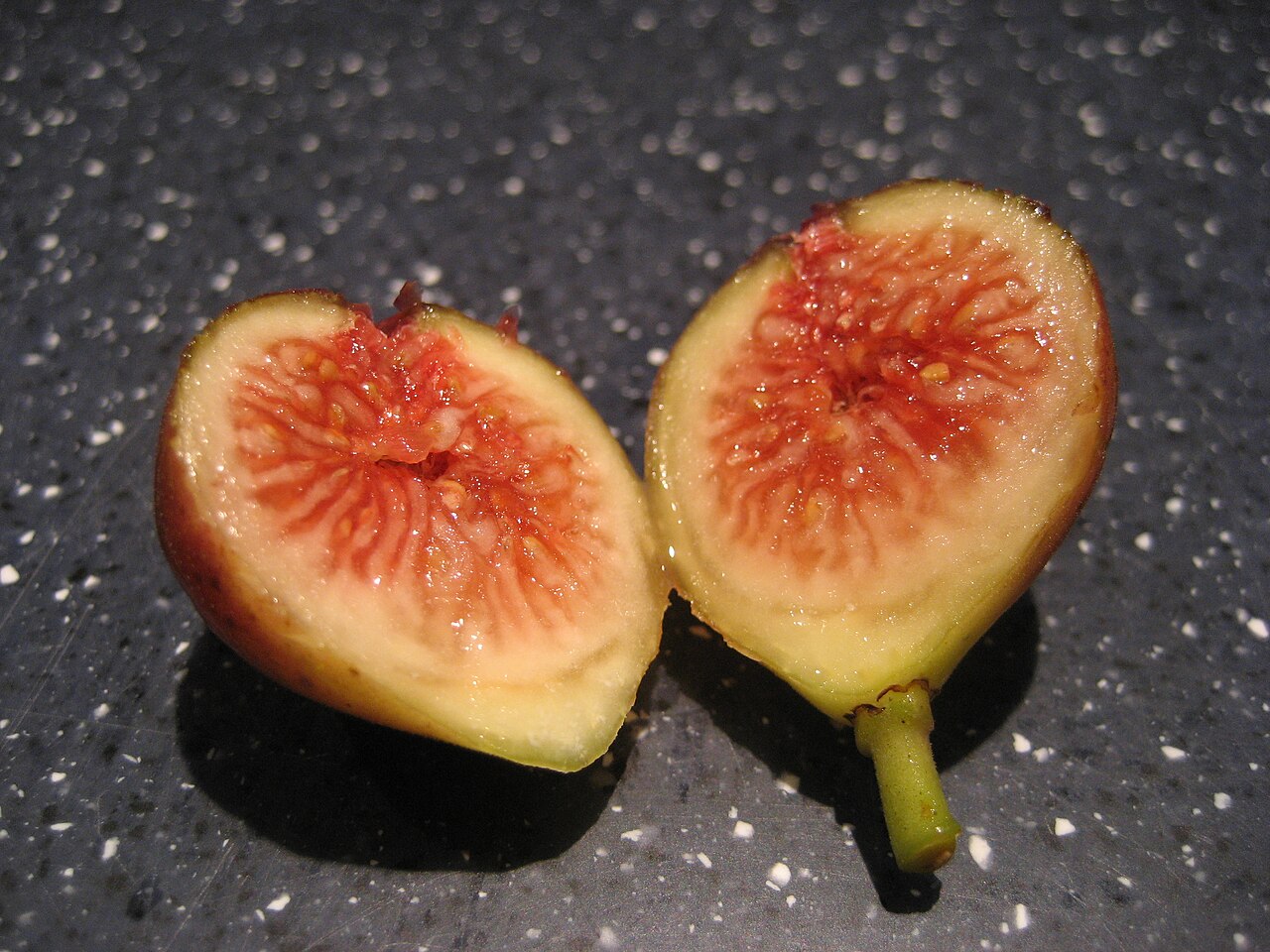
Hidden inside the developing fig (syconium)Foliage Description
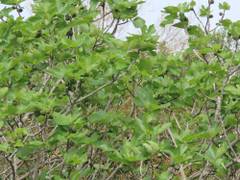
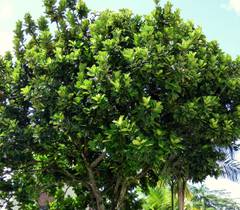
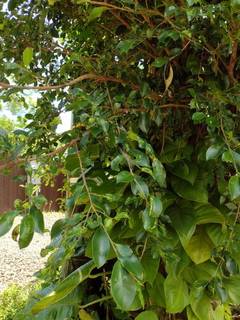
Dark green, large, palmately 3-5 lobedGrowing Conditions
Sun Requirements
Requires 6-12 hours of direct sunlight daily
• Full Sun: 6+ hours of direct sunlight
• Partial Shade: 3-6 hours of direct sunlight
• Full Shade: Less than 3 hours of direct sunlight
Care & Maintenance
Care Guide
Full sun (6+ hours) supports fruit set and ripening; partial shade reduces yield. Well-draining soil with pH 6.0-6.5 supports steady fruit production; alkaline soils cause yellowing leaves. Established trees tolerate drought after 2-3 years but produce smaller fruit and may drop young figs in extended dry periods. In zone 7 the trunk and major branches are insulated over winter by piling mulch 12-18 inches (30-45 cm) deep around the base; even with insulation, tip dieback is common after temperatures below 10°F (-12°C). Root-knot nematodes (Meloidogyne) cause stunting and yellowing in warm sandy soils, with no chemical home cure available. Fig rust (Cerotelium fici) develops in humid conditions and causes premature defoliation in late summer.Pruning
Pruning in late winter to early spring before bud break removes dead, crossing, and inward-growing branches. Some 1-year wood is retained because the breba crop forms on it; cutting all year-old wood eliminates the early summer crop. Heavy renovation pruning every 5-7 years controls size on full-grown trees but eliminates fruit for one season. Sap latex from cut stems on skin combined with sunlight causes phytophotodermatitis.Pruning Schedule
Prune: February–March
winterearly spring
Container Growing
Suitable for container growing
Minimum container size: 25 gallons