Ficus, Genus, coronata, Species,
- Genus & species
creek sandpaper fig
Overview
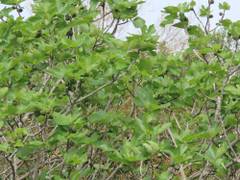
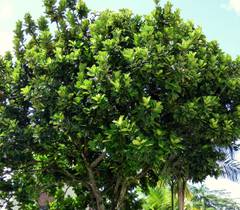
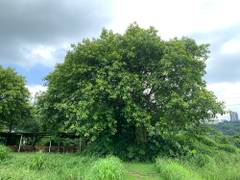
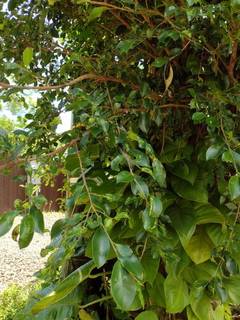
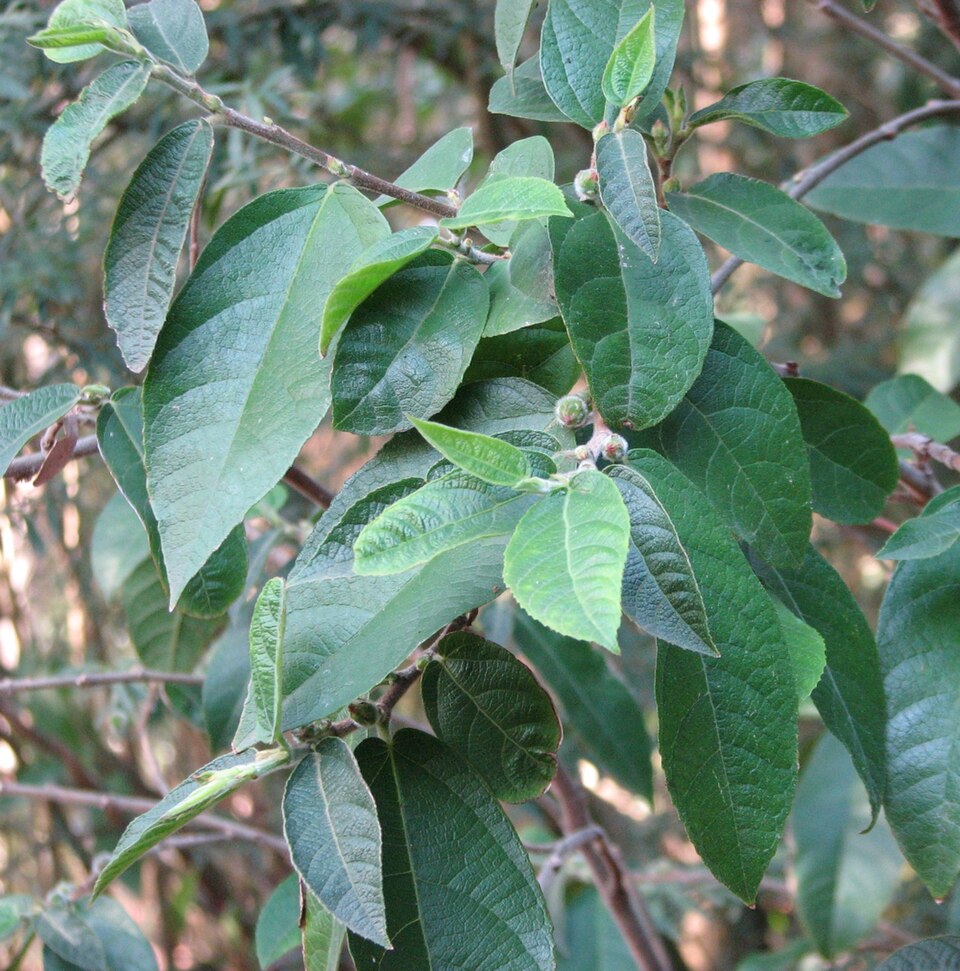
Ficus coronata is a small evergreen fig native to eastern Australia, where it grows along creeks, rivers, and rainforest margins. It forms a shrub or small tree usually 16-33 feet (5-10 m) tall, occasionally reaching 40 feet (12 m), with a spreading crown and grey bark. The leaves are oval to elliptic, 2-8 inches (5-20 cm) long, dark green and rough to the touch on both surfaces, with the underside paler and hairy. The sandpaper texture of the leaves was used by Aboriginal people to smooth wood and tools. As in all figs, the flowers are hidden inside the developing fruit and are pollinated by a host-specific fig wasp. The figs are borne singly or in pairs along the stems, about 0.6-1 inch (1.5-2.5 cm) across, covered in short hairs, and ripen from green through red to dark purple-black. The ripe fruit is edible and faintly sweet, and it draws birds and fruit bats. The milky sap can irritate skin and eyes, and the plant is frost-sensitive, which limits its use to mild, frost-free climates. It grows quickly where soil moisture is reliable but sheds some leaves in dry spells.
Native Range
Native to eastern Australia, from Queensland through New South Wales to far eastern Victoria, where it grows along watercourses, in gullies, and on rainforest margins.Suggested Uses
Ficus coronata is used as a shade tree and screening plant in larger gardens, parks, and along watercourses in frost-free regions. It is planted in bush regeneration and streambank stabilisation, and its fruit feeds native birds and mammals. The rough leaves were traditionally used as a natural abrasive.How to Identify
Appearance
Size & Dimensions
Height16' - 40'
Width/Spread16' - 33'
Bloom Information
Figs and their enclosed flowers can form through much of the year, with the heaviest crop in summer and autumn. Each fig holds many tiny flowers pollinated by a host-specific wasp. Open flowering is absent because the flowers stay enclosed within the fruit.
Detailed Descriptions
Foliage Description
Dark green, rough-texturedGrowing Conditions
Sun Requirements
Requires 4-8 hours of direct sunlight daily
• Full Sun: 6+ hours of direct sunlight
• Partial Shade: 3-6 hours of direct sunlight
• Full Shade: Less than 3 hours of direct sunlight