Image 1 of 2
1 / 2
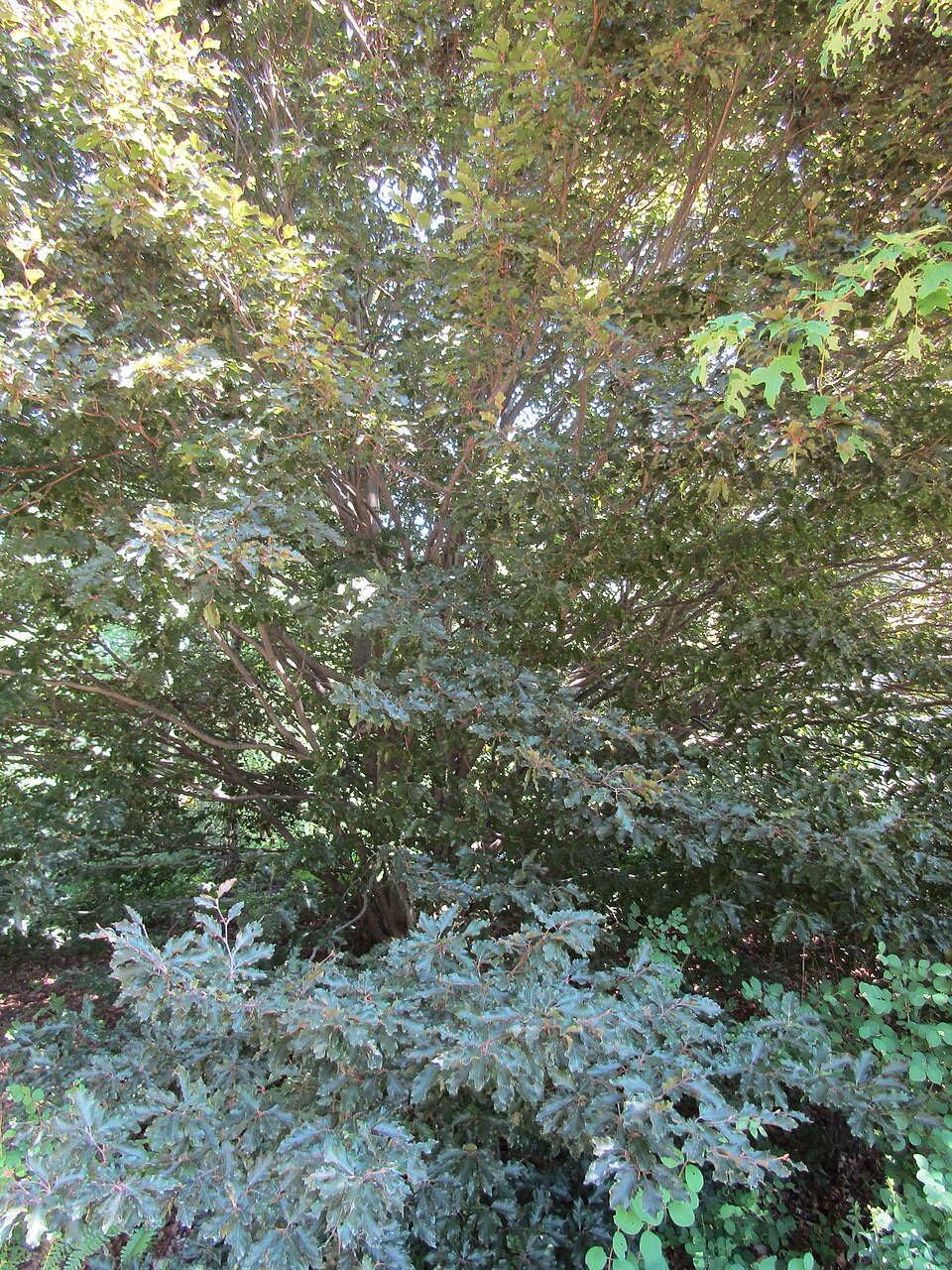
© Leonora (Ellie) Enking from East Preston, United Kingdom, some rights reserved (CC-BY-SA) · Wikimedia Commons
Fagus, Genus, sylvatica, Species, 'Rohanii', Cultivar,
- Genus & species
- Cultivar
rohan purple beech
Species native to Europe (southern Scandinavia to Sicily, Atlantic to Caucasus); cultivar discovered around 1894 at the Rohan castle estate in Sychrov, Czech Republic, as a hybrid seedling between a purple beech and a fern-leaved beech
Overview
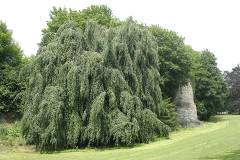
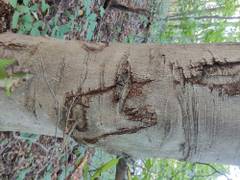
Fagus sylvatica 'Rohanii' is a medium to large upright to broadly pyramidal deciduous tree in the beech family (Fagaceae) reaching 30–40 feet (9–12 m) tall with a spread of 20–30 feet (6–9 m). This cultivar combines deep purple foliage with deeply cut oak-like leaf margins — the one beech in cultivation that carries both purple color and dissected leaf shape on the same tree. Leaves are elliptic 2–4 inches (5–10 cm) long, with deeply lobed to pinnately cut margins that resemble an oak leaf, deep purple-red as they emerge in spring maturing to dark bronze-purple through summer. The purple-color-and-cut-leaf combination produces a canopy texture and color that separates this cultivar from every other purple or cut-leaf beech in the trade. Bark is smooth silvery-gray. Growth rate is slow at 6–10 inches (15–25 cm) per year. The cultivar runs slower-growing and somewhat smaller at maturity than the standard purple beech, which fits mid-sized landscape use where the full-scale species is too large. Hardy to zone 4.
Native Range
Fagus sylvatica is native to Europe, from southern Scandinavia south to Sicily and east to the Caucasus. 'Rohanii' originated at the Rohan castle estate in Sychrov, Czech Republic, where it was discovered around 1894 as a hybrid seedling between a purple beech and a fern-leaved beech selection.Suggested Uses
Grown as a specimen tree in settings where both purple foliage color and textural interest are wanted from the same tree. The oak-like leaf shape produces a more textured canopy than uniformly purple beeches carry, which separates this cultivar functionally from the straight purple selections. The tree needs a site that can accommodate 30–40 feet of height at maturity. Functions as a specimen anchor in large gardens and park plantings where the canopy can develop fully. The cultivar merges the interest of 'Aspleniifolia' (cut leaves) with the color of 'Purple Fountain' (purple foliage) on a single tree, which gives the gardener both features without needing to plant two trees. Small gardens, shaded positions, compacted soils, and hot dry climates without supplemental summer water are not suitable given the mature scale and cultural preferences.How to Identify
Appearance
Size & Dimensions
Height30' - 40'
Width/Spread20' - 30'
Bloom Information
Inconspicuous flowers open in April–May: male catkins and small female clusters. Beechnuts in prickly husks ripen in fall. Flowering is not the ornamental feature of the cultivar — the purple cut foliage carries the visual value across the year.
Detailed Descriptions
Foliage Description
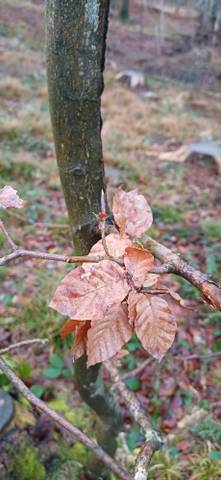
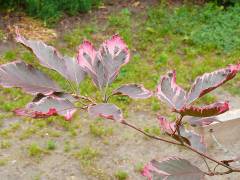
Deep purple-red to dark bronze-purple; deeply lobed oak-like margins; copper-brown fall; elliptic 2-4 inches longGrowing Conditions
Sun Requirements
Requires 6-10 hours of direct sunlight daily
• Full Sun: 6+ hours of direct sunlight
• Partial Shade: 3-6 hours of direct sunlight
• Full Shade: Less than 3 hours of direct sunlight
Care & Maintenance
Care Guide
Grows in full sun in moist well-drained acidic to neutral soil at pH 5.0–7.5, tolerating loam, sand, and chalk. Full-sun positions produce the deepest purple foliage coloring; partial shade yields greener tones as chlorophyll development overrides the anthocyanin pigmentation. Hardy to zone 4. Growth runs slow across the mature lifespan. Compacted soil and poor drainage both cause decline. The dissected leaf margins can show minor scorch in hot dry growing conditions, and consistent seasonal moisture through the summer reduces the scorch risk while supporting the full color development.Pruning
Pruning is done in late summer to minimize the bleeding that heavy spring sap flow can produce. Minimal pruning is needed once the tree is established — the naturally pyramidal to spreading form develops without intervention. Dead, damaged, or crossing branches are removed as they develop.Pruning Schedule
Prune: August
summer