Overview
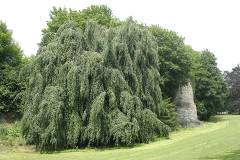
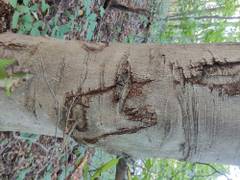
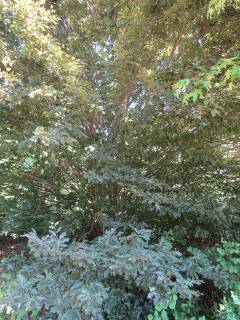
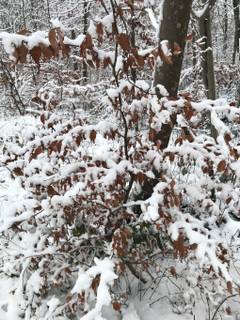
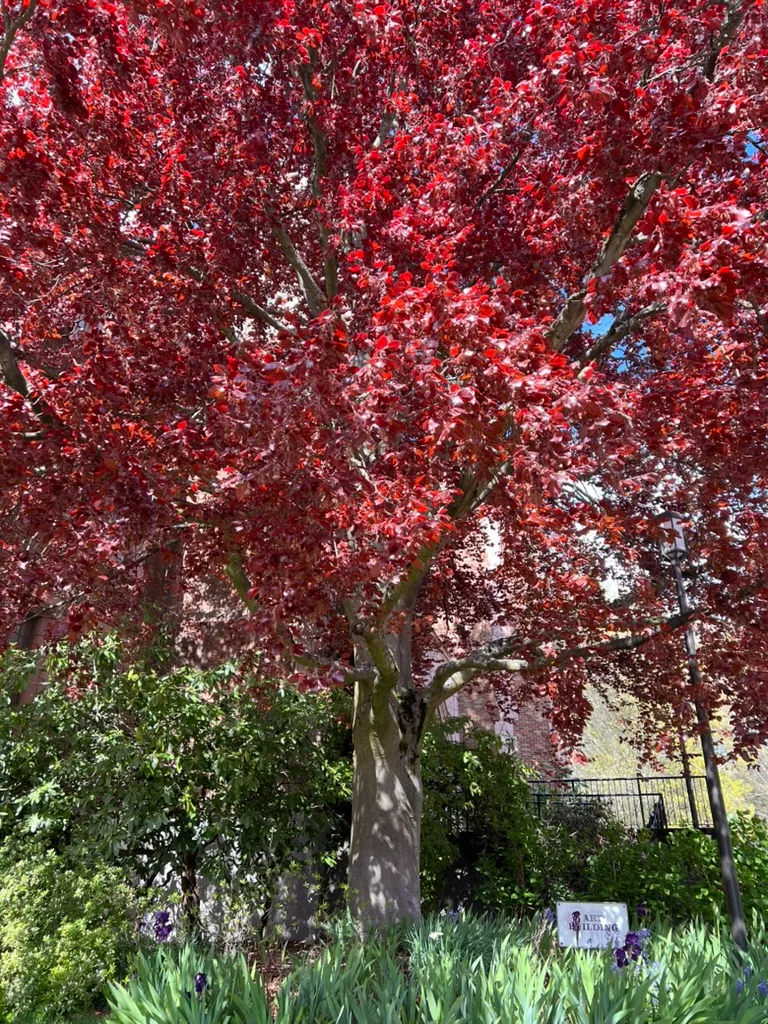
Fagus sylvatica var. atropurpurea is purple beech (copper beech), a large deciduous tree growing 50-80 feet (15-24 m) tall and 40-60 feet (12-18 m) wide with a broad spreading dense canopy and smooth gray bark. Copper-crimson emerging foliage in spring deepens to purple-burgundy in summer. Turns copper-bronze in fall. Marcescent — dead bronze leaves persist through winter. Full sun required for purple foliage color — shade causes reversion toward green. In Fagaceae. Var. atropurpurea is a collective name for purple-leaved forms of F. sylvatica — arises naturally in wild populations. Seedling-grown trees vary in purple intensity. Named cultivars with consistent purple include 'Riversii' (darkest) and 'Dawyck Purple' (columnar). Same massive size as the green species — the primary limitation for residential properties. Shallow dense root system — heavy shade and shallow roots prevent most plants from growing underneath. Does not tolerate wet or compacted soil. Beech bark disease in northeastern North America. Not drought-tolerant. Non-toxic. Zones 4-8. Full sun. Growth rate is slow.
Native Range
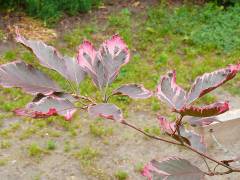
Selected purple-leaved forms of F. sylvatica. The species is native to central and western Europe. Var. atropurpurea arises naturally in wild populations at low frequency.Suggested Uses
Grown as a specimen tree in parks and large estates (40-60 feet / 12-18 m lateral space required), and as formal purple hedges (marcescent). 'Dawyck Purple' for narrow columnar sites. Not for small lots. Non-toxic. Zones 4-8.How to Identify
Appearance
Size & Dimensions
Height50' - 80'
Width/Spread40' - 60'
Bloom Information
Mid spring (April-May). Inconspicuous greenish flowers — male in pendulous clusters, female in small pairs. 2 weeks. Wind-pollinated. Beechnuts in spiny husks ripen October.
Detailed Descriptions
Foliage Description
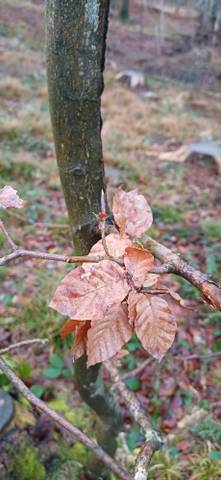
Copper-crimson in spring, deepening to purple-burgundy in summer; turns copper-bronze in fall; marcescent — dead bronze leaves persist through winterGrowing Conditions
Sun Requirements
Requires 6-12 hours of direct sunlight daily
• Full Sun: 6+ hours of direct sunlight
• Partial Shade: 3-6 hours of direct sunlight
• Full Shade: Less than 3 hours of direct sunlight
Care & Maintenance
Care Guide
Full sun (6+ hours — required for purple foliage color). Well-drained soil pH 5.5-7.5. Does not tolerate wet or compacted soil. Shallow dense root system. Not drought-tolerant. Beech bark disease in northeastern North America. Requires a very large site (40-60 feet / 12-18 m spread). Prune in late summer. Non-toxic. Zones 4-8.Pruning
Prune in late summer (August-September). Tolerates shearing for formal hedges — the marcescent purple-bronze winter foliage creates a year-round screen. For tree form, develop a single central leader. Remove dead or crossing branches. Do not prune in spring (sap bleeding).Pruning Schedule
Prune: August–September
summer