Image 1 of 23
1 / 23
Plant Reference
Fagus, Genus, sylvatica, Species,
- Genus & species
European beech
Central and western Europe from southern England east to Ukraine and north from the Mediterranean to southern Scandinavia; a dominant canopy tree in many European broadleaf woodlands
Overview
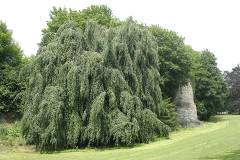
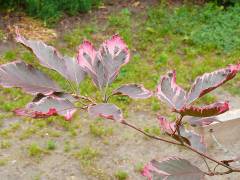
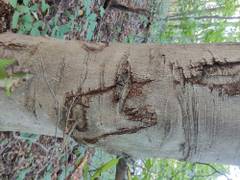
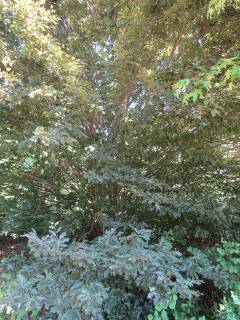
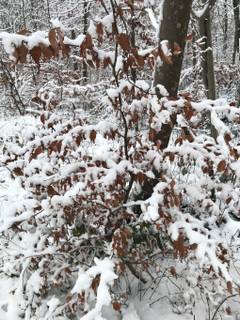
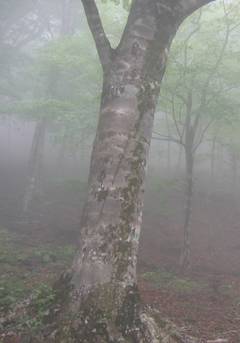
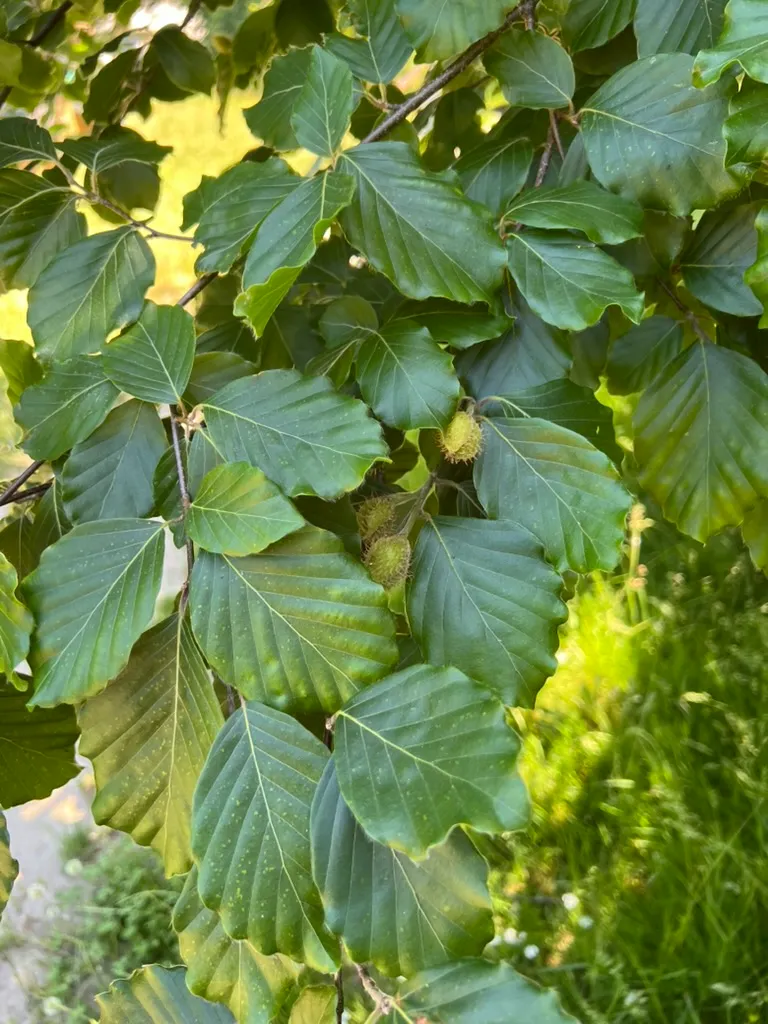
Fagus sylvatica is a large deciduous tree in the family Fagaceae native to central and western Europe, reaching 50-80 feet (15-24 m) tall and 40-60 feet (12-18 m) wide with a broad spreading dense canopy and smooth pale gray bark that stays smooth throughout the life of the tree rather than developing the furrowed texture typical of other mature forest trees. Leaves are ovate, 2-4 inches (5-10 cm) long, with wavy (undulate) margins and glossy dark green upper surfaces, and turn golden-bronze to copper in fall. Foliage is marcescent on young trees and on hedged specimens — dead leaves persist through winter and drop when new spring growth emerges, which gives Fagus hedges a year-round bronze screen even after leaf color fades. Inconspicuous greenish flowers open in April and May with male flowers in pendulous clusters and female flowers in small erect pairs; the species is wind-pollinated. Triangular beechnuts 0.5-0.75 inch (1.3-2 cm) long in spiny husks ripen in October and are edible. The mature size at 50-80 feet (15-24 m) tall and 40-60 feet (12-18 m) wide is the main constraint for residential properties because the shallow dense root system and heavy shade together prevent most plants from establishing beneath the canopy. The species does not tolerate wet or compacted soil and is sensitive to road salt. Beech bark disease (a complex of the scale insect Cryptococcus fagisuga and Neonectria canker fungi) kills large trees in northeastern North America where the pathogen complex is now established. Named cultivars selected for color, form, or leaf shape include 'Purpurea' (purple foliage), 'Pendula' (weeping habit), 'Dawyck' (narrow columnar), and 'Asplenifolia' (deeply cut fern-like leaves).
Native Range
Fagus sylvatica is native to central and western Europe, with a range extending from southern England east to Ukraine and from the Mediterranean north to southern Scandinavia. The species is a dominant canopy tree in many European broadleaf woodlands and forms pure beech forests on well-drained soils in Germany, France, the Carpathians, and parts of the British Isles. Its native range excludes hot summer continental interiors and very wet lowland sites, which mirrors the climatic requirements of the species in cultivation.Suggested Uses
Planted as a specimen tree in parks, estates, and large residential properties where 40-60 feet (12-18 m) of horizontal clearance is available for the mature canopy, and as formal clipped hedges where the marcescent winter foliage carries a bronze screen from fall through early spring. Hedges are established from bare-root whips at 12-18 inch (30-45 cm) spacing and clipped annually in late summer to maintain the desired shape. Named cultivars selected for smaller stature or different form — 'Dawyck' for narrow columnar sites, 'Pendula' for weeping specimens, 'Purpurea' for purple foliage — are substituted on residential sites where the full species is too large. Not suited to compacted urban soils, wet or poorly drained positions, roadside plantings where road salt reaches the root zone, small residential yards without the clearance for mature spread, or positions under overhead utility lines where the 50-80 foot (15-24 m) mature height conflicts with the wires.How to Identify
Appearance
Size & Dimensions
Height50' - 80'
Width/Spread40' - 60'
Bloom Information
Inconspicuous greenish flowers open in April and May in zones 4-8, lasting approximately 1 week. Male flowers hang in pendulous clusters and female flowers appear in small erect pairs. The species is wind-pollinated and produces triangular beechnuts 0.5-0.75 inch (1.3-2 cm) long in spiny four-valved husks that ripen in October. Beechnuts are edible and were historically harvested for oil and food in Europe.
Detailed Descriptions
Foliage Description
dark green, glossy, ovate with wavy (undulate) margins, 2-4 inches (5-10 cm) long; golden-bronze to copper in fall; dead leaves are marcescent and persist on the tree through winter, especially on hedged and young specimensGrowing Conditions
Sun Requirements
Requires 4-8 hours of direct sunlight daily
• Full Sun: 6+ hours of direct sunlight
• Partial Shade: 3-6 hours of direct sunlight
• Full Shade: Less than 3 hours of direct sunlight
Care & Maintenance
Care Guide
Plant in well-drained loamy soil with a pH of 5.5-7.5 in full sun to part shade. The species does not tolerate wet, compacted, or salt-affected soil, and roadside and coastal positions are poorly suited because of salt sensitivity. Water weekly through the first 2-3 growing seasons; established trees tolerate average garden moisture but remain more sensitive to drought than Quercus. The shallow dense root system competes strongly with lawn grass and understory plantings, and the heavy shade blocks most perennials and groundcovers from establishing beneath the canopy — mulch or bare leaf litter is the usual understory treatment on residential properties. Beech bark disease is the main disease concern in northeastern North America and no cure exists once the pathogen complex becomes established on a tree; affected trees are removed to limit spread of the scale insect vector. Pruning is done in late summer (August through September). Spring pruning causes heavy sap bleeding and is avoided.Pruning
Pruning is done in late summer (August through September) after the main growth flush has hardened off. The marcescent dead leaves on hedged specimens carry a year-round bronze winter screen, and hedge trimming in late summer retains that winter display through the following spring. On tree-form specimens a single central leader is developed through corrective pruning over the first 5-10 years after planting, and crossing or damaged branches are removed at the branch collar at any time. Spring pruning is avoided because sap bleeding is heavy at that time of year and large wounds can drain sap for weeks.Pruning Schedule
Prune: August–September
summer