Overview
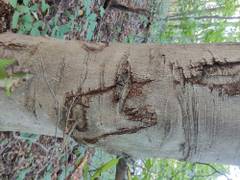
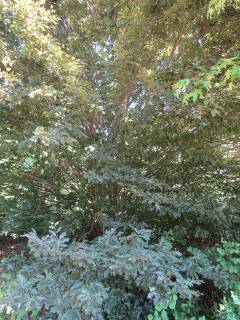
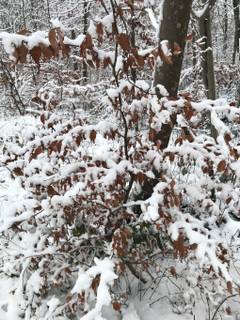
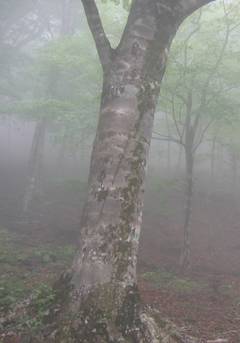
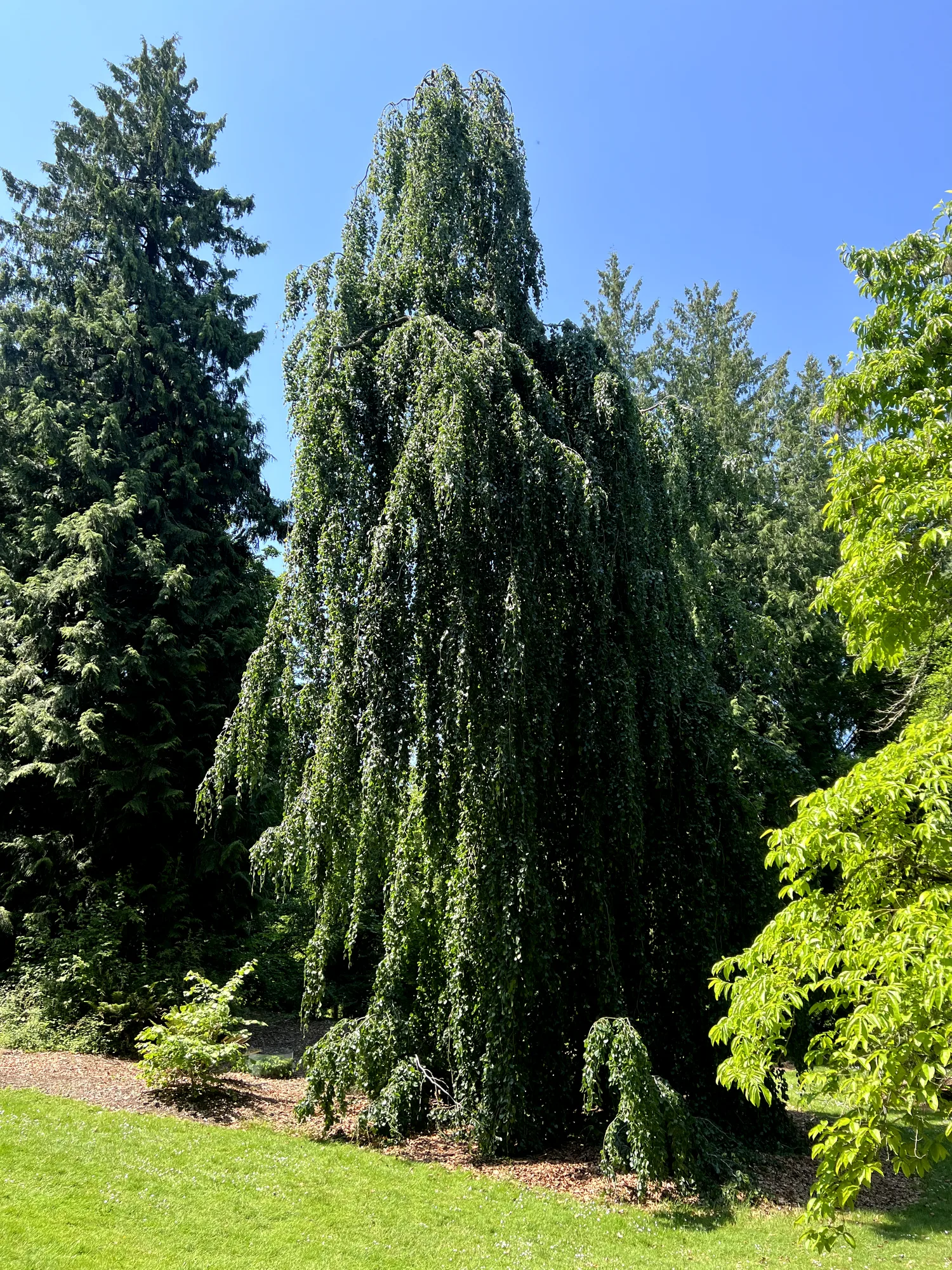
Fagus sylvatica 'Pendula' is weeping beech (weeping European beech), a deciduous tree growing 25-50 feet (7.5-15 m) tall and 30-80 feet (9-24 m) wide. Weeping branches cascade to the ground on mature specimens, forming a dense curtain that can enclose a space 60-80 feet (18-24 m) wide. Dark green glossy ovate leaves 2-4 inches (5-10 cm) with wavy undulate margins. Turns golden to bronze in fall. Marcescent — dead leaves persist through winter. Smooth gray bark. In Fagaceae. 'Pendula' is a collective name for several weeping forms of F. sylvatica — seedling-grown trees vary in weeping intensity. The massive mature spread is the primary limitation — requires a very large open site with no obstructions within 30-40 feet (9-12 m) of the trunk in all directions. The ground-reaching curtain of branches prevents mowing and planting underneath. Shallow dense root system. Does not tolerate wet or compacted soil. Beech bark disease (scale + Neonectria complex) in northeastern North America. Not drought-tolerant. Non-toxic. Zones 4-8. Full sun to partial shade. Growth rate is slow to moderate.
Native Range
Cultivar of garden origin. The species F. sylvatica is native to central and western Europe.Suggested Uses
Grown as a specimen tree in parks, large estates, and open lawns with 30-80 feet (9-24 m) of clear space. The weeping curtain creates an enclosed room underneath on mature specimens. Not for small lots. Non-toxic. Zones 4-8.How to Identify
Appearance
Size & Dimensions
Height25' - 50'
Width/Spread30' - 80'
Bloom Information
Mid spring (April-May). Inconspicuous greenish flowers — male in pendulous clusters, female in small pairs. 1 week. Wind-pollinated. Beechnuts in spiny husks ripen October.
Detailed Descriptions
Foliage Description
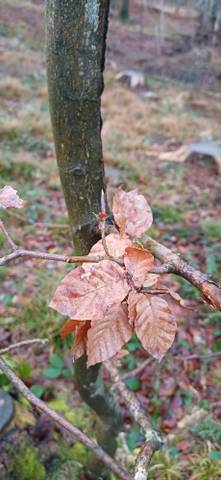
Dark green, glossy, ovate with wavy (undulate) margins, 2-4 inches (5-10 cm) long; turns golden to bronze in fall; marcescent — dead leaves persist through winterGrowing Conditions
Sun Requirements
Requires 4-8 hours of direct sunlight daily
• Full Sun: 6+ hours of direct sunlight
• Partial Shade: 3-6 hours of direct sunlight
• Full Shade: Less than 3 hours of direct sunlight
Care & Maintenance
Care Guide
Full sun to partial shade (4-8 hours). Well-drained soil pH 5.5-7.5. Does not tolerate wet or compacted soil. Shallow dense root system. Not drought-tolerant. Beech bark disease in northeastern North America. Requires a very large open site (30-80 feet / 9-24 m spread). Prune in late summer (August-September). Non-toxic. Zones 4-8.Pruning
Prune in late summer (August-September). The weeping curtain of branches is the natural form — do not remove ground-reaching branches unless clearance is needed. Remove dead or crossing branches from within the canopy. Do not prune in spring (sap bleeding).Pruning Schedule
Prune: August–September
summer