Fagus, Genus, sylvatica, Species, 'Purpurea Tricolor', Cultivar,
- Genus & species
- Cultivar
tricolor beech
Europe; cultivar of garden origin (known since mid-19th century)
Overview
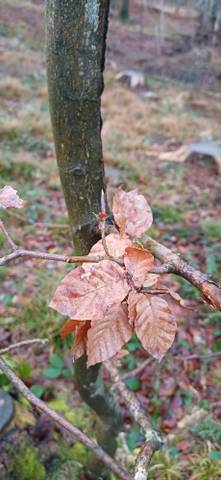
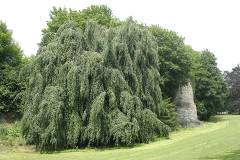
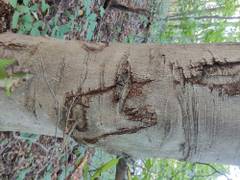
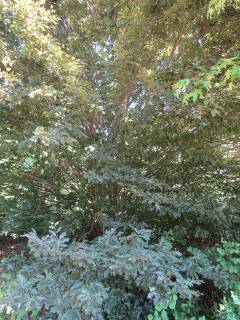
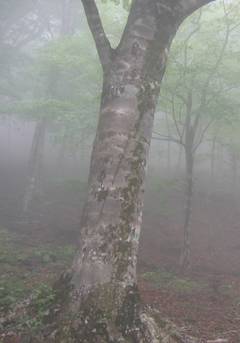
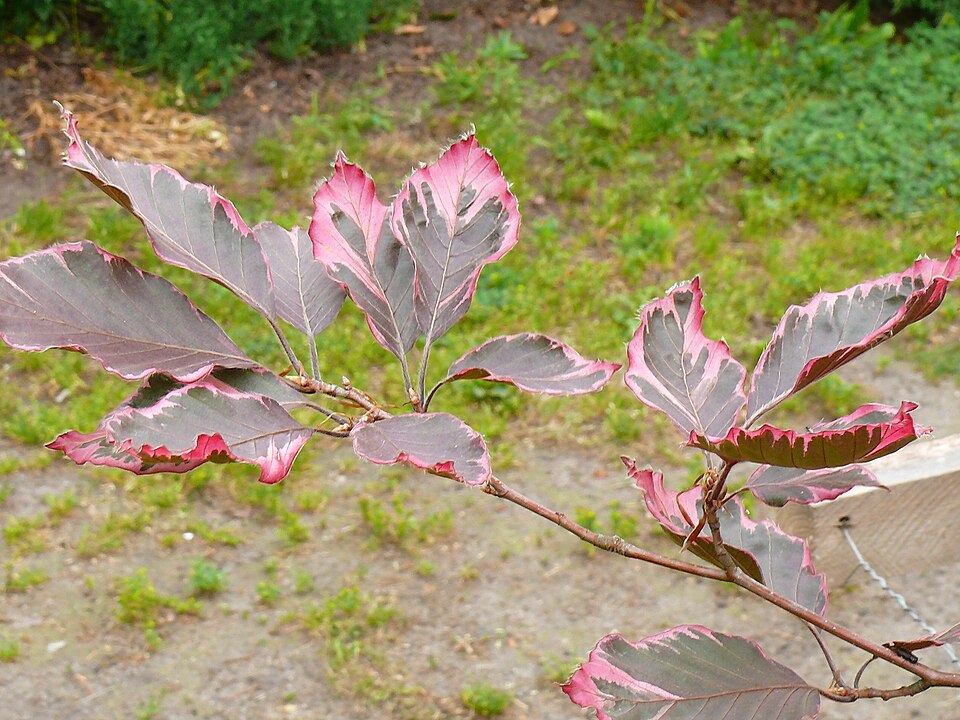
Fagus sylvatica 'Purpurea Tricolor' (syn. 'Roseomarginata') is a medium to large, upright to broadly spreading, deciduous tree reaching 25–35 feet (7.5–10.5 m) tall with a spread of 20–30 feet (6–9 m). This cultivar produces variegated foliage: leaves are purple with irregular pink to rose-pink margins that fade to cream-white as the season progresses. Leaves are elliptic, 2–4 inches (5–10 cm) long. In spring the tricolor pattern is most saturated, with deep purple centers and bright pink edges. By midsummer the pink margins fade to cream-white against the purple base, and some leaves may shift toward green-purple. Color intensity varies with light level and temperature. Bark is smooth and silvery-gray. Growth rate is slow at 6–10 inches (15–25 cm) per year, and mature size is smaller than the standard purple beech F. sylvatica 'Atropurpurea' at 50–60 feet (15–18 m). The variegated foliage may scorch in hot afternoon sun and perform poorly in compacted soils or hot dry climates.
Native Range
Fagus sylvatica is native to Europe, from southern Scandinavia south to Sicily and east to the Caucasus. 'Purpurea Tricolor' is a cultivar of garden origin, known since the mid-19th century.Suggested Uses
Used as a specimen tree where the tricolor foliage is visible at close range. Sited in partial shade or morning sun to limit leaf scorch — for example, on the east or north side of a building or beneath high canopy. The spring tricolor pattern (purple, pink, cream) fades through the season to purple with cream margins. Requires 25–35 feet (7.5–10.5 m) of vertical space and a 20–30 foot (6–9 m) footprint, so not suited to small gardens. Full afternoon sun, compacted soils, and hot dry climates cause leaf scorch and decline.How to Identify
Appearance
Size & Dimensions
Height25' - 35'
Width/Spread20' - 30'
Bloom Information
Inconspicuous yellow-green flowers appear in April–May. Small three-sided beechnuts in prickly husks ripen in fall. Flowering is not a visible feature of the tree.
Detailed Descriptions
Flower Description
Yellow-green (inconspicuous)Foliage Description
Purple with pink to cream margins (tricolor); brightest pink in spring, fading to cream by summerGrowing Conditions
Sun Requirements
Requires 3-6 hours of direct sunlight daily
• Full Sun: 6+ hours of direct sunlight
• Partial Shade: 3-6 hours of direct sunlight
• Full Shade: Less than 3 hours of direct sunlight
Care & Maintenance
Care Guide
Grows in partial shade or morning sun with afternoon shade, in moist well-drained acidic to neutral soil. Variegated foliage scorches in hot afternoon sun, so this cultivar tolerates more shade than uniformly purple beeches. Hardy to zone 4. Growth is slow, and variegation intensity varies with light and temperature. Some branches may revert to solid purple; these reverted stems grow more vigorously and are removed to preserve the variegation. Compacted soil and poor drainage cause decline.Pruning
Prune in late summer (August) after seasonal growth has hardened. Remove any branches that revert to solid purple foliage; reverted growth outpaces variegated growth and will dominate the canopy if left in place. Minimal structural pruning is otherwise needed.Pruning Schedule
Prune: August
summer