Euphorbia, Genus, palustris, Species,
- Genus & species
marsh spurge
Overview
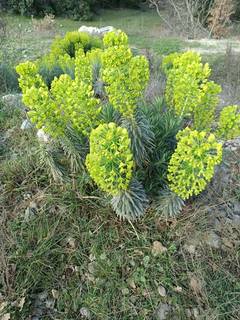
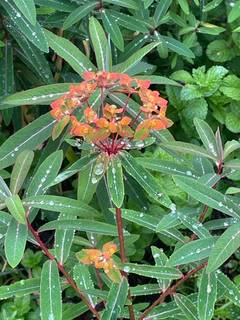
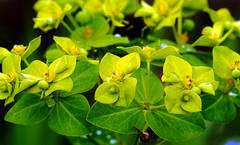
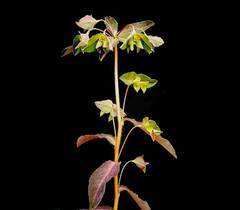
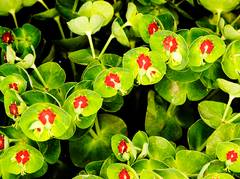
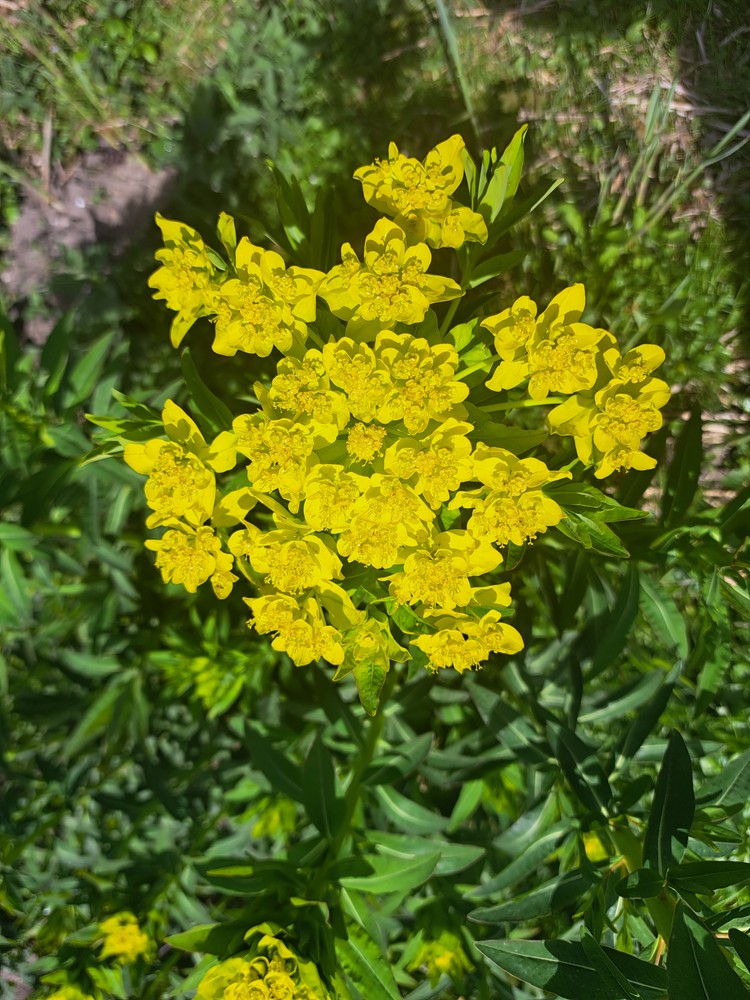
Euphorbia palustris is a clump-forming herbaceous perennial in the spurge family, growing 30-48 inches (75-120 cm) tall and wide. Upright, branching stems carry narrow, lance-shaped green leaves 2-3 inches (5-7.5 cm) long. In mid to late spring, broad, rounded heads of yellow-green bracts surround the small true flowers, each head 3-6 inches (8-15 cm) across; the bract color holds for several weeks. After flowering the stems stay leafy through summer, and the foliage turns yellow, orange, and red in autumn before dying back. The plant grows from a woody crown and forms a dense clump over a few years without running. Cut or broken stems release a milky white latex that irritates skin and eyes. Stems may flop in shade or rich, wet soil.
Native Range
Native to Europe and temperate Asia, in marshes, wet meadows, fens, and the margins of ditches and ponds. Grows in damp to wet, fertile soils in full sun to light shade from lowland to mid elevations.Suggested Uses
Planted in bog gardens, pond margins, rain gardens, and moist borders at 24-36 inch (60-90 cm) spacing. Used where the spring bract color and autumn foliage extend interest in damp ground. The irritant sap makes it less suited to plantings handled often or where children play.How to Identify
Appearance
Size & Dimensions
Height2'6" - 4'
Width/Spread2'6" - 4'
Bloom Information
The yellow-green bract display opens from April through June and holds color for 4-6 weeks. The small true flowers within the bracts are inconspicuous. A lighter second flush of bracts sometimes follows a trim after the first display.
Detailed Descriptions
Foliage Description
Green, turning yellow, orange, and red in autumnGrowing Conditions
Sun Requirements
Requires 4-10 hours of direct sunlight daily
• Full Sun: 6+ hours of direct sunlight
• Partial Shade: 3-6 hours of direct sunlight
• Full Shade: Less than 3 hours of direct sunlight
Care & Maintenance
Care Guide
Grows in full sun to light shade in moist to wet, fertile soil, including pond and stream margins, and tolerates standing water in spring. Performs poorly in dry soils, where lower leaves brown and drop. Water in dry spells to keep the soil moist. The clump expands slowly from a woody crown without spreading widely. Milky latex from cut stems irritates skin and eyes and is poisonous if swallowed. Aphids gather on new growth.Pruning
Cut flowered stems back by about one-third after the bracts fade to keep the clump dense and to prompt a second flush. Cut all stems to the base in late autumn as the foliage dies down. The cut stems release irritant latex.Pruning Schedule
Prune: June & November
summerfall
Container Growing
Suitable for container growing
Minimum container size: 5 gallons