Overview
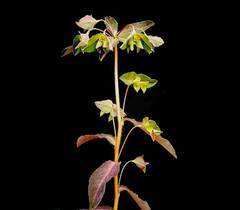
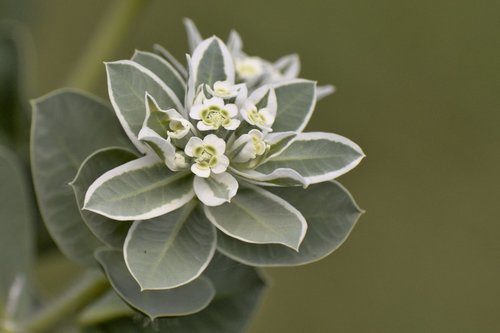
Euphorbia marginata is an upright summer annual in the spurge family, growing 1-3 feet (30-90 cm) tall. Lower leaves are plain green and oval, while the upper leaves and bracts are margined or striped with white, the feature behind its common name. The true flowers are tiny and held in cup-like cyathia, each ringed with small white petal-like appendages, clustered at the stem tips from midsummer into autumn. All parts release a milky white latex when cut. This sap contains irritant compounds that can inflame skin and eyes, and the plant is toxic to people and animals if eaten. The species is native to the central plains of North America and grows on prairies, slopes, and open disturbed ground. It tolerates heat, drought, and lean soils but reseeds freely and can spread beyond where it is sown. As an annual it completes its cycle in one season and dies after setting seed, returning the next year from self-sown seedlings.
Native Range
Euphorbia marginata is native to the central plains of North America, centered on the Great Plains from Minnesota and the Dakotas south to Texas. It has naturalized well beyond this core range across much of the United States.Suggested Uses
Grown in annual borders, cut-flower plantings, and dry sunny beds for its white-margined summer foliage. The variegated stems are used in fresh arrangements once the cut ends are sealed. It fills hot, lean sites where many annuals fail.How to Identify
Appearance
Size & Dimensions
Height1' - 3'
Width/Spread9" - 1'6"
Bloom Information
Detailed Descriptions
Foliage Description
green with white marginsGrowing Conditions
Sun Requirements
Requires 6-10 hours of direct sunlight daily
• Full Sun: 6+ hours of direct sunlight
• Partial Shade: 3-6 hours of direct sunlight
• Full Shade: Less than 3 hours of direct sunlight
Water & Climate
Water Needs
Drought Tolerance
Drought tolerant when established
Care & Maintenance
Care Guide
Grow Euphorbia marginata in full sun and well-drained soil of low to average fertility. Seed is sown directly in spring after frost, as the plant transplants poorly. It withstands heat and drought once established and tends to flop in rich or overwatered ground. The milky latex irritates skin and eyes, and cut stems weep this sap during handling and deadheading. Plants die after setting seed and return from self-sown seedlings, which can be thinned to about 12 inches (30 cm) apart. Unwanted seedlings pull easily while young.Pruning
No structural pruning is required. Stem tips can be pinched early to encourage branching, and spent growth is cut back at season end. Cut stems weep milky latex that stains and irritates skin.Container Growing
Suitable for container growing
Minimum container size: 2 gallons
Toxicity Warning
Toxic to pets and humansPlanting Guide
Planting Methods & Timing
Planting Method
direct sow
Plant Spacing
12 inches