Eucalyptus, Genus, sideroxylon, Species,
- Genus & species
red ironbark
Overview
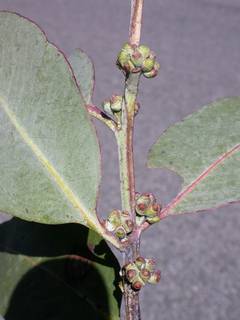
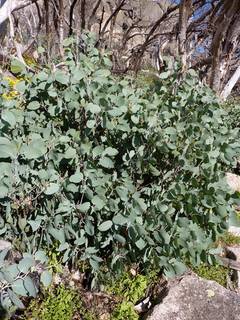
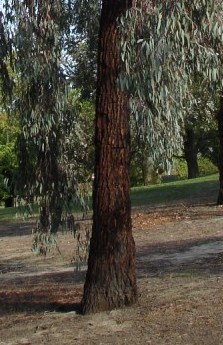
Eucalyptus sideroxylon is an evergreen tree reaching 10-25 m (33-82 ft) tall with a trunk to about 1 m (3 ft) in diameter, clothed in deeply furrowed, hard, dark grey to black ironbark that is retained to the small branches. Adult leaves are narrow lance-shaped, 7-14 cm (2.8-5.5 in) long, dull grey-green to blue-green, hanging from slender branchlets. Flowers 1.5-2 cm (0.6-0.8 in) across are borne in clusters of 3-7, ranging from white and cream to pink and deep red depending on the tree, opening mainly from autumn through spring. Woody capsules 7-12 mm (0.3-0.5 in) wide follow and persist on the branches. Growth is moderate, about 0.5-1 m (1.5-3 ft) per year when young, and trees are long-lived. The species tolerates poor, shallow, and clay soils and extended drought once established, but grows slowly on very dry sites and is sensitive to severe frost when young. The dark bark and pendulous grey foliage contrast with the seasonal flower colour.
Native Range
Native to inland eastern Australia, from central Queensland through New South Wales to Victoria, in dry open forest and woodland on poor, often shallow or stony soils on slopes and ridges.Suggested Uses
Grown as a street, park, and paddock tree and in dryland revegetation, spaced 6-10 m (20-33 ft) apart. The dense, dark red timber is used for heavy construction, railway sleepers, and fence posts. The seasonal flowers draw honeyeaters, and the tree is grown in bird-attracting plantings.How to Identify
Appearance
Size & Dimensions
Height33' - 82'
Width/Spread20' - 40'
Bloom Information
Flowers mainly from autumn through spring, May to October in many districts, with the peak varying by region and season. Individual trees flower in white, cream, pink, or red, and the display lasts 6-10 weeks. Flowering draws nectar-feeding birds and insects.
Detailed Descriptions
Flower Description
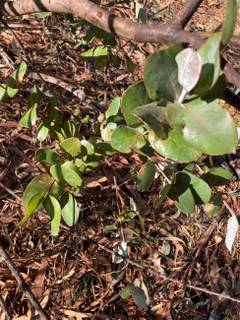
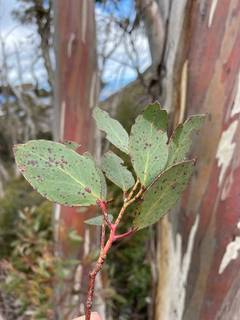
white, pink, or redFoliage Description
grey-green to blue-greenGrowing Conditions
Sun Requirements
Requires 6-12 hours of direct sunlight daily
• Full Sun: 6+ hours of direct sunlight
• Partial Shade: 3-6 hours of direct sunlight
• Full Shade: Less than 3 hours of direct sunlight
Care & Maintenance
Care Guide
Grow in full sun on free-draining soil, including poor, shallow, and clay soils; growth is slower on very dry or compacted ground. Water young trees through the first one to two seasons, after which the species withstands extended drought. Hard frost damages young growth, though established trees tolerate light to moderate frost. Psyllids and leaf beetles cause periodic leaf damage but rarely threaten established trees. The hard bark sheds little, so litter is mainly fallen leaves, capsules, and twigs. Mature trees reshoot from epicormic buds and from a lignotuber after fire or heavy cutting.Pruning
Remove lower branches on young trees to develop a clear trunk. Prune in late summer to autumn to reduce the risk of fungal entry through cuts. The species reshoots from epicormic buds and a basal lignotuber, recovering from hard pruning.Pruning Schedule
Prune: February–March
summerfall