Eucalyptus spp., eucalyptus
1 / 2
Broadleaf Evergreen Trees

Eucalyptus spp.

eucalyptus

MyrtaceaeAustralia

At a Glance

Typetree
Habitupright
Foliageevergreen
Heightvaries by species, 15-300 feet
Widthvaries by species, 10-100 feet

Growing Zones

USDA Hardiness Zones

7a - 10b
Zone 7a
Zone 7b
Zone 8a
Zone 8b
Zone 9a
Zone 9b
Zone 10a
Zone 10b
These zones indicate the coldest temperatures this plant can typically survive.
Frost Tolerancehardy

Overview

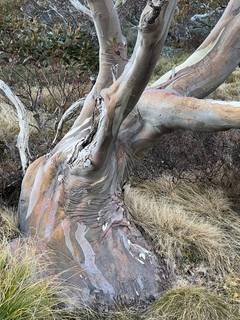
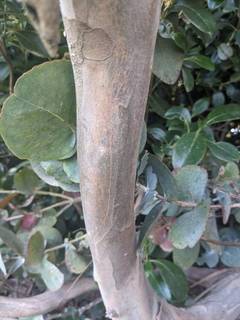
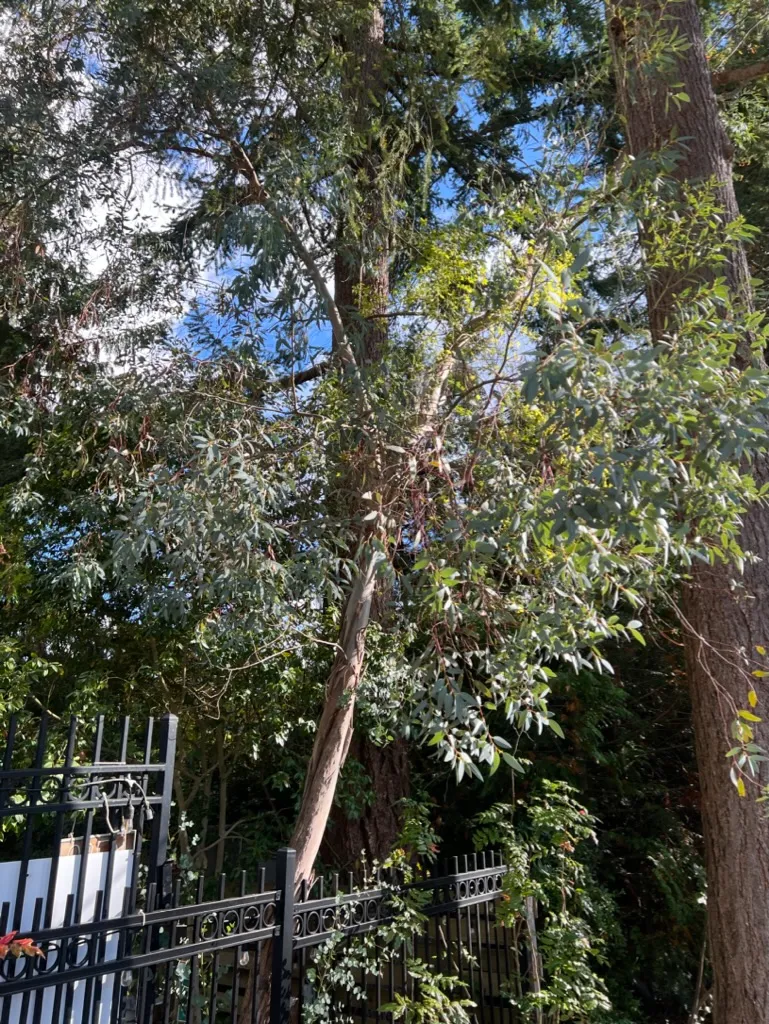
Eucalyptus spp. comprises over 700 species of distinctive evergreen trees that showcase remarkable diversity in size, form, and adaptation strategies across their native range. These iconic trees are characterized by their aromatic, oil-rich foliage that releases the unmistakable eucalyptus fragrance when crushed, and their striking bark that continuously sheds in ribbons, patches, or plates to reveal colorful underlayers in shades of cream, orange, salmon, green, and gray. The dimorphic leaf structure is particularly noteworthy - juvenile foliage appears as opposite, rounded, and often silvery-blue waxy leaves, while mature leaves transform into alternate, lance-shaped to sickle-shaped pendulous forms that hang vertically to minimize sun exposure and water loss. The unique flowering structure of Eucalyptus spp. consists of clusters of stamens that emerge dramatically when the distinctive cap-like operculum falls away, creating fluffy, often fragrant blooms in colors ranging from white and cream to yellow, pink, or red. These fast-growing trees exhibit extraordinary adaptability, with species ranging from shrubby mallee forms to towering forest giants reaching over 300 feet in their native habitat. Their extensive root systems are legendary for their efficiency in extracting water and nutrients, making them both valuable for erosion control and potentially problematic for nearby plantings in garden settings.

Native Range

Eucalyptus spp. are native to Australia and Tasmania, with a few species naturally occurring in New Guinea and nearby islands. The vast majority of species evolved across Australia's diverse landscapes, from the arid interior and Mediterranean-climate regions of Western Australia to the temperate forests of Tasmania and the subtropical and tropical zones of Queensland and Northern Territory. This extensive native range has resulted in remarkable ecological adaptations, with different species specialized for environments ranging from snow-covered alpine areas to coastal sand dunes and from seasonal wetlands to desert margins.

Suggested Uses

Eucalyptus spp. work well as specimen trees in large landscapes, windbreaks, and erosion control plantings on slopes or marginal soils. Their rapid growth makes them valuable for quick screening and privacy barriers, while their distinctive architecture and colorful bark provide year-round ornamental interest. The aromatic foliage is prized for cut flower arrangements and dried crafts. In appropriate climates, they serve as excellent street trees or park specimens where their size can be accommodated. Some smaller species can be grown in large containers or used as focal points in Mediterranean-style gardens. Their drought tolerance once established makes them suitable for xeriscaping and low-water landscapes, though they should be sited away from native plant communities in regions where they might become invasive.

How to Identify

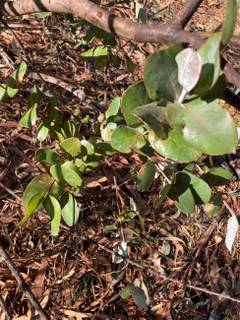
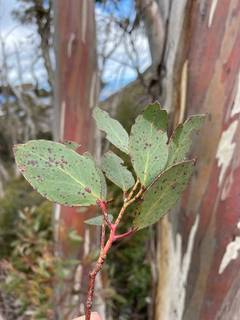
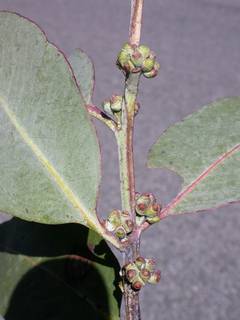
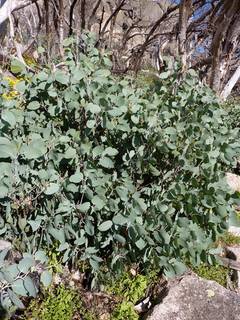
Eucalyptus spp. can be reliably identified by their distinctive dimorphic foliage - juvenile leaves that are typically opposite, rounded or heart-shaped, and often waxy blue-green or silvery, contrasting dramatically with adult leaves that become alternate, narrow, lance-shaped to sickle-shaped, and hang pendulously. The characteristic bark continuously exfoliates in strips, ribbons, or patches, revealing smooth, often colorful under-bark in combinations of cream, orange, salmon, gray, or green tones. The unique flower structure features numerous prominent stamens that emerge when the woody, cap-like operculum (bud cap) falls away, creating distinctive fluffy flower clusters. The aromatic foliage releases the characteristic eucalyptus scent when crushed, and the woody seed capsules (gum nuts) that follow the flowers are another reliable identifying feature.

Appearance

Bloom Information

varies by species and climate, typically winter to spring in native habitat

Detailed Descriptions

Flower Description

white, cream, yellow, pink, or red

Foliage Description

blue-green, gray-green, or green with silvery juvenile foliage

Growing Conditions

Sun Requirements

full sun

Soil pH

5.5-7.5

Water & Climate

Water Needs

moderate to low once established

Frost Tolerance

hardy

Time to Maturity

10-20 years

Care & Maintenance

Care Guide

Eucalyptus spp. require full sun exposure and well-draining soil to thrive, as they are intolerant of waterlogged conditions that can lead to root rot. Water deeply but infrequently once established, as these trees prefer to dry out between waterings and their extensive root systems are highly efficient at locating moisture. Fertilize sparingly if at all, as eucalyptus trees are adapted to nutrient-poor soils and excessive fertilization can promote rapid, weak growth that is more susceptible to wind damage. Monitor for proper spacing from buildings, power lines, and other plantings, as eucalyptus trees can grow rapidly and their vigorous root systems can compete aggressively with nearby plants for water and nutrients. In regions outside their native range, select cold-hardy species appropriate for your climate zone and provide wind protection for young trees until they become established.

Pruning

Prune Eucalyptus spp. carefully and minimally, as they naturally develop their characteristic form without extensive intervention. Remove dead, damaged, or crossing branches during the dormant season, typically late fall to early spring. Young trees may benefit from light pruning to encourage a strong central leader and remove competing stems. Avoid heavy pruning of mature trees, as eucalyptus wood can be brittle and large cuts may not heal properly, potentially creating entry points for diseases. If size control is necessary, prune gradually over several seasons rather than making drastic cuts. Some species respond well to coppicing (cutting to ground level) if complete regeneration is desired, though this should only be attempted with species known to resprout vigorously from the base.

⚠️ Toxicity Warning

Eucalyptus spp. contain eucalyptol and other compounds that can be toxic to humans and animals if ingested in significant quantities. The essential oils in the leaves can cause gastrointestinal upset, respiratory irritation, and central nervous system depression if consumed. Keep away from pets and children, as even small amounts can cause symptoms including vomiting, diarrhea, and difficulty breathing. The oils can also cause skin irritation in sensitive individuals when handling fresh foliage. While eucalyptus oil has medicinal uses when properly prepared and used externally, raw plant material should not be consumed and proper precautions should be taken when handling or processing the aromatic foliage.