Eucalyptus, Genus, coccifera, Species,
- Genus & species
Tasmanian snow gum
Tasmania, Australia (subalpine/alpine Central Plateau, 2,000-4,500 ft)
Overview
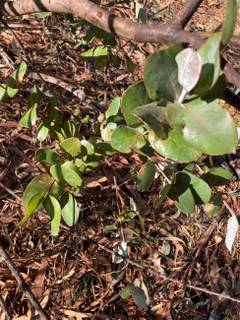
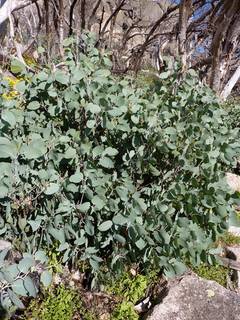
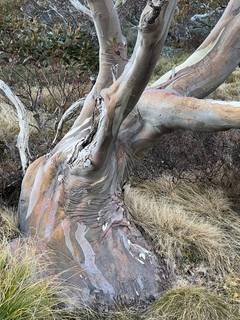
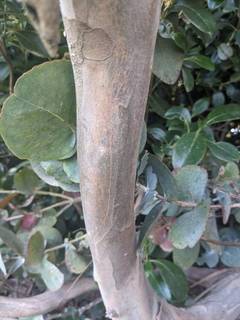
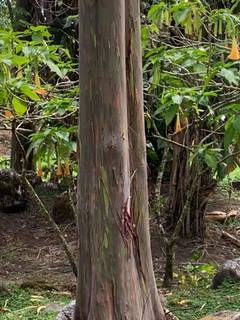
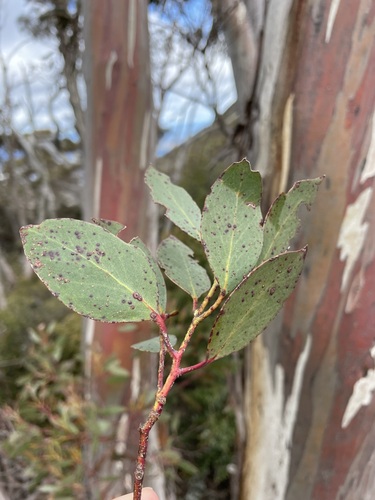
Eucalyptus coccifera is an upright single- to multi-stemmed evergreen tree reaching 25–40 feet (7.5–12 m) tall in cultivation with a spread of 15–25 feet (4.5–7.5 m), though specimens in native Tasmanian habitat exceed 80 feet (24 m). The species sits among the cold-hardiest eucalypts, tolerating temperatures to 10°F (−12°C) once established—a cold-tolerance level that opens temperate-zone cultivation well beyond the narrow warm-climate range of most Eucalyptus species. The bark is smooth and sheds in patches to reveal a mosaic of white, cream, pale green, and gray, a patchwork that carries year-round ornamental value and changes subtly through the year as new bark is exposed. Juvenile foliage is rounded, 1–2 inches (2.5–5 cm) across, blue-gray, and strongly peppermint-scented when crushed. Adult foliage is narrowly lance-shaped, 3–5 inches (8–13 cm) long, blue-green to gray-green, and also aromatic. Small white flowers in clusters of 3–7 appear in summer but are a secondary display behind the bark and foliage. Growth rate is fast—3–6 feet (90–180 cm) per year in favorable conditions. The root system is shallow and spreading, which has planting-position consequences: foundations, utilities, and pavement 15 feet (4.5 m) or more from the trunk are protected from root interference that would otherwise develop over 10–20 years.
Native Range
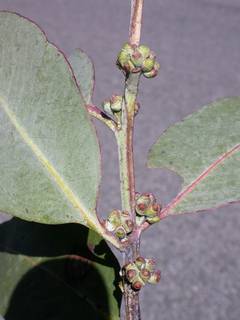
Eucalyptus coccifera is native to Tasmania, Australia, growing in subalpine and alpine zones of the Central Plateau and the high mountain summits at 2,000–4,500 feet (600–1,370 m). The native habitat is rocky, well-drained, and subject to severe winter cold and summer drought—the same ecological conditions that produce the species' garden cold-tolerance in temperate Northern Hemisphere cultivation. The specific epithet 'coccifera' translates as 'berry-bearing' (from Latin coccum, berry), a reference to the small rounded seed capsules.Suggested Uses
Planted as a specimen tree for ornamental bark and aromatic foliage, or coppiced as a multi-stemmed shrub for floristry-grade blue-gray juvenile leaves. The patchwork bark in white, cream, and green is the primary year-round ornamental feature and carries visual weight across all four seasons. Coppicing holds the plant at the juvenile-foliage stage—the rounded blue-gray leaves of the juvenile phase are harvested for cut-foliage use in floral arrangements. Functions in coastal gardens (salt tolerance is strong) and produces rapid screening in 3–5 years where fast cover matters. Small gardens (unless the tree is kept coppiced), positions near foundations and utilities, waterlogged soils, and cold zones below 7b are poor fits for the species.How to Identify
Appearance
Size & Dimensions
Height25' - 40'
Width/Spread15' - 25'
Bloom Information
Small white fluffy flowers in clusters of 3–7 open in leaf axils during summer (July–August). The flowers are followed by small cup-shaped seed capsules 0.3 inch (8 mm) across that persist for several months. The flowering display is secondary to the bark and foliage, which carry the primary ornamental value across the full year.
Detailed Descriptions
Flower Description
White, small fluffy clustersFoliage Description
Blue-gray juvenile (rounded); blue-green to gray-green adult (lance-shaped); aromatic peppermint scentGrowing Conditions
Sun Requirements
Requires 6-12 hours of direct sunlight daily
• Full Sun: 6+ hours of direct sunlight
• Partial Shade: 3-6 hours of direct sunlight
• Full Shade: Less than 3 hours of direct sunlight
Care & Maintenance
Care Guide
Plant in full sun in well-drained soil. Hardy to zone 7b (10°F / −12°C)—one of the cold-hardiest eucalypts available in commerce. Fast-growing—3–6 feet (90–180 cm) per year. The shallow spreading root system can damage foundations, utilities, and pavement if planted too close; planting position 15 feet (4.5 m) or more from structures is the protective distance that prevents most root conflicts over the life of the tree. Young trees benefit from staking until the root system establishes in the first 2–3 years. Wind throw on exposed sites is a known risk for young trees until the root system anchors; sheltered positions or guy-lines through the establishment period reduce the exposure. No serious pest or disease problems in temperate climates outside Australia. Toxic to pets if foliage is ingested in quantity.Pruning
Pruning is done in late spring once the risk of frost damage on cut surfaces has passed. Coppicing (cutting to the ground) annually or every 2–3 years maintains the tree as a multi-stemmed shrub with persistent juvenile blue-gray foliage; coppiced plants hold at 6–10 feet (1.8–3 m) indefinitely and continue to carry the ornamental juvenile leaves. For trees grown to full height, lower branches are removed progressively as the tree matures to raise the canopy and expose the ornamental bark to view. Damaged or crossing branches are removed as needed.Pruning Schedule
Prune: May
late spring