Eucalyptus, Genus, pauciflora, Species, ssp., Subspecies, niphophila, Subspecies,
- Genus & species
- Subspecies
alpine snow gum
Southeastern Australia (Snowy Mountains NSW, Victorian highlands; alpine treeline, 4,500-6,500 feet)
Overview
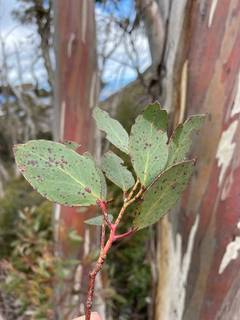
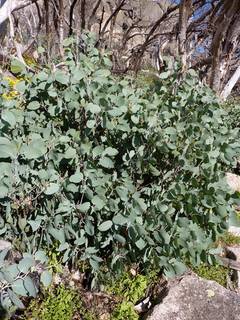
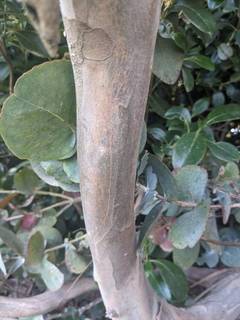
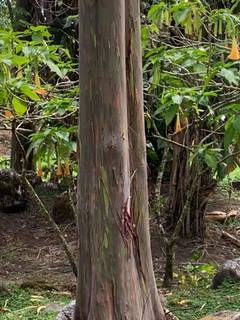
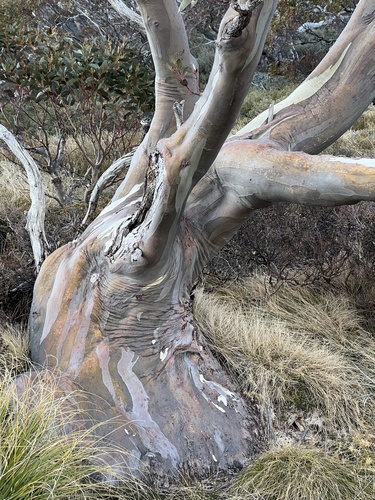
Eucalyptus pauciflora ssp. niphophila is the alpine snow gum, an evergreen tree reaching 15–25 feet (4.5–7.5 m) tall with a spread of 12–20 feet (3.5–6 m). The subspecies comes from the highest elevations of any Eucalyptus in Australia—the alpine treeline of the Snowy Mountains (New South Wales) and the Victorian highlands at 4,500–6,500 feet (1,400–2,000 m)—which produces its cold-tolerance down to 0°F (−18°C). Bark sheds in irregular patches to reveal a patchwork of white, cream, gray, and green smooth underbark, and the pattern shifts character through the year as fresh layers emerge; the color palette intensifies in winter when older shed layers have fallen away completely. Leaves are thick, leathery, waxy, sickle-shaped (falcate), 3–5 inches (7–13 cm) long, and gray-green to blue-green; the waxy bloom reflects summer UV and reduces water loss at the extreme elevations of the native habitat. White fluffy staminal flower clusters 0.5–0.75 inch (12–18 mm) across open in groups of 7–15 in summer. The subspecies epithet 'niphophila' translates as 'snow-loving' from Greek nipho (snow) plus philos (loving). Foliage releases a menthol-eucalyptus scent when crushed—the scent is from eucalyptol (1,8-cineole), present in all Eucalyptus species. All parts contain eucalyptol in quantities that are toxic to dogs and cats if ingested. Growth rate is fast—24–36 inches (60–90 cm) per year when young.
Native Range
Eucalyptus pauciflora ssp. niphophila is native to southeastern Australia, specifically the Snowy Mountains of New South Wales and the Victorian alpine highlands, where the subspecies grows at the alpine treeline at 4,500–6,500 feet (1,400–2,000 m)—the highest elevations occupied by any Eucalyptus in Australia. The subspecies sits at the ecological ceiling of the genus: above this elevation, conditions become too cold for even the hardiest eucalypts.Suggested Uses
Planted as a specimen tree where the multi-colored shedding bark is visible at close range—positions near patios, seating areas, and garden paths put the bark within viewing distance where its changing patterns register. Siting against a dark background such as a conifer hedge or shaded building wall builds strong contrast with the white and pale-gray bark tones. Coppicing is an option for growers wanting the juvenile blue foliage instead of the mature bark display. The shallow root system and the eucalyptol toxicity to pets shape planting-position choices: planting 15 feet (4.5 m) or more from foundations and sewer lines prevents most root conflicts, and keeping the tree out of pet-accessible areas reduces ingestion risk. Zones 7–10.How to Identify
Appearance
Size & Dimensions
Height15' - 25'
Width/Spread12' - 20'
Bloom Information
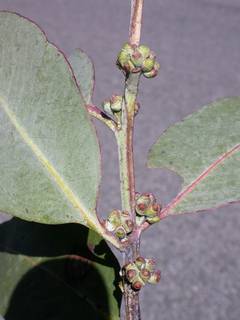
White fluffy staminal flower clusters open in summer (July–August), lasting 3–4 weeks. Small woody seed capsules (gumnuts) follow bloom and persist for several months. The multi-colored shedding bark remains the primary year-round ornamental feature behind which the flowers are a minor contribution.
Detailed Descriptions
Flower Description
White, fluffy staminal clusters 0.5-0.75 inch (12-18 mm), in groups of 7-15Foliage Description
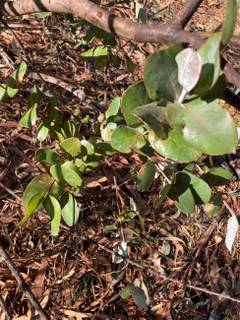
Gray-green to blue-green, thick leathery waxy, sickle-shaped (falcate), 3-5 inches (7-13 cm); juvenile leaves are rounder and more blueGrowing Conditions
Sun Requirements
Requires 6-12 hours of direct sunlight daily
• Full Sun: 6+ hours of direct sunlight
• Partial Shade: 3-6 hours of direct sunlight
• Full Shade: Less than 3 hours of direct sunlight
Care & Maintenance
Care Guide
Plant in full sun in well-drained soil. Hardy to zone 7 (0°F / −18°C)—among the cold-hardiest eucalypts, matched only by ssp. debeuzevillei from the adjacent Jounama Range. Fast-growing when young—24–36 inches (60–90 cm) per year. The shallow root system and windthrow risk on exposed saturated sites call for careful siting: planting position 15 feet (4.5 m) or more from foundations and sewer lines protects structures from root interference, and sheltered sites reduce windthrow during establishment. Foliage contains eucalyptol in quantities that are toxic to dogs and cats if ingested. Drought-tolerant once established. Zones 7–10.Pruning
Pruning is done in late spring (May) to shape and once the frost-damage window on cut surfaces has closed. Lower branches are removed progressively to expose the multi-colored bark, which develops on stems and trunk as the tree matures—bark-bearing wood is retained rather than cut away. Coppicing (cutting to the ground) is a working option for growers who want to maintain the tree as a multi-stemmed shrub with juvenile blue rounded foliage, though coppicing sacrifices the ornamental bark.Pruning Schedule
Prune: May
late spring