Eucalyptus, Genus,
- Genus
eucalyptus
Overview
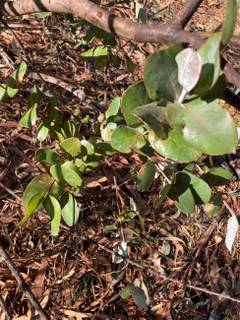
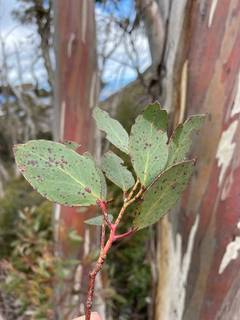
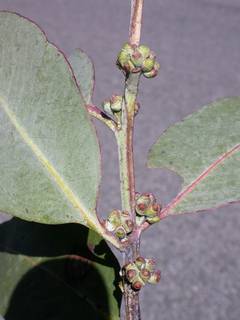
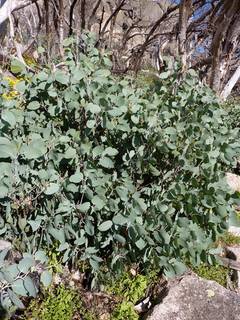
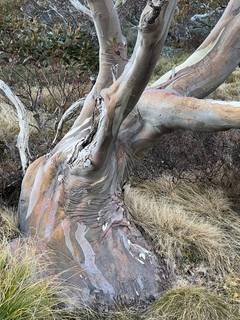
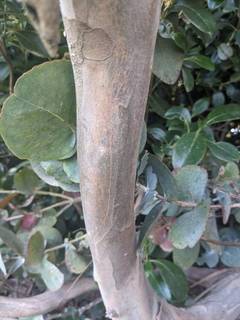
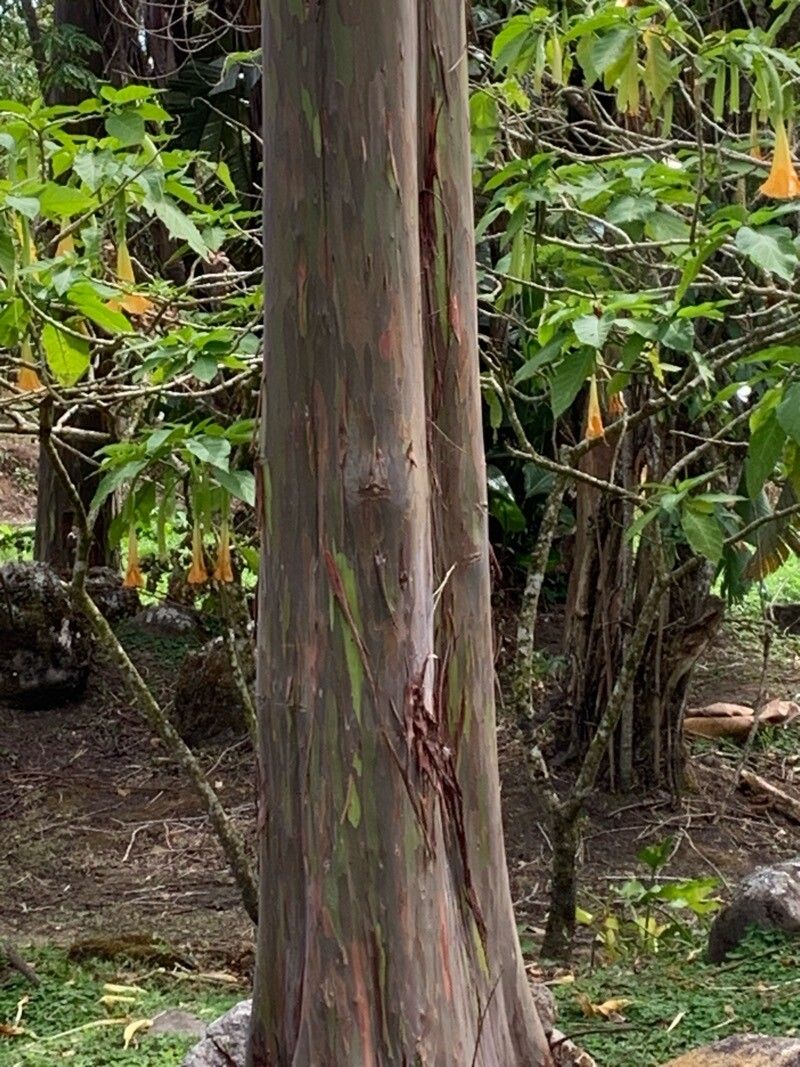
Eucalyptus is a genus of more than 700 species of evergreen trees and shrubs in the myrtle family, Myrtaceae, native almost entirely to Australia. Size ranges from low, multi-stemmed mallees a few feet tall to forest trees over 200 feet (60 m). The aromatic leaves are dotted with oil glands and often differ between juvenile and adult stages, shifting from rounded, blue-green, stem-clasping juvenile leaves to long, narrow, hanging adult leaves. Bark may be smooth and shedding in ribbons, or rough and fibrous, depending on the species. The flowers lack petals; a cap called an operculum drops off the bud to release a brush of white, cream, yellow, pink, or red stamens, followed by woody capsule fruits known as gumnuts. Eucalyptus grows in USDA zones 8 to 11, with a few species hardier, and tolerates heat and drought. The oil-rich foliage and bark are highly flammable, the roots are aggressive, the trees drop bark and limbs, and several species have naturalized as weeds outside Australia.
Native Range
Native almost entirely to Australia, with a few species extending to New Guinea, Indonesia, and the Philippines. Eucalypts dominate much of the Australian landscape, from coastal forests to arid interior woodlands, and have been planted widely in Mediterranean and subtropical climates worldwide.Suggested Uses
Planted as fast-growing shade, screen, and timber trees, and grown for aromatic cut foliage and essential oil. Compact and coppiced forms are used for silver-blue foliage in borders and containers. The fire risk, root spread, and litter limit use near houses and in small gardens.How to Identify
Appearance
Size & Dimensions
Height10' - 200'
Width/Spread10' - 65'
Bloom Information
Bloom time varies widely by species and climate, with many flowering from winter into spring and others through summer. The petal-less flowers open as brushes of stamens rich in nectar. Woody gumnut capsules follow and can persist on the tree for months or years.
Detailed Descriptions
Flower Description
white, cream, yellow, pink, or redFoliage Description
green to silver-blueGrowing Conditions
Sun Requirements
Requires 6-10 hours of direct sunlight daily
• Full Sun: 6+ hours of direct sunlight
• Partial Shade: 3-6 hours of direct sunlight
• Full Shade: Less than 3 hours of direct sunlight
Care & Maintenance
Care Guide
Grows in full sun in well-drained soil and tolerates heat, wind, and extended drought once established. Wet, poorly drained ground and deep shade weaken the trees. Young plants grow rapidly and need water through the first seasons, after which most species rely on rainfall in suitable climates. Cold tolerance ranges from USDA zone 8 for many species to zone 7 for a few hardy types, with frost the main limit in cultivation. The oil-rich foliage is flammable, raising fire risk near buildings, and dropped bark, limbs, and allelopathic litter accumulate beneath the canopy. Little feeding is needed in average soil.Pruning
Many species tolerate hard pruning, coppicing, and pollarding, which is used to keep ornamental forms shrubby and to hold rounded juvenile foliage. Cutting is done in late winter to early spring before active growth. Large limbs are heavy and can drop without warning, so removal is done cautiously.Pruning Schedule
Prune: February–March
winterearly spring
Container Growing
Suitable for container growing
Minimum container size: 5 gallons