Eucalyptus, Genus, microcorys, Species,
- Genus & species
tallowwood
Overview
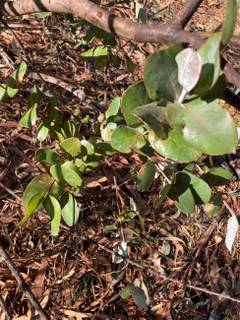
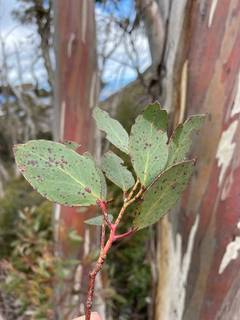
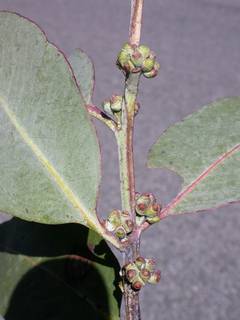
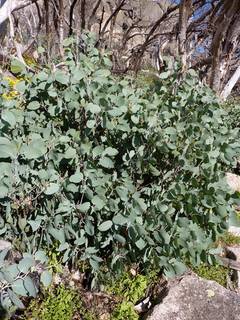
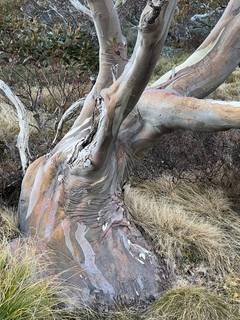
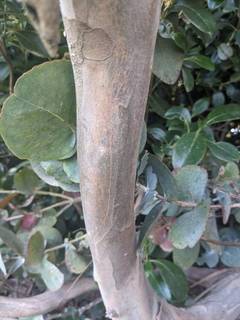
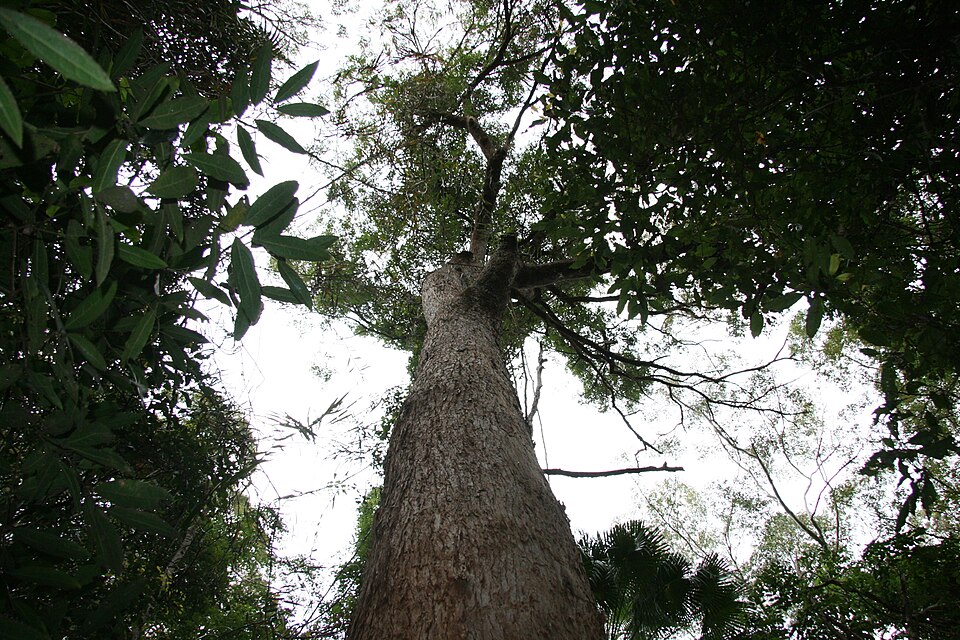
Eucalyptus microcorys is a large evergreen tree in the family Myrtaceae, commonly reaching 65-130 feet (20-40 m) tall and sometimes taller in forest, with a tall straight trunk and soft, fibrous, reddish-brown bark that persists over the whole tree. The adult leaves are alternate, lance-shaped, 2.5-5 inches (6-13 cm) long, glossy dark green above and paler below, and arranged in a dense crown. Small white flowers 0.2-0.3 inch (5-8 mm) across open in clusters of up to seven from late spring through summer, drawing nectar-feeding birds and insects. Small woody capsules about 0.2-0.3 inch (5-8 mm) long follow and release numerous tiny seeds. Growth is moderate to rapid on deep, fertile soils, and trees develop a long clear trunk in forest stands. The species needs warm conditions and deep, moist, well-drained soil, and grows slowly on shallow, dry, or cold sites. The timber is hard and greasy to the touch, a characteristic reflected in the common name.
Native Range
Native to eastern Australia, along the coast and ranges from south-eastern Queensland through to the central coast of New South Wales. Grows in tall open forest on deep, fertile, moisture-retentive soils, often on hillsides and in valleys with reliable rainfall.Suggested Uses
Planted as a shade and timber tree in large gardens, parks, and rural plantings, spaced 25-40 feet (7.5-12 m) apart. Grown in plantations and farm forestry for its hard, durable hardwood. The large size, vigorous roots, and heavy litter limit its use in small gardens and near paving or buildings.How to Identify
Appearance
Size & Dimensions
Height65' - 130'
Width/Spread30' - 50'
Bloom Information
Flowers from late spring through summer (October to February in its native range), with clusters of white flowers across the crown. Flowering can vary from year to year, with heavier years following good rainfall. The flowers carry nectar that draws birds, bees, and other insects.
Detailed Descriptions
Foliage Description
Glossy dark greenGrowing Conditions
Sun Requirements
Requires 6-12 hours of direct sunlight daily
• Full Sun: 6+ hours of direct sunlight
• Partial Shade: 3-6 hours of direct sunlight
• Full Shade: Less than 3 hours of direct sunlight
Care & Maintenance
Care Guide
Water young trees through the first two summers to establish, after which they tolerate seasonal dry periods on deep soils. Plants need full sun and deep, fertile, well-drained soil that holds some moisture, and grow slowly on shallow, dry, or compacted ground. The species suits warm-temperate and subtropical climates and is damaged by severe frost when young. Few pests cause lasting harm, though leaf-eating beetles and psyllids feed on new growth at times. Trees develop a large root system and a tall crown, needing room away from buildings and services. Fallen bark, leaves, and capsules form litter beneath the canopy.Pruning
Young trees can be formed to a single straight leader, with low branches removed to develop a clear trunk. Mature trees need little pruning beyond removing dead or damaged limbs. Large pruning wounds heal slowly and can admit decay, so cuts are kept small.Pruning Schedule
Prune: June–July
winter