Eucalyptus, Genus, pilularis, Species,
- Genus & species
blackbutt
Overview
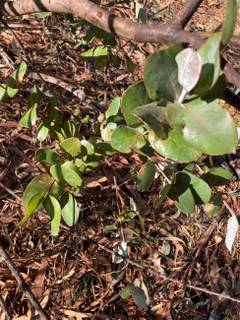
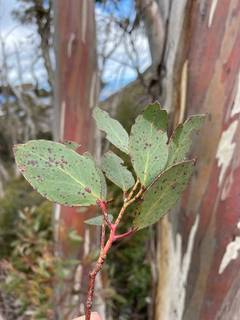
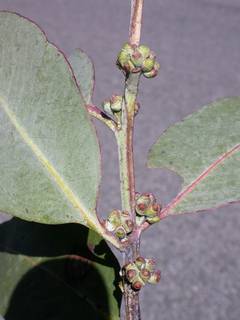
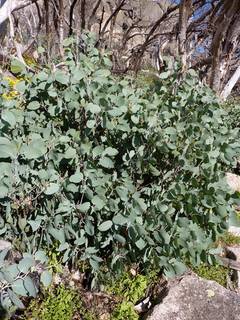
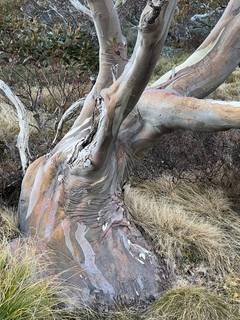
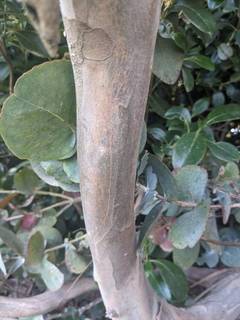
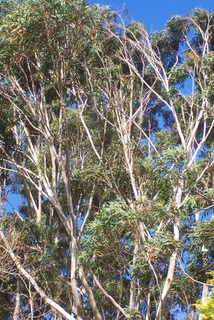
Eucalyptus pilularis is an evergreen tree reaching 30-50 m (100-165 ft) tall, occasionally taller, with a straight trunk to about 1.5 m (5 ft) in diameter. The lower trunk carries finely fissured, fibrous grey-brown bark, while the upper trunk and branches are smooth and white to cream, shedding in ribbons. Adult leaves are lance-shaped, 8-16 cm (3-6 in) long, glossy green and paler beneath, arranged alternately, while juvenile leaves are broader and dull green. White flowers 1-1.5 cm (0.4-0.6 in) across are borne in clusters of 7-15 in summer, followed by woody capsules 6-10 mm (0.25-0.4 in) wide. Growth is rapid in youth, often 1-2 m (3-7 ft) per year on deep moist soils, slowing with age, and trees live for several hundred years. The species tolerates a range of soils but grows largest on deep, well-drained loams in high-rainfall districts. It does not withstand severe drought when young or repeated intense fire as a sapling, though mature trees resprout from epicormic buds after fire.
Native Range
Native to the coast and adjacent ranges of eastern Australia, from southeastern Queensland through New South Wales, in tall open forest on sandy and loamy soils in high-rainfall areas below about 600 m (2,000 ft).Suggested Uses
Grown as a large shade and forest tree in parks, rural properties, and revegetation, spaced 8-12 m (26-40 ft) apart. The pale, straight-grained timber is used for flooring, construction, and poles. The size and litter fall limit its use in small gardens.How to Identify
Appearance
Size & Dimensions
Height100' - 165'
Width/Spread40' - 65'
Bloom Information
Flowers in summer, mainly November to February in eastern Australia, with heavy flowering at intervals of several years. The main flush lasts 4-6 weeks. Flowering attracts insects, birds, and mammals to the nectar.
Detailed Descriptions
Foliage Description
glossy greenGrowing Conditions
Sun Requirements
Requires 6-12 hours of direct sunlight daily
• Full Sun: 6+ hours of direct sunlight
• Partial Shade: 3-6 hours of direct sunlight
• Full Shade: Less than 3 hours of direct sunlight
Care & Maintenance
Care Guide
Grow in full sun on deep, free-draining sandy or loamy soil; growth is slower on shallow or compacted ground. Water young trees through the first one to two seasons until roots establish, after which the species withstands seasonal dry periods. It needs ample room, as mature trees reach 30 m (100 ft) or more with a wide root spread. Lerp-feeding psyllids and leaf-eating beetles cause periodic defoliation but rarely kill established trees. The shedding bark and branches drop litter beneath the canopy. Mature trees resprout from epicormic buds after fire or heavy pruning.Pruning
Remove lower branches on young trees over the first few years to develop a clear trunk. Prune in late summer to autumn to limit the risk of fungal infection through cuts. The species reshoots from epicormic buds and recovers from hard pruning, though large cuts on old trunks may decay.Pruning Schedule
Prune: February–March
summerfall