Eucalyptus, Genus, obliqua, Species,
- Genus & species
messmate stringybark
Overview
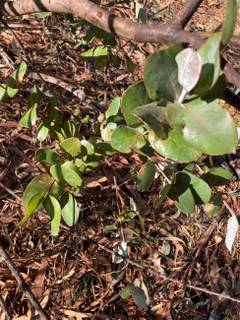
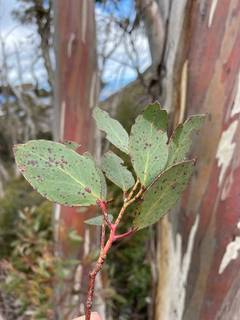
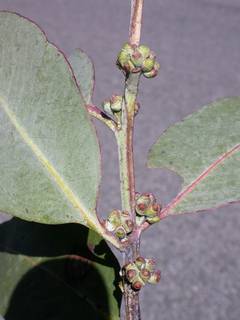
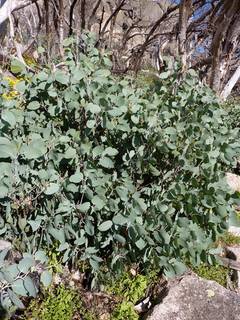
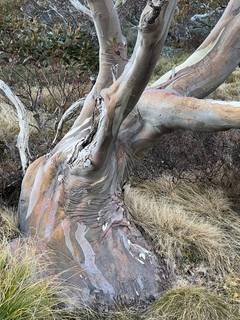
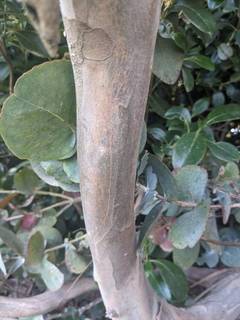
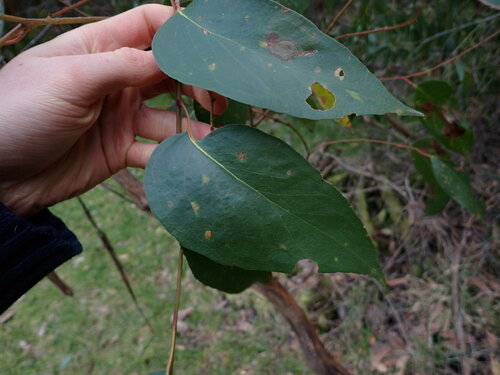
Eucalyptus obliqua is a large evergreen forest tree usually 30-50 m (98-165 ft) tall and reaching 90 m (295 ft) on deep soils in cool, moist sites, with a trunk to 3 m (10 ft) in diameter. The bark is grey-brown, fibrous, and stringy over the whole trunk and larger branches, the feature that gives the stringybarks their name. Adult leaves are stalked, lance-shaped to broadly so, 6-15 cm (2.4-5.9 in) long, glossy green, and slightly unequal at the base, the source of the species name obliqua. Cream-white flowers open in clusters of up to fifteen from summer into autumn and are followed by woody cup-shaped capsules 6-11 mm (0.2-0.4 in) wide with enclosed valves. It grows on acidic loams and sandy soils in tall open forest and tolerates frost, wind, and short dry periods once established. The species reaches a great size and develops a wide, deep root system, so it needs ample space clear of buildings, drains, and paving. Lower limbs shed with age, and bark and capsules create steady litter beneath the canopy.
Native Range
Native to south-eastern Australia, occurring in Tasmania, Victoria, south-eastern South Australia, and eastern New South Wales, where it forms tall open forest on hills and ranges from near sea level to about 1,200 m (3,900 ft) in cool, moderately high-rainfall country.Suggested Uses
Used as a shade and habitat tree in large gardens, parks, rural properties, and forestry. The flowers support honeyeaters and insects, and hollows in old trunks shelter birds and mammals. Planted clear of structures at wide spacing.How to Identify
Appearance
Size & Dimensions
Height98'5" - 295'3"
Width/Spread49'2" - 98'5"
Bloom Information
Detailed Descriptions
Foliage Description
glossy greenGrowing Conditions
Sun Requirements
Requires 8-12 hours of direct sunlight daily
• Full Sun: 6+ hours of direct sunlight
• Partial Shade: 3-6 hours of direct sunlight
• Full Shade: Less than 3 hours of direct sunlight
Care & Maintenance
Care Guide
Grow in full sun on deep, acidic, well-drained loam or sandy soil with reliable moisture in the warmer months. Water young trees through their first few summers, then taper off as the deep roots reach subsoil moisture and the tree tolerates dry spells. Leave a large clear area, as the trunk and root plate expand greatly with age. Stake only if needed and remove ties early to let the trunk thicken. Surface roots, falling bark, and shed limbs are ongoing features of mature trees in lawns and gardens. The species suits large rural and parkland sites rather than small gardens.Pruning
Formative pruning while young can establish a single straight leader and clear lower trunk. Mature trees need little pruning beyond removal of dead or hazardous limbs by a qualified arborist. Cut in the warmer months, as wounds made in cold, wet weather are slow to seal.Pruning Schedule
Prune: December–January
summer