Erigeron, Genus, peregrinus, Species,
- Genus & species
wandering fleabane
Mountain regions of western North America from Alaska to New Mexico
Overview
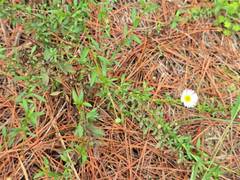
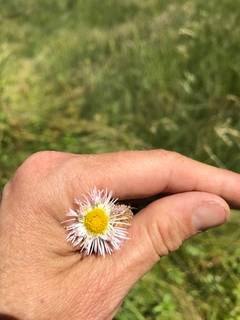
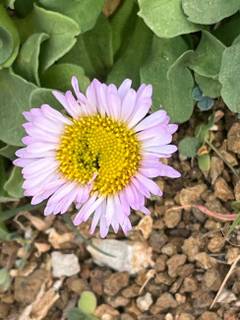
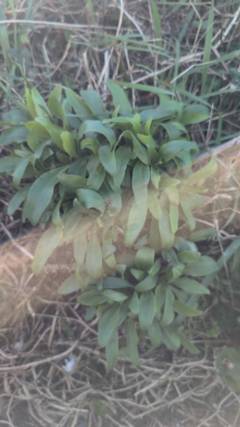
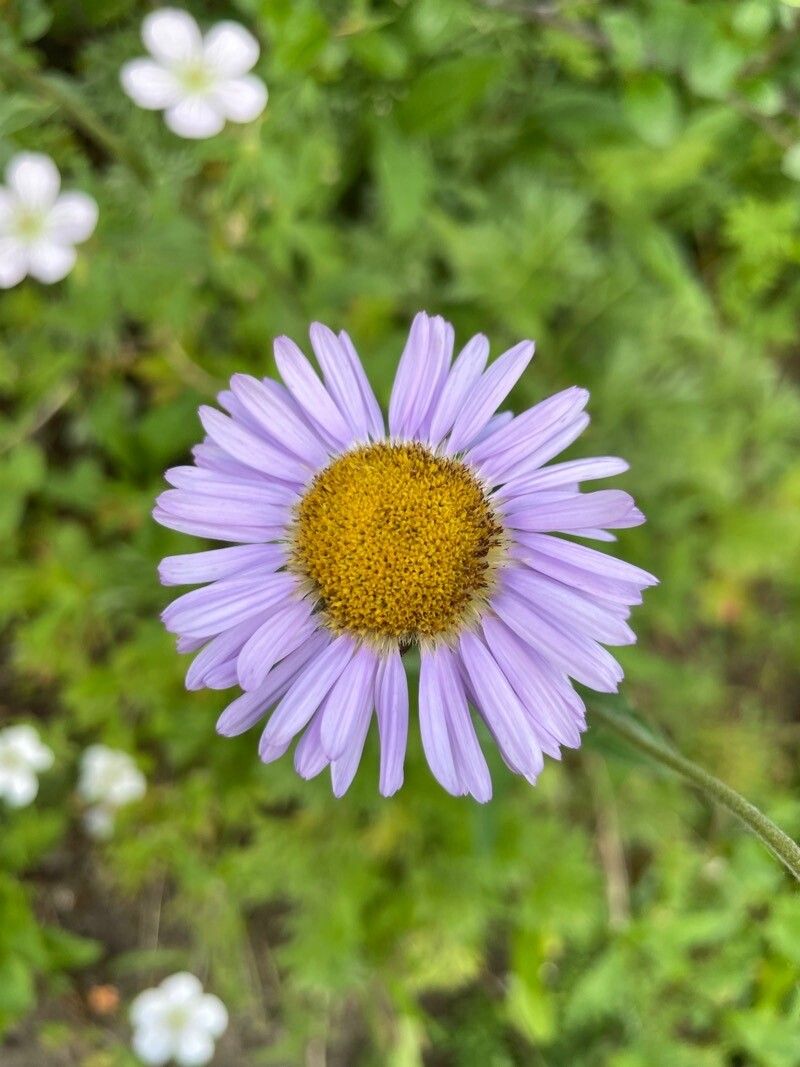
Erigeron peregrinus is a herbaceous perennial reaching 4-24 inches (10-60 cm) tall and 6-12 inches (15-30 cm) wide, with one to several mostly unbranched stems arising from a fibrous-rooted crown. Basal leaves are spatulate to oblanceolate, 1.5-4 inches (4-10 cm) long, somewhat fleshy, sparsely hairy or smooth. Stem leaves are smaller and clasping. Flower heads are 1-2 inches (2.5-5 cm) across, with 25-80 narrow ray florets in shades of pink, lavender, or rose-purple (occasionally white) surrounding a yellow disc. Bloom occurs from July through September. Stems and bracts often have purple-tinged glandular hairs near the head. Plants are short-lived perennials, persisting 4-7 years in cultivation; longer-lived in cool moist sites than in warm summer climates. Self-seeds modestly in disturbed openings; volunteer seedlings establish over 2 years.
Native Range
Native to mountain regions of western North America from Alaska through British Columbia, Washington, Oregon, northern California, Idaho, Montana, and Wyoming, extending into the Rocky Mountains south to Colorado and New Mexico. Grows in subalpine and alpine meadows, snow-melt seeps, streambanks, and montane forest openings at elevations from 2,000 to 11,000 feet (600-3,400 m). Often a dominant pink-flowered fleabane in late-summer subalpine meadow displays.Suggested Uses
Used in alpine and rock gardens, montane meadow plantings, and cool-summer perennial borders, spaced 8-12 inches (20-30 cm) apart in well-drained soils. Plantings combine with Castilleja parviflora, Lupinus latifolius, and Polemonium pulcherrimum in subalpine meadow plantings. Performance declines below 2,000 feet (600 m) elevation in zones 8-9 due to summer heat.How to Identify
Appearance
Size & Dimensions
Height4" - 2'
Width/Spread6" - 1'
Bloom Information
Blooms July through September in subalpine zones, peaking late July through mid-August in zones 5-6. Lower elevation populations in zones 7-8 may begin in late June. Individual flower heads last 2-3 weeks; total bloom on a plant extends 4-6 weeks. Late summer rains extend bloom by 1-2 weeks.
Detailed Descriptions
Flower Description
pink, lavender, rose-purple (occasionally white) with yellow discFoliage Description
medium green; somewhat fleshyGrowing Conditions
Sun Requirements
Requires 5-9 hours of direct sunlight daily
• Full Sun: 6+ hours of direct sunlight
• Partial Shade: 3-6 hours of direct sunlight
• Full Shade: Less than 3 hours of direct sunlight
Care & Maintenance
Care Guide
Plantings establish in cool sites with consistent moisture and well-drained gritty soils. Water through the first growing season; established plants tolerate brief drought but not prolonged summer heat above 85°F (29°C). A 1 inch (2.5 cm) layer of gravel or grit mulch at the crown maintains cooler and drier conditions. Few pest or disease problems occur. Aphids occasionally feed on flower buds in warm-summer plantings; rarely affects bloom. Foliage browns and dies back to crown after first frost. Fertilization is not required and reduces flower count.Pruning
Spent flower stems are cut at the base after bloom to maintain a compact crown and encourage occasional rebloom in cool autumns. Foliage is cut back to ground level in late fall or early spring; old leaves persist through winter in zones 7-8. Mid-season grooming is not required.Pruning Schedule
Prune: October–November
fall
Container Growing
Suitable for container growing
Minimum container size: 3 gallons