Overview
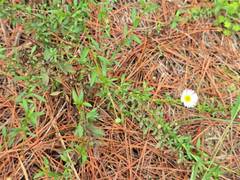
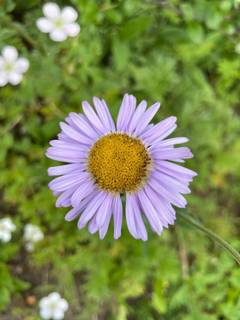
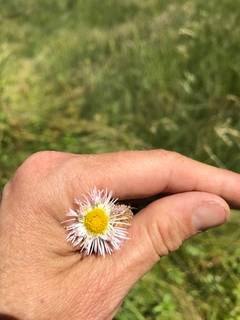
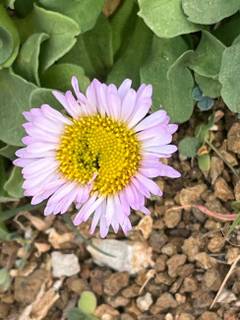
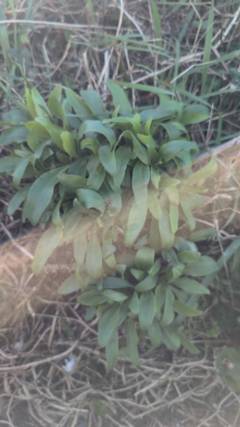
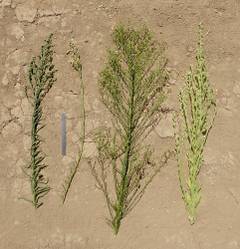
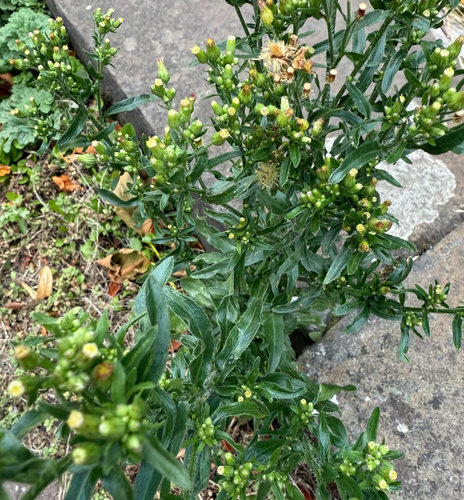
Erigeron floribundus is an erect annual or biennial herb in the daisy family (Asteraceae), growing 1–5 feet (0.3–1.5 m) tall on a single stiff, leafy, finely hairy stem that branches near the top. The narrow, grey-green leaves are 1–4 inches (2.5–10 cm) long, lance-shaped, and softly hairy, the lower ones toothed and the upper ones entire. From midsummer to autumn the plant carries many small flower heads about 0.2 inch (4–6 mm) across in a long, open, pyramidal cluster; each head has minute whitish to pale yellow florets that barely open. The seed is a tiny achene with a dull white to pale brown pappus, produced in great numbers and carried far on the wind. It grows on disturbed and waste ground, pavements, railway land, vineyards, and field edges on dry, open soils. As a fast-growing coloniser of bare ground it can form tall stands in one season, but it does not persist in closed grassland or shade.
Native Range
Native to South America, it has become a widespread introduced weed across Europe, Africa, Asia, Australia, and North America, especially in warm temperate and Mediterranean climates. It spreads readily along roads, railways, and cultivated land.Suggested Uses
Erigeron floribundus has no ornamental or crop use and is treated as a weed of cultivated and waste ground. It is a minor late-season nectar and seed source for insects and birds on disturbed sites.How to Identify
Appearance
Size & Dimensions
Height1' - 5'
Width/Spread8" - 1'6"
Colors
Bloom Information
Flower heads open from July to October, with peak flowering in late summer. The tiny whitish heads are largely self-pollinating and barely open. Vast numbers of wind-borne seeds are released from late summer into autumn, so a single plant can found a large local population.
Detailed Descriptions
Flower Description
whitish to pale yellowFoliage Description
grey-greenGrowing Conditions
Sun Requirements
Requires 6-12 hours of direct sunlight daily
• Full Sun: 6+ hours of direct sunlight
• Partial Shade: 3-6 hours of direct sunlight
• Full Shade: Less than 3 hours of direct sunlight
Water & Climate
Water Needs
Drought Tolerance
Drought tolerant when established