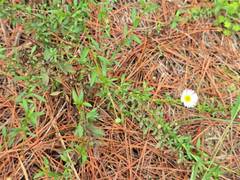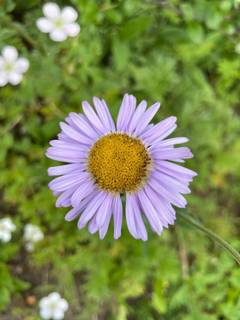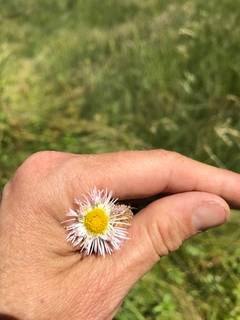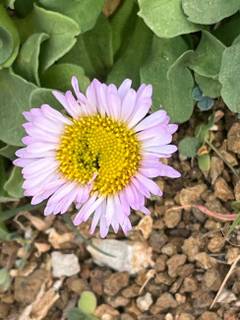
Erigeron, Genus, speciosus, Species,
- Genus & species
showy fleabane
Western North America from British Columbia to New Mexico
Overview
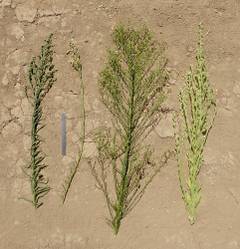
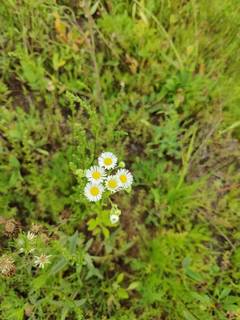
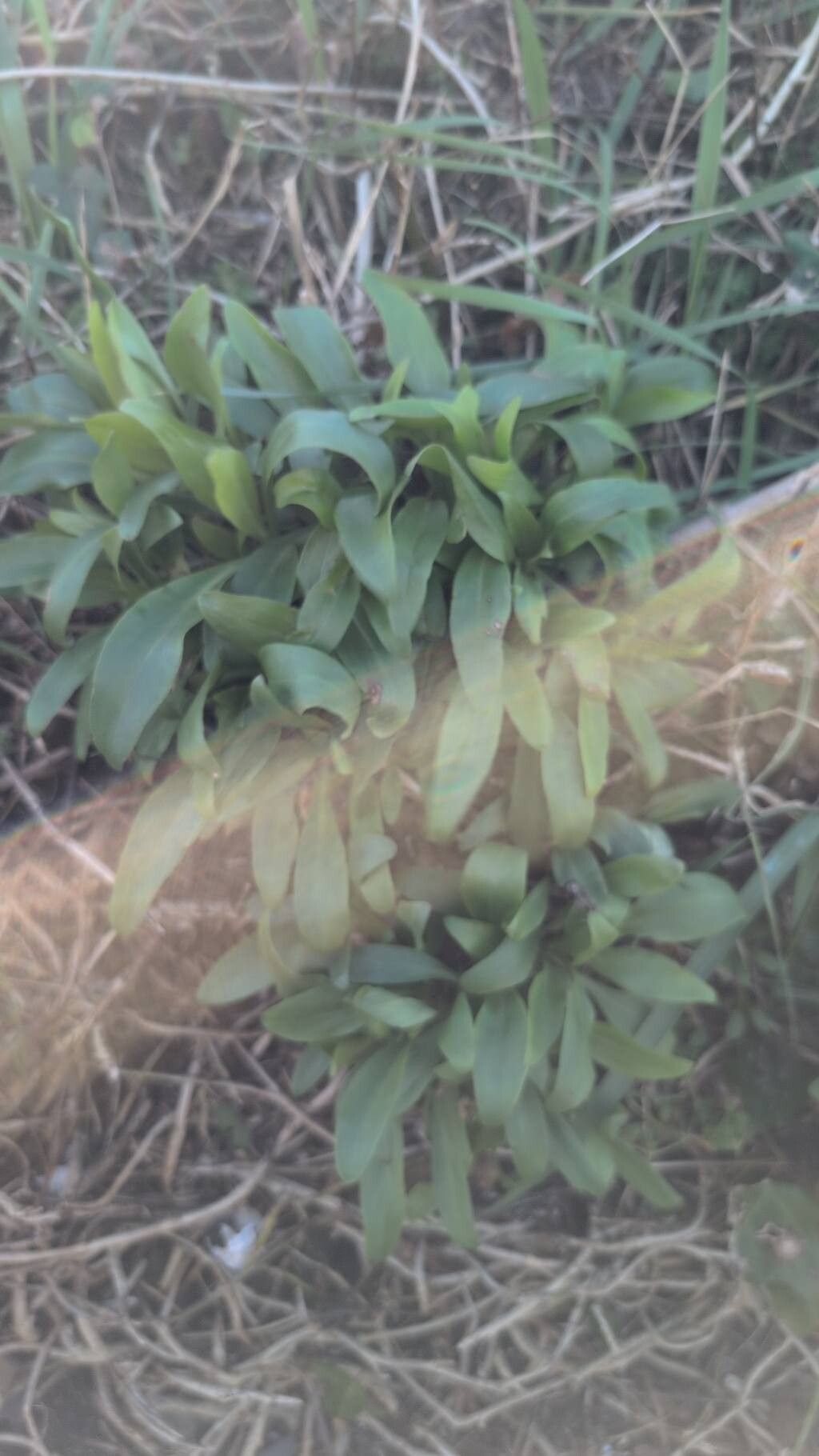
A clump-forming herbaceous perennial reaching 12-30 inches (30-75 cm) tall and 18-24 inches (45-60 cm) wide, growing from a fibrous-rooted basal crown. Stems erect, slender, branching only near the apex, with 3-15 daisy-like flower heads per stem. Leaves alternate, lanceolate to oblanceolate, 2-6 inches (5-15 cm) long, mid-green and slightly hairy, with sparsely toothed margins. Flower heads 1-1.5 inches (2.5-4 cm) across with 100-150 narrow ray florets in shades of lavender-blue to deep violet-blue surrounding a yellow disc. Plants flower June through September across their range, with peak flowering July and August. Foliage persists into October before yellowing and collapsing with frost. Stands self-seed mildly under garden conditions, producing 5-15 volunteer seedlings per parent plant in suitable bare-soil openings. Plants persist 4-7 years on well-drained soils; replacement is by division or fresh seed every 4-5 years to maintain vigor on heavy soils where rosettes thin from the center outward.
Native Range
Native to western North America from southern British Columbia south through Washington and Oregon east to Montana, Wyoming, and Colorado, with disjunct populations in northern New Mexico. Found in montane meadows, open coniferous forest, aspen groves, and roadsides at 4,000-10,500 feet (1,200-3,200 m).Suggested Uses
Planted in mountain meadow plantings, naturalistic borders, and meadow restoration plantings within zones 3-8, at 12-18 inch (30-45 cm) spacing. Mixes with Achillea, Penstemon, and bunchgrasses in dry-summer perennial groupings. Container culture is sustained for 2-3 years in pots of at least 3 gallons (11 L) with coarse drainage.How to Identify
Appearance
Size & Dimensions
Height1' - 2'6"
Width/Spread1'6" - 2'
Bloom Information
June through September across the species' range, with peak flowering in July and August. Lower-elevation populations bloom from late June; alpine populations may continue into early September. Each head lasts 8-12 days; total bloom per stand 8-12 weeks. Deadheading the first flush extends bloom by 2-4 weeks.
Detailed Descriptions
Flower Description
Lavender-blue to violet-blue with yellow discFoliage Description
Mid-greenGrowing Conditions
Sun Requirements
Requires 6-10 hours of direct sunlight daily
• Full Sun: 6+ hours of direct sunlight
• Partial Shade: 3-6 hours of direct sunlight
• Full Shade: Less than 3 hours of direct sunlight
Care & Maintenance
Care Guide
Plants benefit from weekly watering during the first growing season after planting; established stands tolerate 2-3 weeks of drought but bloom is reduced during prolonged dry spells. Powdery mildew develops on foliage in humid late-summer conditions; affected leaves can be removed without harming the plant. Aphids and lygus bugs feed on flower buds and may distort blooms in some seasons. Stands typically benefit from division every 4-5 years on heavy clay; on free-draining loam, division is needed only every 7-8 years. Voles damage rootstocks under thick winter mulch in some regions.Pruning
Spent flower stems are deadheaded by shearing the upper third of the plant after the first bloom flush ends in late July, encouraging a secondary flush in August and September. A complete cut to 2 inches (5 cm) above the crown after autumn frost removes collapsed foliage and reduces overwintering aphid eggs. Spring division replaces complete cutback in renovation years.Pruning Schedule
Prune: July & October–November
summerfall
Container Growing
Suitable for container growing
Minimum container size: 3 gallons