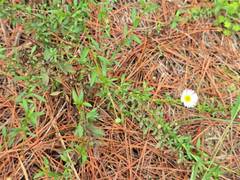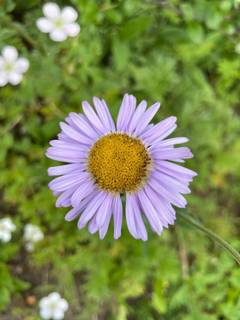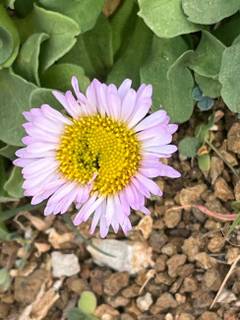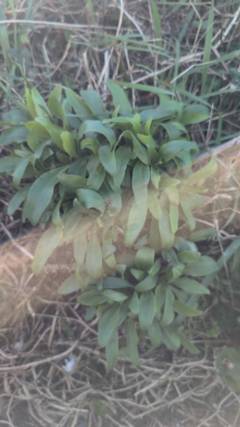
Erigeron, Genus, philadelphicus, Species,
- Genus & species
Philadelphia fleabane
North America: Newfoundland to Florida, west to Alaska and California
Overview
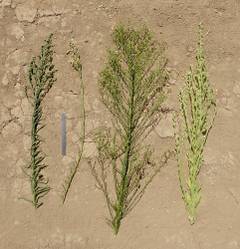
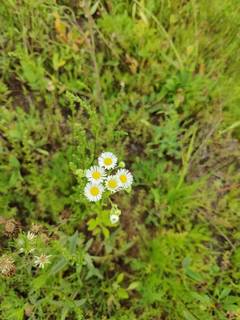
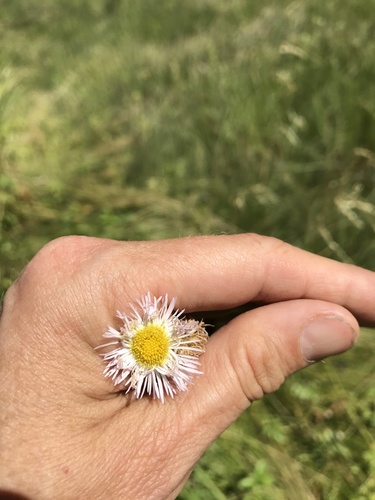
Erigeron philadelphicus is a biennial to short-lived perennial herbaceous wildflower reaching 12-30 inches (30-75 cm) tall and 8-18 inches (20-45 cm) wide, with branched flowering stems arising from a basal rosette. Stems are softly hairy and often purple-tinged at the base. Basal leaves are spatulate to obovate, 2-6 inches (5-15 cm) long, hairy, with toothed or lobed margins; stem leaves are clasping with rounded auricles, decreasing in size up the stem. Flower heads are 0.5-1 inch (13-25 mm) across, with 100-400 very narrow ray florets in shades of pale pink, lavender, or white surrounding a yellow disc. Bloom occurs from April through June. Plants spread modestly by short stolons; daughter rosettes form 3-6 inches (7.5-15 cm) from the parent crown. Self-seeds prolifically in moist disturbed soils; one plant can produce 50-200 volunteer seedlings annually.
Native Range
Native across North America from Newfoundland and Quebec south to Florida, west to Alaska, British Columbia, and northern California, with disjunct populations in the Rocky Mountains and Great Plains. Grows in moist meadows, streambanks, woodland edges, road shoulders, and disturbed open ground at elevations from sea level to 8,000 feet (2,400 m). Naturalized in temperate Eurasia.Suggested Uses
Used in native meadows, woodland edges, rain gardens, and naturalistic plantings, spaced 12-18 inches (30-45 cm) apart in moist soils. Plantings combine with Geum triflorum, Sisyrinchium angustifolium, and Carex pensylvanica in eastern moist meadow communities. Aggressive self-seeding makes the species incompatible with small formal beds; suited to areas where naturalization is welcomed.How to Identify
Appearance
Size & Dimensions
Height1' - 2'6"
Width/Spread8" - 1'6"
Bloom Information
Blooms April through June across most of the range, with peak in May. Cold-climate populations in zones 2-4 bloom late May through July. Individual flower heads last 5-7 days; total bloom on a plant extends 4-6 weeks. Plants typically die back after seed set in early to mid-summer.
Detailed Descriptions
Flower Description
pale pink to lavender or white with yellow discFoliage Description
medium green; hairyGrowing Conditions
Sun Requirements
Requires 4-9 hours of direct sunlight daily
• Full Sun: 6+ hours of direct sunlight
• Partial Shade: 3-6 hours of direct sunlight
• Full Shade: Less than 3 hours of direct sunlight
Care & Maintenance
Care Guide
Plantings establish in moist, fertile soils with neutral to slightly acidic pH. Water through the first growing season; established plants tolerate brief drought but go dormant earlier in dry summers. Few pest or disease problems occur; powdery mildew can appear on water-stressed plants and rarely affects bloom. Plants self-seed prolifically and persist as a successional population rather than long-lived individual clumps. Deadheading reduces seed production but is rarely complete given the small flower size and high stem count. Fertilization is not required in fertile garden soils.Pruning
Spent flower stems can be cut at the base after seed set in early summer to limit self-seeding, or left to mature for goldfinch and small bird forage. Basal rosettes persist through summer and overwinter; they bloom the following spring. Old foliage is cut to ground level in late fall as plants senesce.Pruning Schedule
Prune: October–November
fall
Container Growing
Suitable for container growing
Minimum container size: 3 gallons