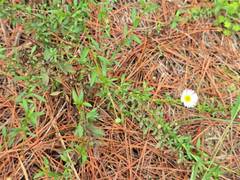
Image 1 of 10
1 / 10
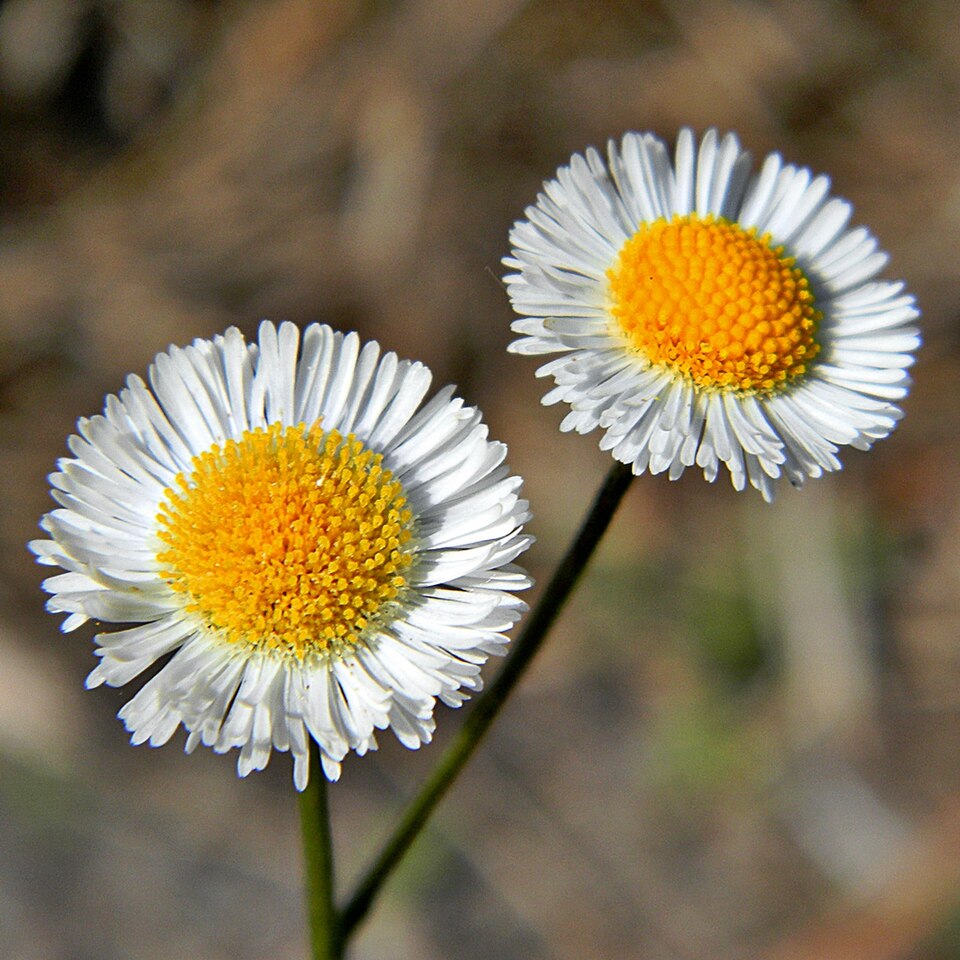
© Bob Peterson from North Palm Beach, Florida, Planet Earth!, some rights reserved (CC-BY-SA) · Wikimedia Commons
Erigeron, Genus, quercifolius, Species,
- Genus & species
oakleaf fleabane
SunFull Sun – Part Shade
Overview
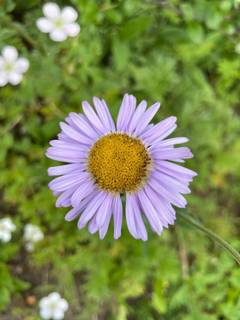
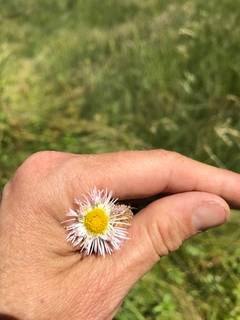
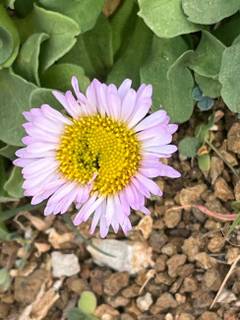
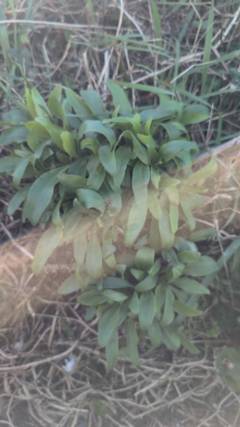
Erigeron quercifolius is a hairy annual, biennial, or short-lived perennial of the southeastern United States, forming a basal rosette of deeply lobed leaves from which slender flowering stems rise 8-24 inches (20-60 cm) tall. The rosette leaves are 2-6 inches (5-15 cm) long with rounded, oak-like lobes, the source of the common name, while the stem leaves are smaller and less divided. Soft hairs cover the foliage and stems. From late winter into early summer the branched stems carry daisy-like heads 0.5-0.75 inch (12-18 mm) across, each with 100 or more very narrow ray florets in white to pale pink around a yellow disk. Plants flower freely and set abundant wind-borne seed, often dying after one or two seasons and renewing from seedlings. They grow in lawns, fields, pine flatwoods, and disturbed sandy ground, tolerating poor soil and some moisture. The plant is weakly competitive and short-lived, and the lobed rosette can be mistaken for a weed before it flowers. Bloom is heaviest in spring and tapers as heat builds.
Native Range
Native to the southeastern United States, from the Carolinas and Florida west to Texas, growing in lawns, old fields, pine flatwoods, roadsides, and moist to dry sandy ground.Suggested Uses
Grown in meadow, native, and pollinator plantings on sandy soil, and allowed to naturalize in informal lawns. Used to fill open, disturbed ground where a low spring daisy is wanted. Its short life and self-seeding restrict its use in formal beds.How to Identify
Appearance
Size & Dimensions
Height8" - 2'
Width/Spread6" - 1'
Bloom Information
Heads open from late winter into early summer, generally February through June, heaviest in spring. Each head carries 100 or more slender ray florets, white aging to pale pink, around a yellow disk. Small bees, flies, and butterflies visit the open heads.
Detailed Descriptions
Flower Description
White to pale pink with yellow centerFoliage Description
GreenGrowing Conditions
Sun Requirements
Requires 5-12 hours of direct sunlight daily
• Full Sun: 6+ hours of direct sunlight
• Partial Shade: 3-6 hours of direct sunlight
• Full Shade: Less than 3 hours of direct sunlight
Water & Climate
Water Needs
Drought Tolerance
Drought tolerant when established
Care & Maintenance
Care Guide
Full sun to light shade and moist to dry sandy soil suit this short-lived plant. It tolerates a soil pH from about 5.5 to 7.0 and needs little care once the rosette forms. Overly rich, wet soil shortens its life and encourages rot. Plants set abundant seed and return through volunteers rather than lasting crowns. Powdery mildew and leaf miners occasionally mark crowded plants. Growth fades through the heat of summer after flowering.Pruning
Shearing the flower stems after the main bloom can prompt a lighter second flush. Spent plants are pulled or left to self-seed at season end. No structural pruning is needed.Container Growing
Suitable for container growing
Minimum container size: 1 gallons
Toxicity
Non-toxicPlanting Guide
Planting Methods & Timing
Planting Method
direct sow