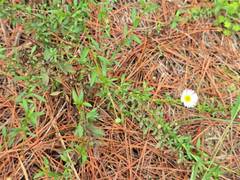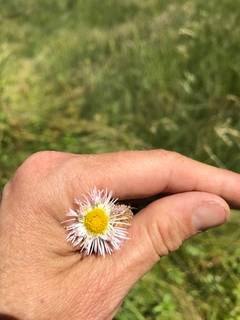
Erigeron, Genus, glacialis, Species,
- Genus & species
subalpine fleabane
Overview
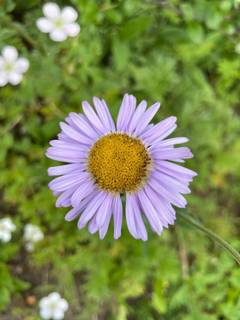
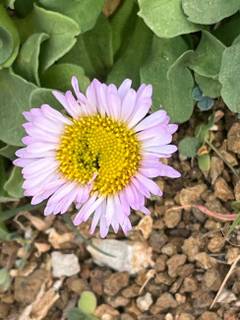
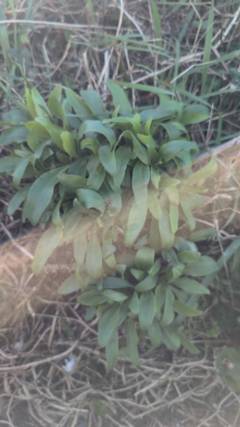
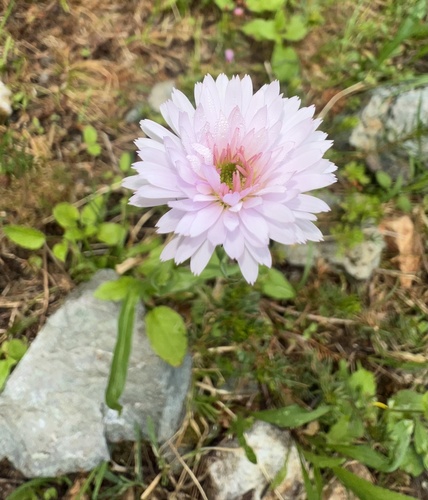
Erigeron glacialis is a clump-forming herbaceous perennial of the high mountains of western North America, formerly treated within Erigeron peregrinus. From a basal rosette of smooth, spoon-shaped leaves it sends up leafy stems 4-24 inches (10-60 cm) tall, each topped by one or a few daisy-like flower heads. The heads span about 1-1.5 inches (2.5-4 cm) and carry 30 to 80 narrow rays in shades of lavender, pink, or rose-purple around a flat yellow disk. Flowering comes in mid- to late summer in subalpine and alpine meadows, often beside snowmelt streams and seeps. After bloom the heads form small dry seeds tipped with bristles that carry on the wind. E. glacialis needs the cool, moist conditions of mountain meadows and tends to languish in hot lowland gardens or dry soil. It spreads slowly from a short rhizome and self-sown seed to form loose colonies. The plant tolerates heavy mountain snow cover and short growing seasons but declines under prolonged summer heat and drought. It is grown in rock gardens, alpine troughs, and native meadow plantings within its hardiness range.
Native Range
Native to the mountains of western North America, from Alaska and the Yukon south through the Cascades, Sierra Nevada, and Rocky Mountains to California, Arizona, and New Mexico. It grows in subalpine and alpine meadows, along streams, and in moist openings, mostly from 5,000 to 11,000 feet (1,500 to 3,400 m).Suggested Uses
Grown in rock gardens, alpine troughs, and moist native meadow plantings in cool-summer regions. The lavender daisies draw mountain pollinators. It suits streamside and bog-garden edges where soil stays damp.How to Identify
Appearance
Size & Dimensions
Height4" - 2'
Width/Spread6" - 1'
Bloom Information
Flower heads open from July through August, later at higher elevations. Each stem bears one to several heads that are visited by mountain bees, flies, and butterflies. Bloom is brief, lasting a few weeks as the short alpine summer allows.
Detailed Descriptions
Flower Description
lavender to rose-purple with yellow centerFoliage Description
greenGrowing Conditions
Sun Requirements
Requires 6-10 hours of direct sunlight daily
• Full Sun: 6+ hours of direct sunlight
• Partial Shade: 3-6 hours of direct sunlight
• Full Shade: Less than 3 hours of direct sunlight
Care & Maintenance
Care Guide
Plants need full sun to part shade and cool, moist, well-drained soil that does not dry out. They are hardy to about USDA zone 3 and depend on consistent moisture during the growing season. Hot, dry, low-elevation conditions cut their life short. A gritty soil with steady moisture in a rock garden or trough suits them where summers stay cool. No fertilizer is needed in lean mountain soils. Crowns can rot in waterlogged winter ground despite the plant needing summer moisture.Pruning
No pruning is needed. Spent flower stems can be cut back after seed forms to keep the rosette tidy. Removing seed heads before they ripen limits self-sowing.Pruning Schedule
Prune: September
fall
Container Growing
Suitable for container growing
Minimum container size: 2 gallons