Erigeron, Genus, spp., Multiple species,
- Genus
- Multiple species
fleabanes and horseweeds
Overview
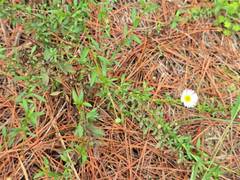
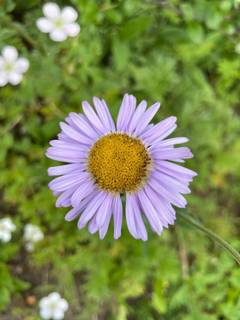
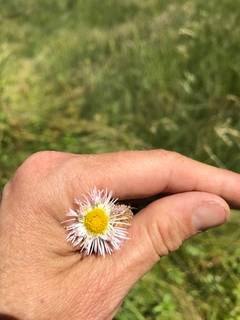
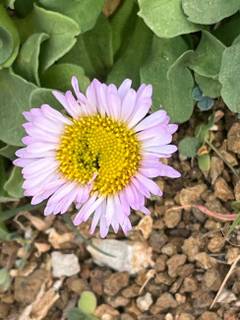
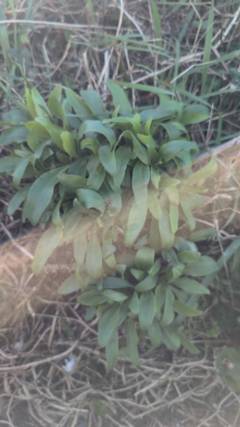
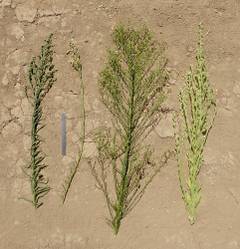
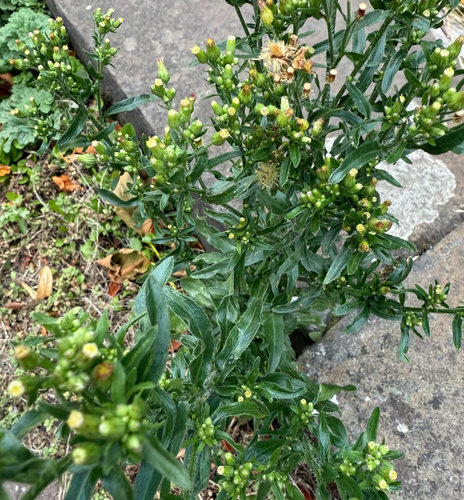
Erigeron, the fleabanes, is a genus of around 400 or more species in the daisy family, found on most continents but richest in North America. The group includes annuals, biennials, and perennials, most of them low, clump-forming or mounded plants ranging across the genus from about 4 inches to 3 feet (10 to 90 cm) tall. Stems carry alternate, often narrow leaves and branch into daisy-like flower heads. Each head has a central disc of yellow florets surrounded by many slender ray florets — usually far more numerous and threadlike than those of asters — in white, pink, purple, or blue. Flowering runs mainly from late spring through summer, and some species rebloom if cut back. Many fleabanes are short-lived but self-seed, so they persist in a garden by replacement. Plants spread by seed and, in some species, by short rhizomes. Across the genus, species differ in life span, height, ray color, and the number of flower heads, and several weedy species, such as E. canadensis, colonize disturbed ground.
Native Range
The genus occurs across North and South America, Eurasia, and other regions, with the greatest number of species in western North America. Fleabanes grow in meadows, prairies, alpine slopes, rocky outcrops, woodland edges, and disturbed ground, from sea level to high mountains. Across the genus they favor open, sunny sites with well-drained soil.Suggested Uses
Fleabanes are grown in rock gardens, gravel gardens, the front of borders, and wall crevices, spaced about 8 to 18 inches (20 to 45 cm) apart by species. Low alpine species suit troughs and crevice plantings, while taller meadow species suit naturalistic and pollinator plantings. The flowers draw bees and butterflies through summer.How to Identify
Appearance
Size & Dimensions
Height4" - 3'
Width/Spread6" - 2'
Bloom Information
Across the genus, bloom runs from late spring into late summer, roughly May through August, with alpine species flowering briefly in summer and others over many weeks. Individual plants flower for 4-8 weeks, and shearing after the first flush brings a lighter rebloom in many species. Flowering is heaviest in full sun.
Detailed Descriptions
Flower Description
white, pink, purple, or blueFoliage Description
greenGrowing Conditions
Sun Requirements
Requires 6-8 hours of direct sunlight daily
• Full Sun: 6+ hours of direct sunlight
• Partial Shade: 3-6 hours of direct sunlight
• Full Shade: Less than 3 hours of direct sunlight
Care & Maintenance
Care Guide
Most fleabanes grow in full sun in lean, well-drained soil and tolerate poor, dry, and rocky ground. Across the genus they need little watering once established and tend to flop or rot in rich, moist, or shaded conditions. Shearing plants back by one-third after the main flush keeps them compact and prolongs bloom. Short-lived species are renewed from self-sown seedlings or by division every 2-3 years. Powdery mildew and aphids appear on some species in humid or crowded sites. Good drainage and air movement prevent most problems.Pruning
Shear plants back by about one-third after the first flush of bloom to tidy the mound and encourage further flowering. Cut stems to the ground in late autumn or late winter once growth dies back. Removing spent heads before seed sets limits self-sowing in weedy species.Pruning Schedule
summerfall
Container Growing
Suitable for container growing
Minimum container size: 1 gallons