Erigeron, Genus, modestus, Species,
- Genus & species
plains fleabane
South-central United States and northern Mexico
Overview
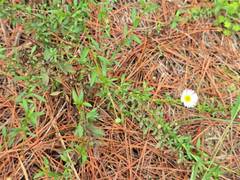
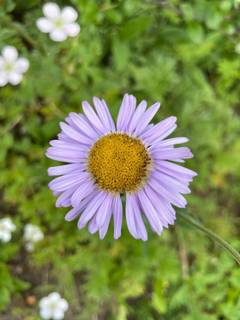
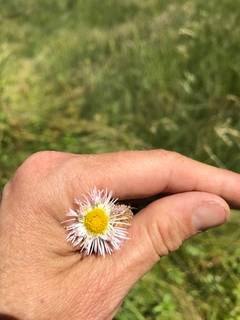
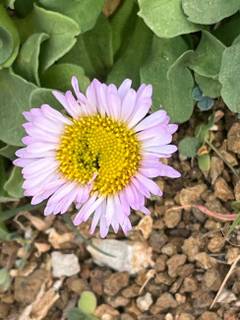
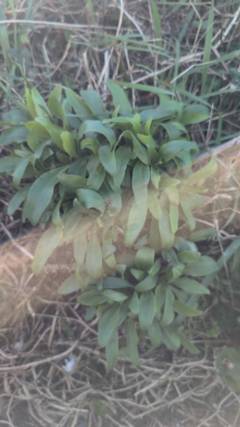
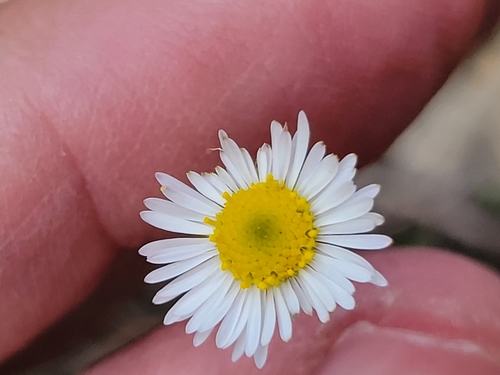
Erigeron modestus is a low, short-lived perennial in the aster family, forming tufted clumps 6-16 inches (15-40 cm) tall with slender, branching, softly hairy stems. The narrow, gray-green leaves are mostly basal, 0.75-2.5 inches (2-6 cm) long, with a few smaller leaves scattered up the stems. From spring into autumn it carries many small daisy-like flower heads about 0.5-0.75 inch (12-20 mm) wide, each with 50 or more thread-like white to pale pink ray florets around a low yellow disc. The slender rays and compact yellow centers draw small native bees, flies, and butterflies. Light, dry seed heads of tufted achenes follow and scatter on the wind. It grows on dry prairies, limestone outcrops, rocky slopes, roadsides, and open disturbed ground across the south-central United States and northern Mexico. Plants tolerate heat, drought, and poor soils but are usually short-lived, persisting two to three years while reseeding to maintain a stand. The long bloom season and tidy mounded form make it a quiet filler in dry plantings. In rich or moist soil it grows leggy and flops, losing its compact shape.
Native Range
Native to the south-central United States and northern Mexico, from Texas, Oklahoma, and Kansas west to New Mexico and Arizona. It grows on dry prairies, limestone barrens, rocky slopes, and disturbed roadside ground. Its range extends south into the Mexican states bordering the Rio Grande.Suggested Uses
Erigeron modestus is used in dry meadow, rock garden, and native pollinator plantings, and along hot, sunny borders and pathway edges. Its low mound and long bloom suit gravel gardens and the front of water-thrifty beds. It naturalizes on lean banks and disturbed sites where many plants struggle.How to Identify
Appearance
Size & Dimensions
Height6" - 1'4"
Width/Spread8" - 1'4"
Colors
Bloom Information
Bloom is long, running from early spring through autumn wherever moisture allows, with the heaviest flush in spring. Plants open a steady succession of small white-to-pink daisies over many weeks. Flowering eases during the hottest, driest part of summer and picks up again after rain.
Detailed Descriptions
Flower Description
white to pale pink with a yellow centerFoliage Description
gray-greenGrowing Conditions
Sun Requirements
Requires 6-12 hours of direct sunlight daily
• Full Sun: 6+ hours of direct sunlight
• Partial Shade: 3-6 hours of direct sunlight
• Full Shade: Less than 3 hours of direct sunlight
Care & Maintenance
Care Guide
Erigeron modestus grows in full sun on lean, fast-draining sandy, gravelly, or rocky soils, including alkaline limestone ground. Once established it needs little water and tolerates heat, drought, and reflected warmth from pavement. It is hardy in USDA zones 5-9 and reseeds freely where the soil stays open. Rich, moist, or heavily fertilized soil makes plants floppy and shortens their life, so lean conditions suit it better. Because individual plants are short-lived, letting some seed heads mature keeps a stand going from year to year. Watering is needed only to start new plants or during prolonged drought.Pruning
Shearing the plant back by about half after the main spring flush tidies the clump and prompts a fresh round of bloom. Spent stems can be cut to the basal foliage in late autumn or late winter. Leaving a few seed heads in place allows self-sowing to replace short-lived plants.Container Growing
Suitable for container growing
Minimum container size: 1 gallons