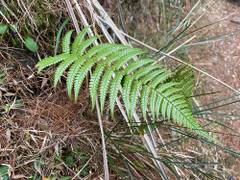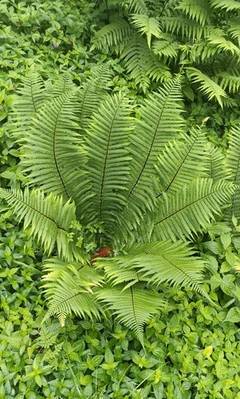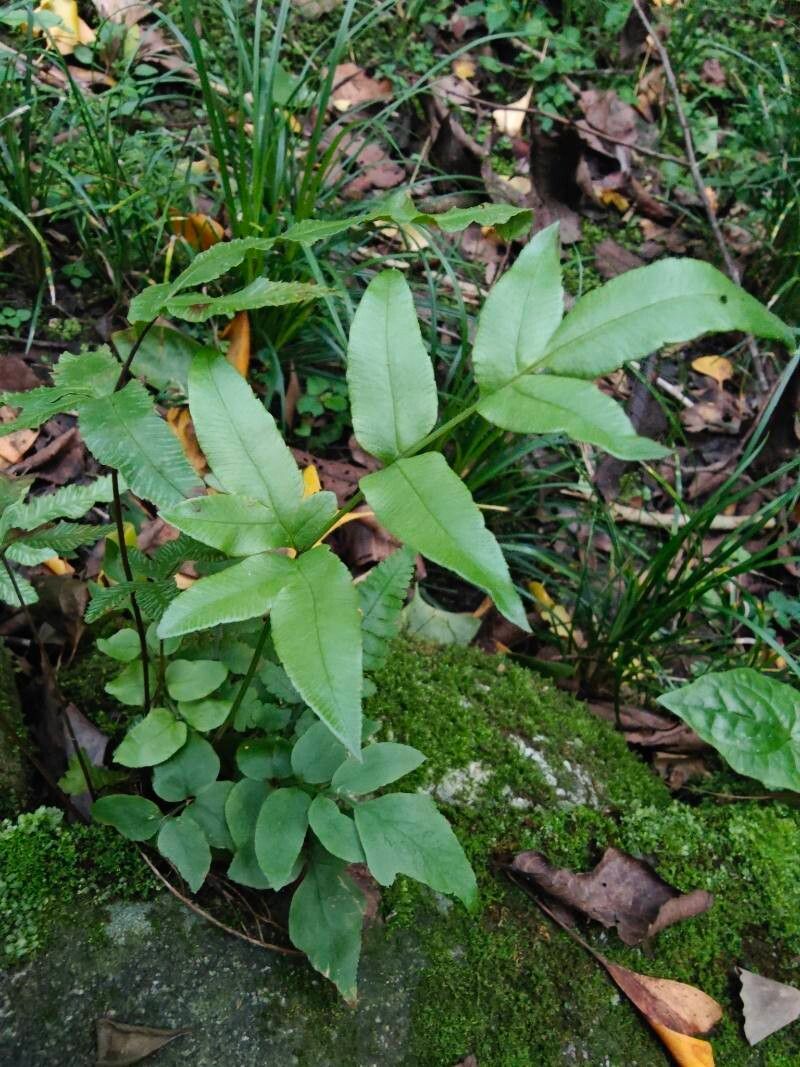
Dryopteris, Genus, sieboldii, Species,
- Genus & species
Siebold's wood fern
Overview
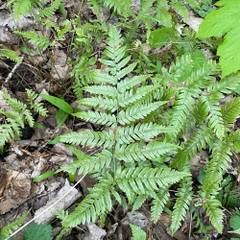
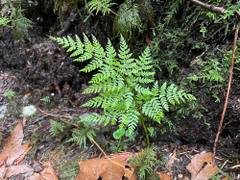
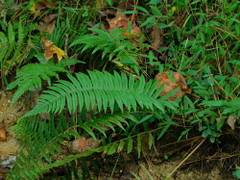
Dryopteris sieboldii is a clump-forming, semi-evergreen fern reaching 12-24 inches (30-60 cm) tall and 18-24 inches (45-60 cm) wide. Its fronds are once-pinnate with only 2-5 pairs of broad, strap-shaped, leathery pinnae plus a larger terminal segment, a coarser division than the lacy fronds of most wood ferns. Each pinna is 4-8 inches (10-20 cm) long and 1-2 inches (2.5-5 cm) wide. New fronds emerge pale green and mature to leathery dark green, holding through winter in mild climates and browning in cold ones. Spores are borne in round sori on the undersides of fertile pinnae and ripen from mid- to late summer. Growth is slow, with established clumps expanding 1-2 inches (2.5-5 cm) per year and reaching full size in 3-5 years. Fronds become tattered by late winter at the cold end of its range. Foliage scorches in direct afternoon sun and in soils that dry out.
Native Range
Native to Japan, Taiwan, southern China, and southern Korea, where it grows in shaded broadleaf and mixed forests on moist, humus-rich slopes at low to middle elevations.Suggested Uses
Grown in shaded woodland gardens, shade borders, and along north-facing walls, spaced 18-24 inches (45-60 cm) apart. Combines with hostas, hellebores, and spring ephemerals in moist shade. Suited to container culture in pots of at least 3 gallons (11 L).How to Identify
Appearance
Size & Dimensions
Height1' - 2'
Width/Spread1'6" - 2'
Bloom Information
As a fern, Dryopteris sieboldii does not flower and reproduces by spores rather than seed. Spores ripen on the frond undersides from mid- to late summer.
Detailed Descriptions
Foliage Description
Dark greenGrowing Conditions
Sun Requirements
Tolerates up to 4 hours of direct sunlight daily
• Full Sun: 6+ hours of direct sunlight
• Partial Shade: 3-6 hours of direct sunlight
• Full Shade: Less than 3 hours of direct sunlight
Care & Maintenance
Care Guide
Grows in partial to full shade in consistently moist, humus-rich, well-drained soil. Watering through dry periods keeps fronds from browning, as the species does not tolerate prolonged drought. An annual autumn mulch of leaf mould maintains soil moisture and organic content. In zones 6-7 fronds may brown over winter, while in zones 8-9 they often hold green. Slugs may graze emerging croziers in spring. No significant diseases are common.Pruning
Cut back old or winter-damaged fronds to the base in early spring before new croziers unfurl. No routine pruning is otherwise needed. Removing tattered fronds keeps the clump uniform but does not affect plant health.Pruning Schedule
Prune: March
early spring
Container Growing
Suitable for container growing
Minimum container size: 3 gallons