Dryopteris, Genus, crassirhizoma, Species,
- Genus & species
thick-stemmed wood fern
Eastern Asia (Japan, Korea, northeastern China, Russian Far East; moist mountain forests and rocky woodland margins)
Overview
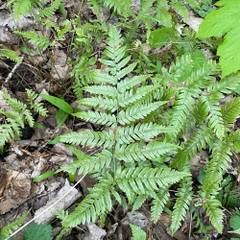
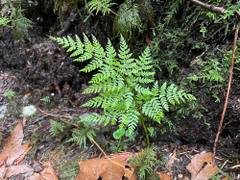
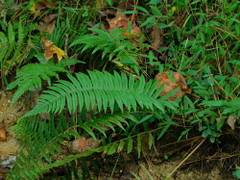
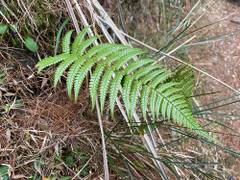
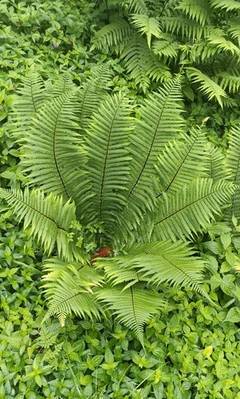
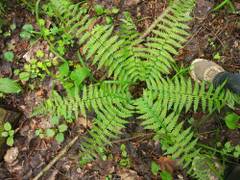
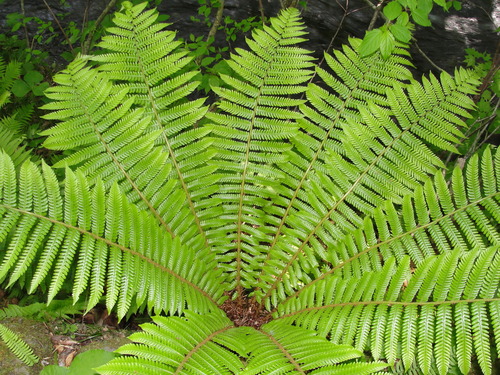
Dryopteris crassirhizoma is a large upright vase-shaped semi-evergreen fern in the wood-fern family (Dryopteridaceae) reaching 24–36 inches (60–90 cm) tall with a spread of 24–36 inches (60–90 cm). This East Asian species forms a stout erect crown — the specific epithet 'crassirhizoma' references this thick-rhizome structure — from which the bipinnate fronds emerge in a symmetrical vase-shaped rosette. Fronds are 24–36 inches (60–90 cm) long and 8–12 inches (20–30 cm) wide, medium to dark green, with a firm leathery texture that separates this species from the thinner-frond wood ferns in cultivation. New fiddleheads in spring are densely covered in cinnamon-brown to golden-brown scales, producing a spring ornamental feature that precedes the frond expansion by 2–3 weeks. Fronds are bipinnate with broad triangular pinnae. The plant is semi-evergreen: fronds persist through mild winters but tatter by late winter in cold-zone gardens and are removed before new growth starts. Growth rate is moderate. The thick crown develops a short stocky trunk 4–6 inches (10–15 cm) tall over 5–8 growing seasons. Hardy to zone 4.
Native Range
Dryopteris crassirhizoma is native to eastern Asia (Japan, Korea, northeastern China, and the Russian Far East), where it occurs in moist mountain forests and rocky woodland margins.Suggested Uses
Grown in shade gardens, woodland borders, and foundation plantings at 24–30 inch (60–75 cm) spacing. The large vase-shaped form carries architectural structure in shade compositions where few other plants match the scale. Cinnamon-brown fiddleheads add spring interest at a time when most shade perennials have not yet emerged. Functions as a specimen fern or in groups of 3–5 plants. Pairing with Hosta cultivars, Astilbe, and other shade perennials builds a layered shade-garden composition. Deer resistance suits woodland plantings in high-pressure garden sites. Full-sun positions, dry soils, and poorly-drained planting sites are not suitable given the moisture and shade requirements.How to Identify
Appearance
Size & Dimensions
Height2' - 3'
Width/Spread2' - 3'
Bloom Information
Ferns do not flower. Sori (spore-producing structures) appear as round clusters on the undersides of fertile fronds in summer, covered by kidney-shaped indusia. New fiddleheads emerge in spring densely covered in cinnamon-brown to golden-brown scales that hold through the 2–3 week unfurling period and fade as the fronds expand to full size.
Detailed Descriptions
Foliage Description
Medium to dark green firm leathery bipinnate fronds; cinnamon-brown to golden-brown scaled fiddleheads in springGrowing Conditions
Sun Requirements
Requires 2-4 hours of direct sunlight daily
• Full Sun: 6+ hours of direct sunlight
• Partial Shade: 3-6 hours of direct sunlight
• Full Shade: Less than 3 hours of direct sunlight
Care & Maintenance
Care Guide
Grows in partial to full shade in moist well-drained humus-rich soil at pH 5.5–7.0, tolerating loam. Hardy to zone 4. Consistent moisture is required through the growing season. The species tolerates more drought than many wood ferns once established, but the fronds read more vigorously in consistently moist soil than in drier planting contexts. Old tattered fronds are removed in late winter before new fiddleheads emerge to clear space for the spring crosier display. No serious pest or disease problems. Deer-resistant, which positions this fern for planting in wooded-lot gardens where deer pressure eliminates most non-fern shade perennials.Pruning
Old tattered fronds are removed in late winter (February–March) before the new fiddleheads emerge. New crosiers are never cut back — the cinnamon-brown scaled fiddleheads are the spring ornamental feature and direct removal eliminates the display. No other maintenance is required through the growing season.Pruning Schedule
Prune: February–March
winterearly spring
Container Growing
Suitable for container growing
Minimum container size: 5 gallons