Image 1 of 18
1 / 18
Plant Reference
Dryopteris, Genus, erythrosora, Species,
- Genus & species
autumn fern
Eastern Asia — Japan, China, Korea, and Taiwan; moist deciduous and mixed forests at low to mid elevations
Overview
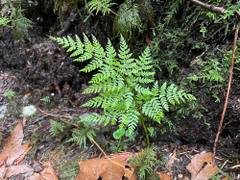
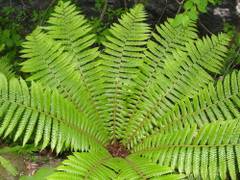
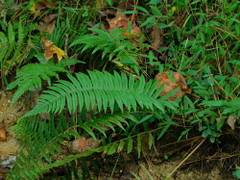
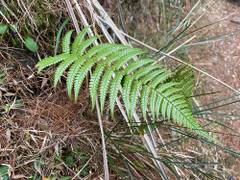
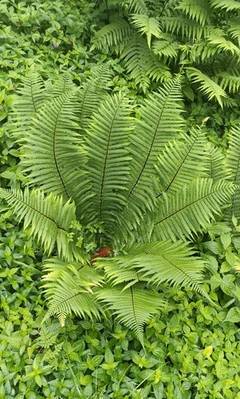
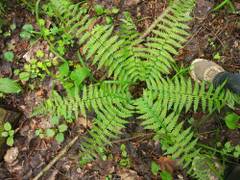
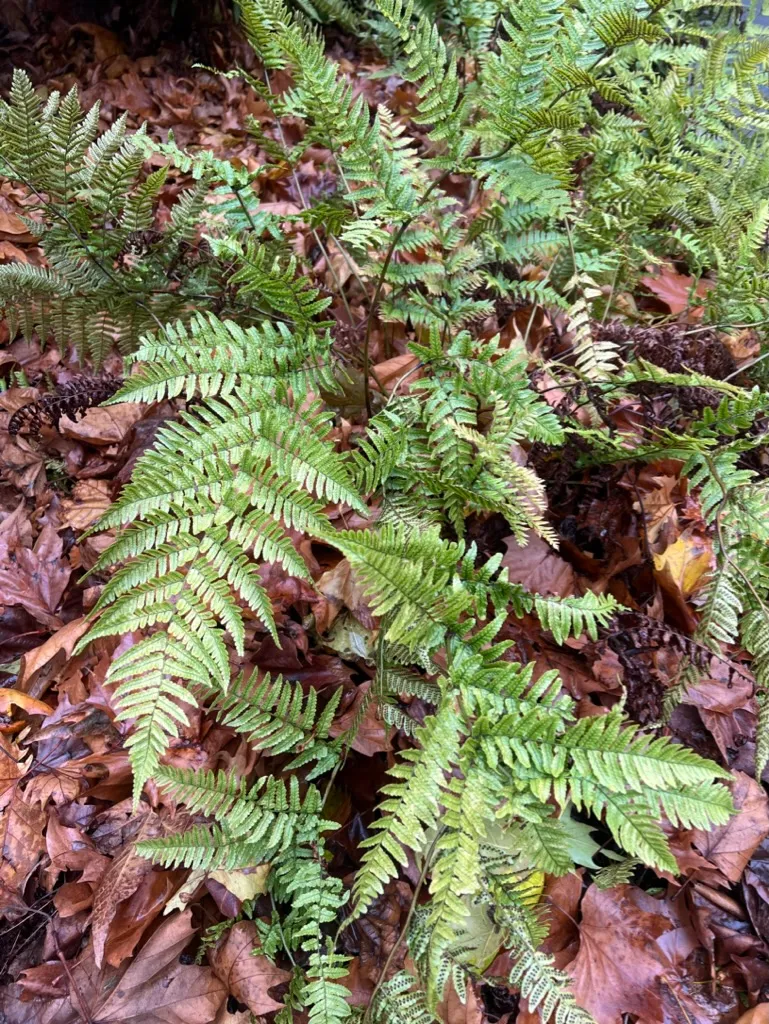
Dryopteris erythrosora is autumn fern (Japanese shield fern), a clumping evergreen fern growing 18-24 inches (45-60 cm) tall and 24-36 inches (60-90 cm) wide. Bipinnate triangular fronds 18-24 inches (45-60 cm) emerge coppery-red to bronze and mature to deep glossy green. New copper-red fronds emerge in spring and intermittently through summer, creating a two-toned effect with the green mature fronds. Red-orange sori on frond undersides year-round. In Dryopteridaceae. Erythrosora = red sori. Native to eastern Asia — Japan, China, Korea, and Taiwan. Evergreen in zones 6-9 — fronds may tatter in zone 5 winters. One of the more drought-tolerant ferns once established — tolerates occasional dry spells in shade. Prolonged drought causes frond curl and scorch. Not drought-tolerant in sun. The copper new-frond color fades to green within 2-3 weeks of each flush — the color display depends on repeated new growth flushes stimulated by consistent moisture. Deer-resistant. Non-toxic. Zones 5-9. Part shade to full shade. Growth rate is moderate.
Native Range
Native to eastern Asia — Japan, China, Korea, and Taiwan. Found in moist deciduous and mixed forests at low to mid elevations.Suggested Uses
Grown in shade borders, woodland gardens, and in containers of at least 3 gallons (11 L), spaced 24-36 inches (60-90 cm). Copper new fronds. Evergreen. More drought-tolerant than most ferns. Non-toxic. Zones 5-9.How to Identify
Appearance
Size & Dimensions
Height1'6" - 2'
Width/Spread2' - 3'
Reproduction
Red-orange sori on frond undersides visible year-round.
Detailed Descriptions
Foliage Description
Coppery-red to bronze on new fronds (emerging in spring and intermittently through summer), maturing to deep glossy green; bipinnate, triangular, 18-24 inches (45-60 cm); the copper-red new fronds contrast with the green mature fronds for a two-toned effect throughout the growing season; red-orange sori (spore clusters) on the frond undersides are visible year-roundGrowing Conditions
Sun Requirements
Requires 1-4 hours of direct sunlight daily
• Full Sun: 6+ hours of direct sunlight
• Partial Shade: 3-6 hours of direct sunlight
• Full Shade: Less than 3 hours of direct sunlight
Care & Maintenance
Care Guide
Part shade to full shade (1-4 hours). Moist humus-rich soil pH 5.5-7.0. More drought-tolerant than most ferns once established (in shade). Prolonged drought causes frond curl. Evergreen zones 6-9. Cut tattered fronds in early spring (March). Deer-resistant. Non-toxic. Zones 5-9.Pruning
Cut old tattered fronds to the ground in early spring (March) before new croziers emerge. No other pruning needed.Pruning Schedule
Prune: March
early spring
Container Growing
Suitable for container growing
Minimum container size: 3 gallons