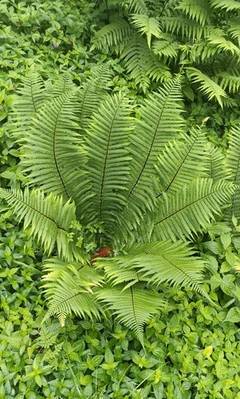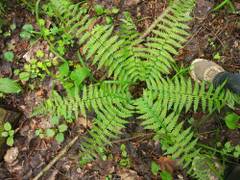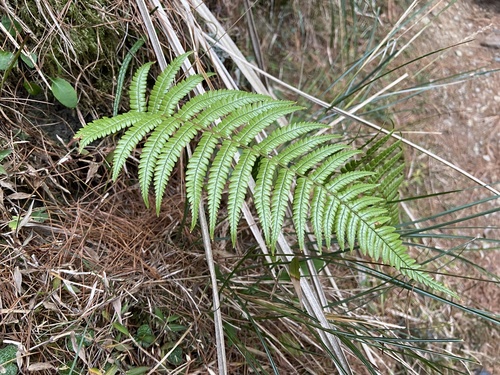
Dryopteris, Genus, lepidopoda, Species,
- Genus & species
sunset fern
Southwestern China (Yunnan, Sichuan, Guizhou) and Himalayan regions (moist shaded mountain forests at 5,000-9,000 feet)
Overview
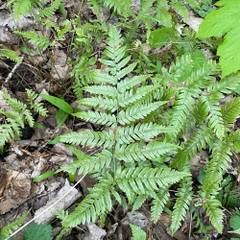
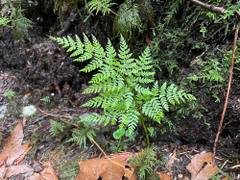
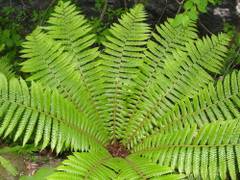
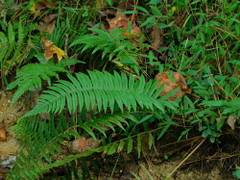
Dryopteris lepidopoda is a compact arching semi-evergreen to evergreen fern in the wood-fern family (Dryopteridaceae) reaching 18–24 inches (45–60 cm) tall with a spread of 18–24 inches (45–60 cm). This Chinese species is separated from other commonly-grown Dryopteris by the copper-orange to reddish-bronze new fronds that emerge in spring — a warm color uncommon among cultivated wood ferns, which mostly emerge in greens or the dark-stemmed range. The new growth gradually matures to dark green over 3–5 weeks, producing a bicolor display of copper new fronds against green mature fronds through the spring and into early summer as successive fiddleheads unfurl. Fronds are bipinnate, 12–24 inches (30–60 cm) long and 6–8 inches (15–20 cm) wide, with an arching habit that separates this species from the stiffer vase-shaped wood ferns. Stipes are green with scattered light-brown scales. The plant is semi-evergreen to evergreen in mild climates (zone 7+). Growth rate is moderate. More compact and more arching than D. crassirhizoma. Hardy to zone 6.
Native Range
Dryopteris lepidopoda is native to southwestern China (Yunnan, Sichuan, Guizhou) and adjacent regions of the Himalayas, where it occurs in moist shaded mountain forests at 5,000–9,000 feet (1,500–2,700 m).Suggested Uses
Grown in shade gardens and woodland borders at 18–24 inch (45–60 cm) spacing. The copper-orange new growth adds warm color not available from most shade plants, which typically hold to green and occasional silver tones. Pairing with blue-green Hosta cultivars, silver-toned ferns such as Athyrium niponicum 'Pictum', and dark-leaved Heuchera cultivars produces a layered color composition that builds off this species warm-toned new growth. Container culture works in 3 gallon (11 L) or larger pots. The compact 18–24 inch mature size suits smaller shade gardens where larger wood ferns would overwhelm the bed. Deer-resistant. Full-sun positions, dry soils, and cold zones below 6 are not suitable given the shade-adapted frond structure and the borderline cold-hardiness.How to Identify
Appearance
Size & Dimensions
Height1'6" - 2'
Width/Spread1'6" - 2'
Bloom Information
Ferns do not flower. Sori appear as round clusters on the undersides of fertile fronds in summer. The primary ornamental display is the copper-orange new frond growth in spring and intermittently through the growing season as successive fiddleheads emerge; the spring emergence carries the richest color, and later-season new growth reads slightly less intense but still carries the bicolor effect against mature green fronds.
Detailed Descriptions
Foliage Description
Copper-orange to reddish-bronze new growth maturing to dark green; bipinnate arching frondsGrowing Conditions
Sun Requirements
Requires 2-4 hours of direct sunlight daily
• Full Sun: 6+ hours of direct sunlight
• Partial Shade: 3-6 hours of direct sunlight
• Full Shade: Less than 3 hours of direct sunlight
Care & Maintenance
Care Guide
Grows in partial to full shade in moist well-drained humus-rich soil at pH 5.5–7.0, tolerating loam. Hardy to zone 6. Consistent moisture is required through the growing season. The copper-orange new growth color reads most vividly in spring when cool temperatures slow the chlorophyll shift that eventually greens the young fronds. Semi-evergreen to evergreen in zone 7 and warmer — fronds persist through winter and provide off-season ground-level interest. Old tattered fronds are removed in late winter before new copper-orange fiddleheads emerge. No serious pest or disease problems. Deer-resistant.Pruning
Old tattered fronds are removed in late winter before new copper-orange fiddleheads emerge. No other maintenance is required through the growing season. New crosiers are never cut back — the copper-orange unfurling is the species primary ornamental feature.Pruning Schedule
Prune: February–March
winterearly spring
Container Growing
Suitable for container growing
Minimum container size: 3 gallons