Dryopteris, Genus, cycadina, Species,
- Genus & species
shaggy wood fern
East Asia (Japan, China, Taiwan, Himalayas; moist shaded mountain forests)
Overview
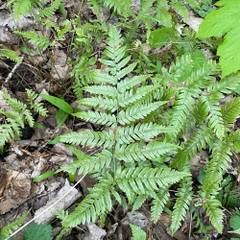
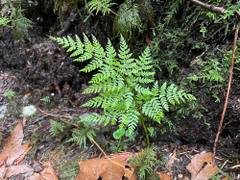
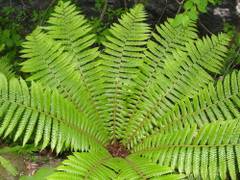
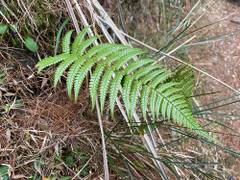
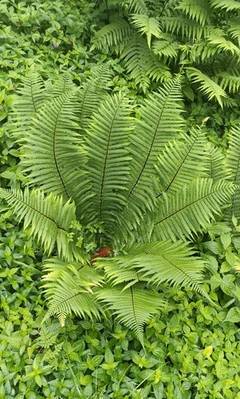
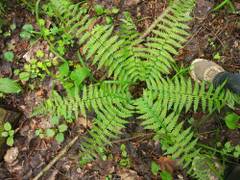
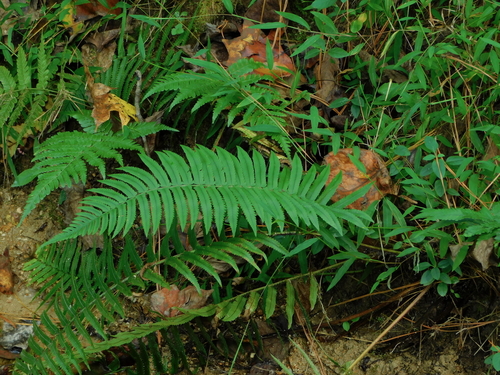
Dryopteris cycadina (syn. D. atrata) is an upright, vase-shaped, semi-evergreen fern reaching 24–30 inches (60–75 cm) tall with a spread of 18–24 inches (45–60 cm). This East Asian species is distinguished by its dark, almost black stipes (leaf stalks) and rachises, which contrast with the medium to dark green pinnae—giving the fronds a bold, graphic quality. The fronds are once-pinnate, 18–30 inches (45–75 cm) long and 6–8 inches (15–20 cm) wide, with narrowly lance-shaped pinnae that taper to a point. New fiddleheads are densely covered in dark brown to near-black scales—darker than D. crassirhizoma. The fronds are narrower and more lance-shaped in outline than D. crassirhizoma. Semi-evergreen: fronds persist through mild winters. Growth rate is moderate. The dark stipes and narrow fronds create a more refined, vertical texture than broader wood ferns. Hardy to zone 5.
Native Range
Dryopteris cycadina is native to East Asia (Japan, China, Taiwan, Himalayas), in moist, shaded mountain forests and rocky slopes.Suggested Uses
Planted in shade gardens and woodland borders at 18–24 inch (45–60 cm) spacing. The dark stipes create a bold, graphic contrast with green pinnae—pair with lighter-colored ferns and foliage for emphasis. Functions as a specimen or in groups. The narrower fronds fit tighter spaces than D. crassirhizoma. Deer-resistant. Not suitable for full sun, dry soils, or exposed windy sites.How to Identify
Appearance
Size & Dimensions
Height2' - 2'6"
Width/Spread1'6" - 2'
Bloom Information
Ferns do not flower. Sori appear as round clusters on the undersides of fertile fronds in summer, covered by kidney-shaped indusia. New fiddleheads emerge in spring densely covered in dark brown to near-black scales.
Detailed Descriptions
Foliage Description
Medium to dark green pinnae on dark near-black stipes; once-pinnateGrowing Conditions
Sun Requirements
Requires 2-4 hours of direct sunlight daily
• Full Sun: 6+ hours of direct sunlight
• Partial Shade: 3-6 hours of direct sunlight
• Full Shade: Less than 3 hours of direct sunlight
Care & Maintenance
Care Guide
Plant in partial to full shade in moist, well-drained, humus-rich soil. Consistent moisture. Hardy to zone 5. Remove tattered old fronds in late winter before new growth. No serious pest or disease problems. Deer-resistant.Pruning
Remove old, tattered fronds in late winter before new fiddleheads emerge. No other maintenance required.Pruning Schedule
Prune: February–March
winterearly spring
Container Growing
Suitable for container growing
Minimum container size: 3 gallons