Dryopteris, Genus, filix-mas, Species,
- Genus & species
male fern
Circumboreal — throughout the Northern Hemisphere including Europe, Asia, and North America
Overview
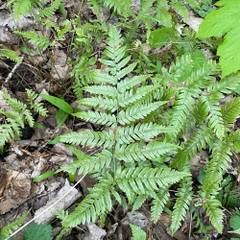
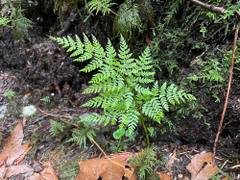
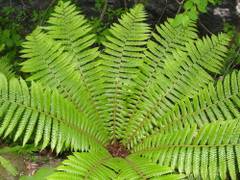
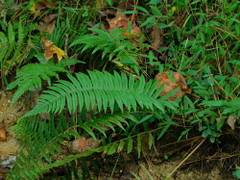
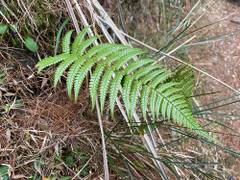
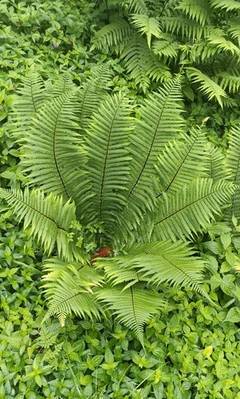
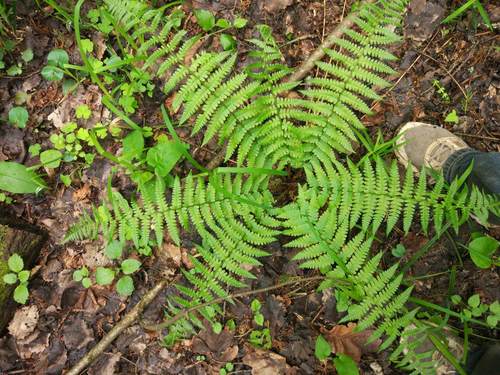
Dryopteris filix-mas is a long-cultivated European woodland fern, a robust species that grows 24–48 inches (60–120 cm) tall and 24–36 inches (60–90 cm) wide from a stout, scaly crown. The species name 'filix-mas' means 'male fern', paired historically with the lady fern (Athyrium filix-femina) — the male fern has coarser, more robust fronds while the lady fern has finer, more delicate ones. Medium to dark green pinnate to bipinnate leathery fronds form an upright, shuttlecock-shaped clump. The pinnae have rounded, bluntly toothed edges — coarser than the finely cut lady fern but smoother than the spiny holly fern. The fronds are semi-evergreen in mild winters, persisting in green condition through zone 6–7 winters and browning in colder areas. The species has a circumboreal distribution, occurring throughout the Northern Hemisphere. It is a highly adaptable and trouble-tolerant fern for temperate gardens, growing in a wider range of soil types (including clay and alkaline), light levels, and moisture conditions than most ferns. Once established, it tolerates brief dry periods without immediate browning. The rhizome and frond bases contain filicin, a toxic compound historically used in medicine as a treatment for intestinal parasites. The clumping habit does not spread aggressively. Deer rarely browse ferns.
Native Range
Dryopteris filix-mas has a circumboreal distribution, native throughout the Northern Hemisphere — Europe, Asia, and North America. It grows in moist to mesic forests, rocky slopes, and woodland edges on a range of soil types.Suggested Uses
Used in woodland gardens, shade borders, and naturalized plantings as a reliable, low-maintenance structural fern. The adaptability to clay, alkaline soil, and periodic drought suits this species to challenging sites where other ferns would fail. Container culture in pots of 7 gallons (26 L) or more. A long-established backbone fern for European-style and mixed shade plantings.How to Identify
Appearance
Size & Dimensions
Height2' - 4'
Width/Spread2' - 3'
Colors
Foliage Colors
Fall Foliage Colors
Reproduction
Kidney-shaped sori with kidney-shaped indusia on the undersides of fertile fronds in midsummer — the indusium shape is a key Dryopteris diagnostic.
Detailed Descriptions
Foliage Description
Medium to dark green, pinnate to bipinnate, leatheryGrowing Conditions
Sun Requirements
Requires 2-5 hours of direct sunlight daily
• Full Sun: 6+ hours of direct sunlight
• Partial Shade: 3-6 hours of direct sunlight
• Full Shade: Less than 3 hours of direct sunlight
Care & Maintenance
Care Guide
Plant in partial to full shade with 2–5 hours of filtered light. Moist, humus-rich soil supports the strongest growth, but the species tolerates clay, alkaline, and drier conditions better than most ferns. Water during extended drought. Mulch with leaf mold. Tattered fronds can be removed in early spring. The rhizome is toxic if ingested.Pruning
Tattered or winter-damaged fronds can be removed in early spring before new fiddleheads emerge. No other maintenance needed.Pruning Schedule
Prune: March
early spring
Container Growing
Suitable for container growing
Minimum container size: 7 gallons