Dryopteris, Genus,
- Genus
wood ferns
Temperate Northern Hemisphere; centers in eastern Asia, Europe, North America
Overview
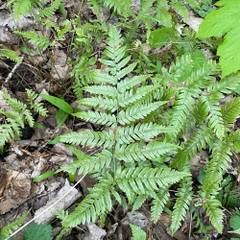
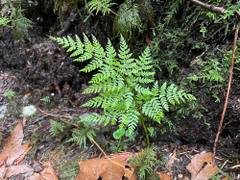
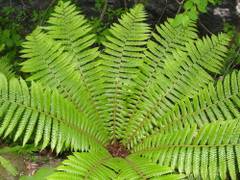
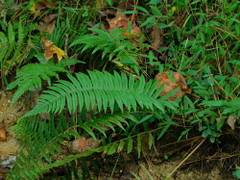
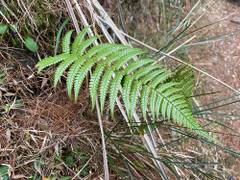
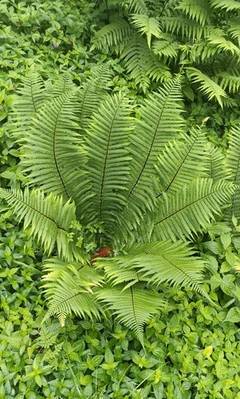
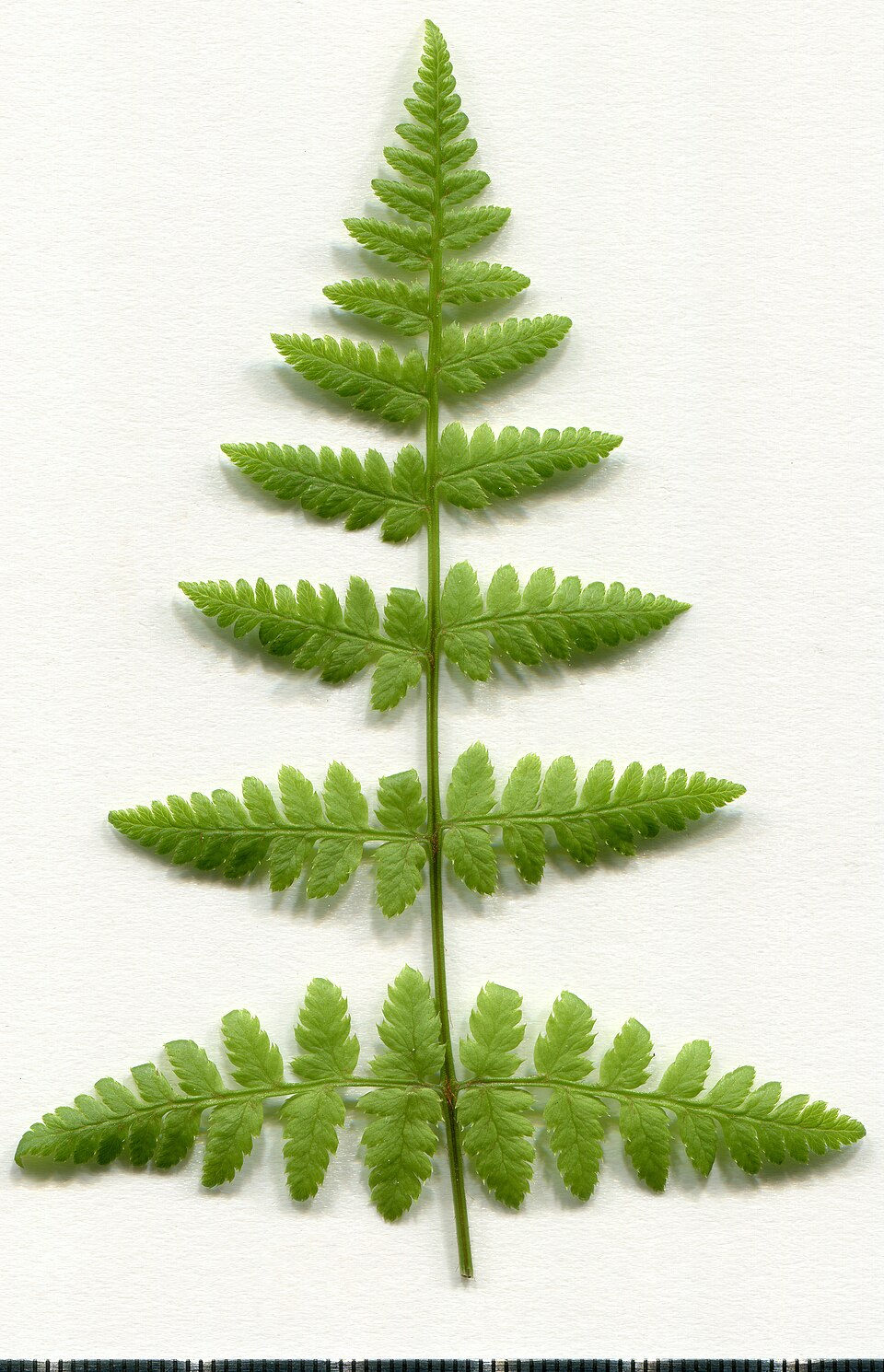
Dryopteris is a genus of roughly 250 to 400 species of ferns in the family Dryopteridaceae, known as wood ferns or buckler ferns. Most form a tight clump from a stout, ascending rhizome, with fronds arranged in a circular, shuttlecock-like rosette 12 inches to 5 feet (30 to 150 cm) tall depending on species. The fronds are typically lance-shaped to triangular and once to three times divided, in shades of green, with new spring growth of some species, such as autumn fern (D. erythrosora), flushed coppery orange or red. The leaf stalks are usually clothed in papery brown scales. Like all ferns, Dryopteris bears no flowers and reproduces by spores, carried in round clusters protected by a kidney-shaped flap on the frond undersides. The genus is concentrated in the temperate Northern Hemisphere, with rich representation in eastern Asia, Europe, and North America, growing in shaded, moist woodland, on rocky slopes, and along stream banks. Many species are clump-forming and slow to spread, and several hybridize where their ranges overlap. The rhizomes of male fern (D. filix-mas) contain filicin compounds that are toxic to people and animals if eaten.
Native Range
Dryopteris is most diverse in the temperate and subtropical Northern Hemisphere, with major centers in eastern Asia, especially China and Japan, as well as Europe and North America; a smaller number of species occur in tropical mountains and the Southern Hemisphere. Plants grow in moist, shaded deciduous and mixed woodland, on shaded rock, in ravines, and along streamsides.Suggested Uses
Dryopteris is planted in shade and woodland gardens, along the north side of buildings, in fern borders, and beside water features, spaced 18 to 36 inches (45 to 90 cm) apart. The clumping habit and upright fronds suit underplanting beneath shrubs and trees and mixing with hostas and other shade perennials. Several species hold structure and color into winter in mild regions.How to Identify
Appearance
Size & Dimensions
Height1' - 5'
Width/Spread1'6" - 3'
Bloom Information
As ferns, Dryopteris produce spores rather than flowers. Spore clusters ripen on the undersides of fertile fronds from mid summer into autumn, the kidney-shaped covers drying and lifting to release brown spores. New fronds, called fiddleheads, unfurl in spring and in several species emerge bronze, copper, or red before turning green. There is no floral display at any season.
Detailed Descriptions
Foliage Description
green, with coppery, bronze, or red new growth in some speciesGrowing Conditions
Sun Requirements
Tolerates up to 4 hours of direct sunlight daily
• Full Sun: 6+ hours of direct sunlight
• Partial Shade: 3-6 hours of direct sunlight
• Full Shade: Less than 3 hours of direct sunlight
Care & Maintenance
Care Guide
Dryopteris grows in partial to full shade and moist, humus-rich, well-drained soil at a pH of 5.0 to 7.0, though many species tolerate short dry spells once established. Plants are set with the crown at soil level and mulched with leaf litter to keep roots cool and damp. Most species are cold hardy to USDA zones 4 to 9, and the semi-evergreen kinds hold fronds through mild winters. Few pests trouble them, but crown rot follows waterlogged soil. Old fronds are cleared in late winter before the new fiddleheads rise. The rhizomes of some species are toxic if eaten.Pruning
Dryopteris needs little pruning. Deciduous species are cut to the ground in late winter or early spring before the new fronds unfurl, and semi-evergreen species have only their tattered or winter-browned fronds removed at that time. Spent or damaged fronds can be trimmed at the base through the season.Pruning Schedule
Prune: February–March
winterearly spring
Container Growing
Suitable for container growing
Minimum container size: 3 gallons