Digitalis, Genus,
- Genus
foxglove
{D. purpurea}: western Europe (Portugal to Scandinavia), naturalized in Pacific Northwest; {D. grandiflora}: central/eastern Europe and western Asia
Overview
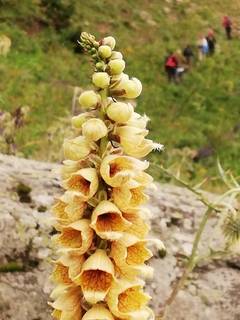
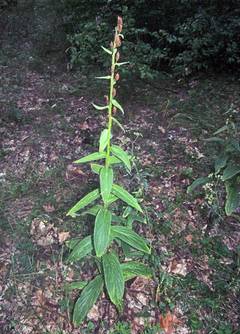
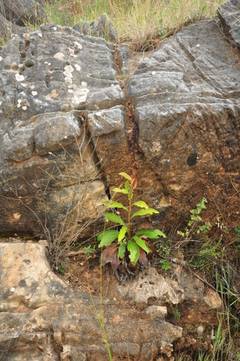
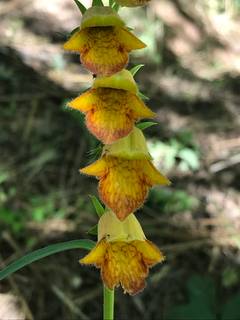
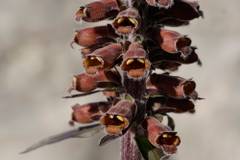
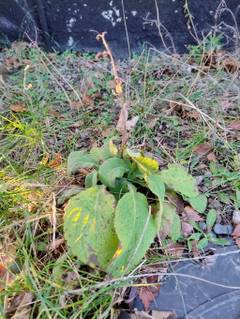
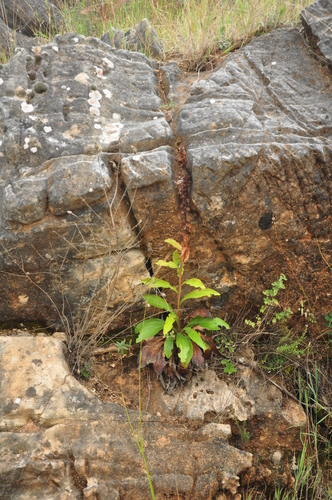
Digitalis is a genus of approximately 20 species, most commonly grown as biennials, reaching 36-72 inches (90-180 cm) tall and 12-18 inches (30-45 cm) wide. One-sided racemes of pendant tubular flowers, 2-3 inches (5-7 cm), with spotted throats appear in pink, purple, white, cream, yellow, or apricot from late spring to midsummer. The biennial life cycle runs: a basal rosette of fuzzy lance-shaped leaves in year 1, a tall flower stalk in year 2, then the plant dies after setting seed. Self-sowing is free and is the primary method of maintaining foxglove populations, since each individual plant is biennial. D. purpurea (common foxglove — purple, pink, or white) is the standard species in cultivation and is naturalized throughout the Pacific Northwest, colonizing roadsides, clearcuts, and woodland edges. D. grandiflora (large yellow foxglove) is a true perennial that does not die after flowering. In the plantain family (Plantaginaceae), formerly Scrophulariaceae. All parts contain cardiac glycosides (digitoxin, digoxin) — the historical source of the heart drug digitalis, first described by William Withering in 1785. Toxicity is high — ingestion of any part can cause cardiac arrhythmia. Hummingbird-visited. Consistent moisture is required. Deer-resistant (toxic). This entry represents the genus.
Native Range
D. purpurea: western Europe (Portugal to Scandinavia), naturalized in the Pacific Northwest. D. grandiflora: central and eastern Europe and western Asia.Suggested Uses
Grown in shade borders and woodland edges, spaced 12-18 inches (30-45 cm) apart, in zones 4-9. Self-sows to maintain the biennial population. D. grandiflora for a true perennial alternative. All parts are highly toxic (cardiac glycosides). Hummingbird-visited. Deer-resistant. Containers of at least 3 gallons (11 L) are suitable.How to Identify
Appearance
Size & Dimensions
Height3' - 6'
Width/Spread1' - 1'6"
Bloom Information
Detailed Descriptions
Flower Description
pink, purple, white, cream, yellow, or apricot (varies by species); tubular, pendant, 2-3 inches (5-7 cm), with spotted throats; in one-sided terminal racemesFoliage Description
medium green, fuzzy, lance-shaped to oblong, 6-12 inches (15-30 cm), in a basal rosette (first year) with a tall flower stalk (second year)Growing Conditions
Sun Requirements
Requires 3-8 hours of direct sunlight daily
• Full Sun: 6+ hours of direct sunlight
• Partial Shade: 3-6 hours of direct sunlight
• Full Shade: Less than 3 hours of direct sunlight
Care & Maintenance
Care Guide
Site in partial shade to full sun (3-8 hours direct sun) in moist well-drained soil with a pH of 5.5-7.0. Consistent moisture is required. Biennial — self-sowing is allowed to run to maintain the population from year to year. All parts contain cardiac glycosides (digitalis) and are highly toxic to pets and humans. D. grandiflora is a true perennial alternative for gardeners who want a longer-lived plant. Deer-resistant. Hardy in zones 4-9.Pruning
Seed heads are left to mature for self-sowing (the biennial plant dies after flowering — self-sowing maintains the population). The dead stalk is cut after seed dispersal. The stalk is removed before seed set if self-sowing is not wanted.Pruning Schedule
Prune: July
summer
Container Growing
Suitable for container growing
Minimum container size: 3 gallons