Image 1 of 15
1 / 15
Plant Reference
Digitalis, Genus, purpurea, Species,
- Genus & species
common foxglove
Western and southern Europe; naturalized in North America, New Zealand, and Australia
Overview
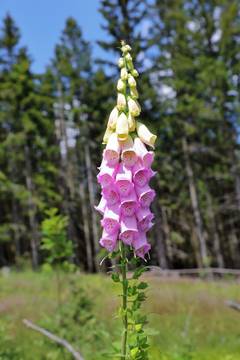
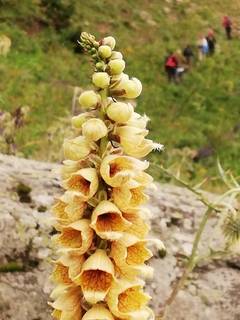
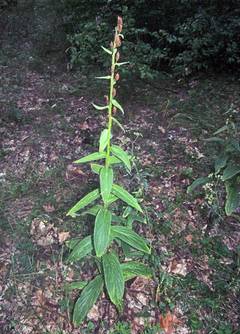
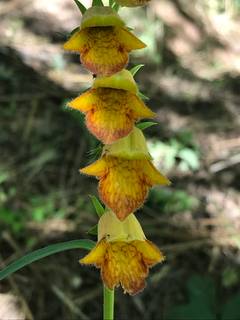
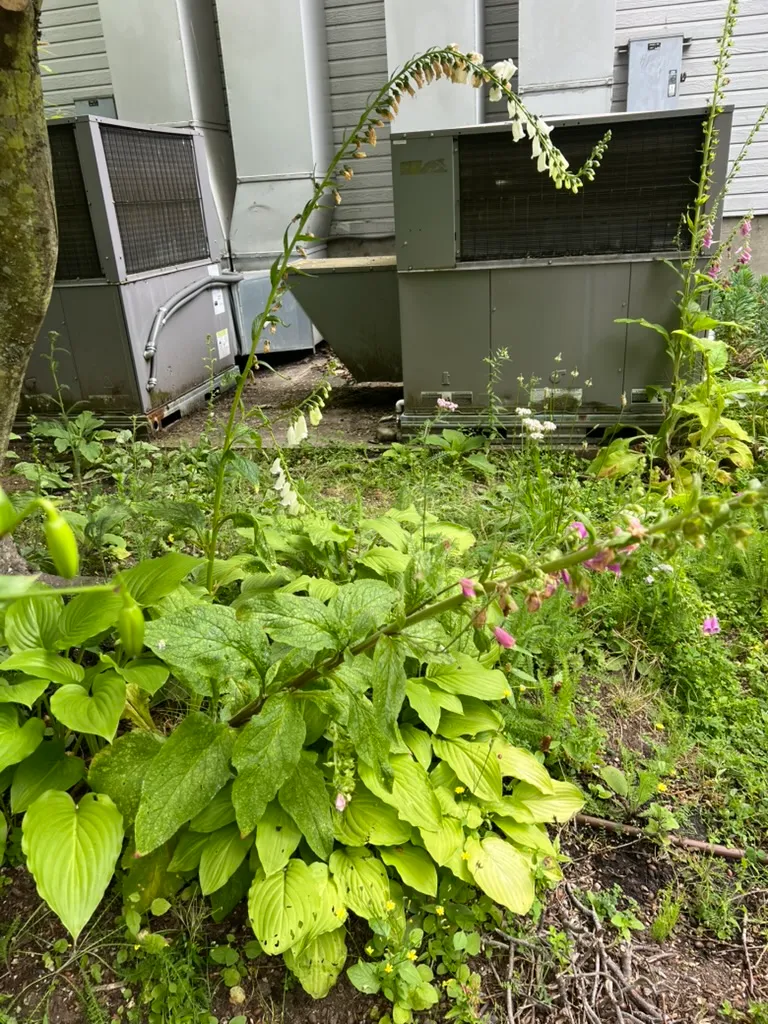
Digitalis purpurea is a biennial or short-lived perennial reaching 3–6 feet (90–180 cm) tall in flower with a basal rosette spread of 18–24 inches (45–60 cm). In the first year from seed, the plant produces a flat basal rosette of large, soft, ovate leaves 4–12 inches (10–30 cm) long, covered in dense gray-white hairs on the undersides and a rough, wrinkled texture on top. In the second year, erect flower spikes rise 3–6 feet (90–180 cm) carrying one-sided racemes of pendulous, tubular flowers 1.5–2.5 inches (4–6 cm) long in purple, pink, rose, lavender, white, or cream; the flower interior is typically spotted with contrasting dark purple or maroon markings that serve as nectar guides for bee pollinators. Flowers open progressively from the base of the spike to the tip over 4–6 weeks. After flowering, second-year plants set abundant seed (up to 2 million seeds per mature plant) and typically die; self-sown seedlings germinate in late summer or fall and overwinter as rosettes to bloom the following year. All parts contain cardiac glycosides—digoxin, digitoxin, and related compounds—that are the source of the cardiac medication digitalis. Human fatalities from accidental ingestion have been documented in medical literature; the toxicity is genuine and not merely a mild irritant. The species has naturalized across temperate North America, New Zealand, and Australia, where it colonizes roadsides, clearcuts, and disturbed woodland ground.
Native Range
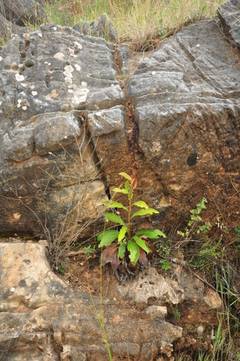
Native to western and southern Europe, from Scandinavia south through the British Isles, France, Spain, Portugal, and Morocco, and east to central Europe, growing in woodland clearings, heathland margins, roadsides, and disturbed ground on acidic soils. Naturalized across much of temperate North America (particularly the Pacific Northwest), New Zealand, and Australia. In naturalized populations, the species functions as an early-successional colonist of disturbed sites and is gradually shaded out as forest canopy closes over 10–20 years.Suggested Uses
Planted in woodland gardens, cottage gardens, and naturalized settings at 18–24 inch (45–60 cm) spacing. The species suits informal, naturalistic plantings where self-seeding can be permitted and the ephemeral biennial cycle is acceptable. Paired with ferns, hostas, astilbes, and other shade-tolerant perennials, the tall spikes provide strong vertical accent in June borders. In formal plantings where predictability matters, the biennial habit is a poor match because individual plants do not persist—replacement plantings must be installed annually. Pollinator value is substantial: the long tubular flowers support queen bumblebees of several species during the colony-establishment phase when workers have not yet emerged, and the spotted interiors function as visual nectar guides.How to Identify
Appearance
Size & Dimensions
Height3' - 6'
Width/Spread1'6" - 2'
Bloom Information
Flower spikes bloom May through July in the second year from seed, or in the first year from transplants started 10–12 weeks early under grow lights. Spikes open from the base upward over 4–6 weeks with the full spike in peak flower for 2–3 weeks. Plants set seed abundantly after flowering and typically die in late summer; seedlings germinate in late summer or fall and overwinter as rosettes to flower the following year.
Detailed Descriptions
Flower Description
Purple, pink, rose, lavender, white, or cream with dark spotted throatsFoliage Description
Gray-green, soft, hairy, ovate; rosette in year 1Growing Conditions
Sun Requirements
Requires 2-8 hours of direct sunlight daily
• Full Sun: 6+ hours of direct sunlight
• Partial Shade: 3-6 hours of direct sunlight
• Full Shade: Less than 3 hours of direct sunlight
Care & Maintenance
Care Guide
Seed is started indoors 10–12 weeks before last frost, or sown outdoors in summer for flowering the following year. Transplant or sow into partial shade to full sun in moist, humus-rich, well-drained acidic soil with a pH of 5.5–6.5. Regular watering through dry periods is essential; plants decline rapidly in dry conditions and the flower spike may abort. Self-sowing carries the colony forward indefinitely in suitable conditions; a single second-year plant produces enough seed to populate a 200–400 square foot area over several generations. Fertilizer is not required on fertile soils. All parts contain cardiac glycosides and are genuinely toxic to humans, dogs, cats, horses, and livestock; handling during deadheading and cleanup is done with gloves as a practical precaution, and hand-washing after contact with sap reduces any risk of transferring residues to the eyes or mouth.Pruning
Flower spikes are left in place through seed ripening if colony continuity through self-seeding is desired. Where spread requires control, the main spike is cut before seed capsules split and release seed. Side shoots sometimes produce secondary spikes after the main spike finishes—these are left in place for additional bloom through late summer. After the plant sets seed and begins to decline, the entire plant is cut to the ground; composting the debris away from the garden reduces unwanted seedling germination elsewhere.Pruning Schedule
Prune: July–August
summer