Image 1 of 16
1 / 16
Plant Reference
Digitalis, Genus, lutea, Species,
- Genus & species
yellow foxglove
Native to woodland edges, scrub, and open rocky slopes in central and southern Europe, from northern Spain and France east through the Alps, Apennines, and Balkans to western Turkey; the species is a true long-lived perennial where most {Digitalis} species are biennial; USDA zone 3 hardiness extends the planting range well north of where {D. purpurea} can overwinter
Overview
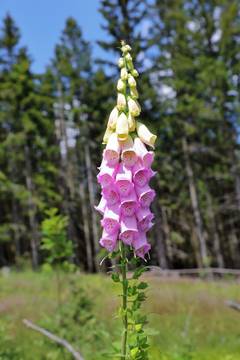
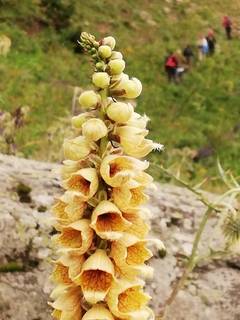
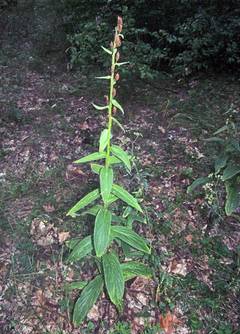
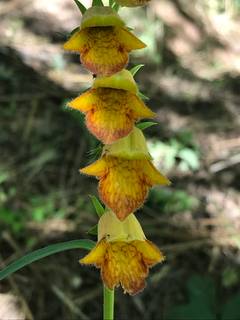
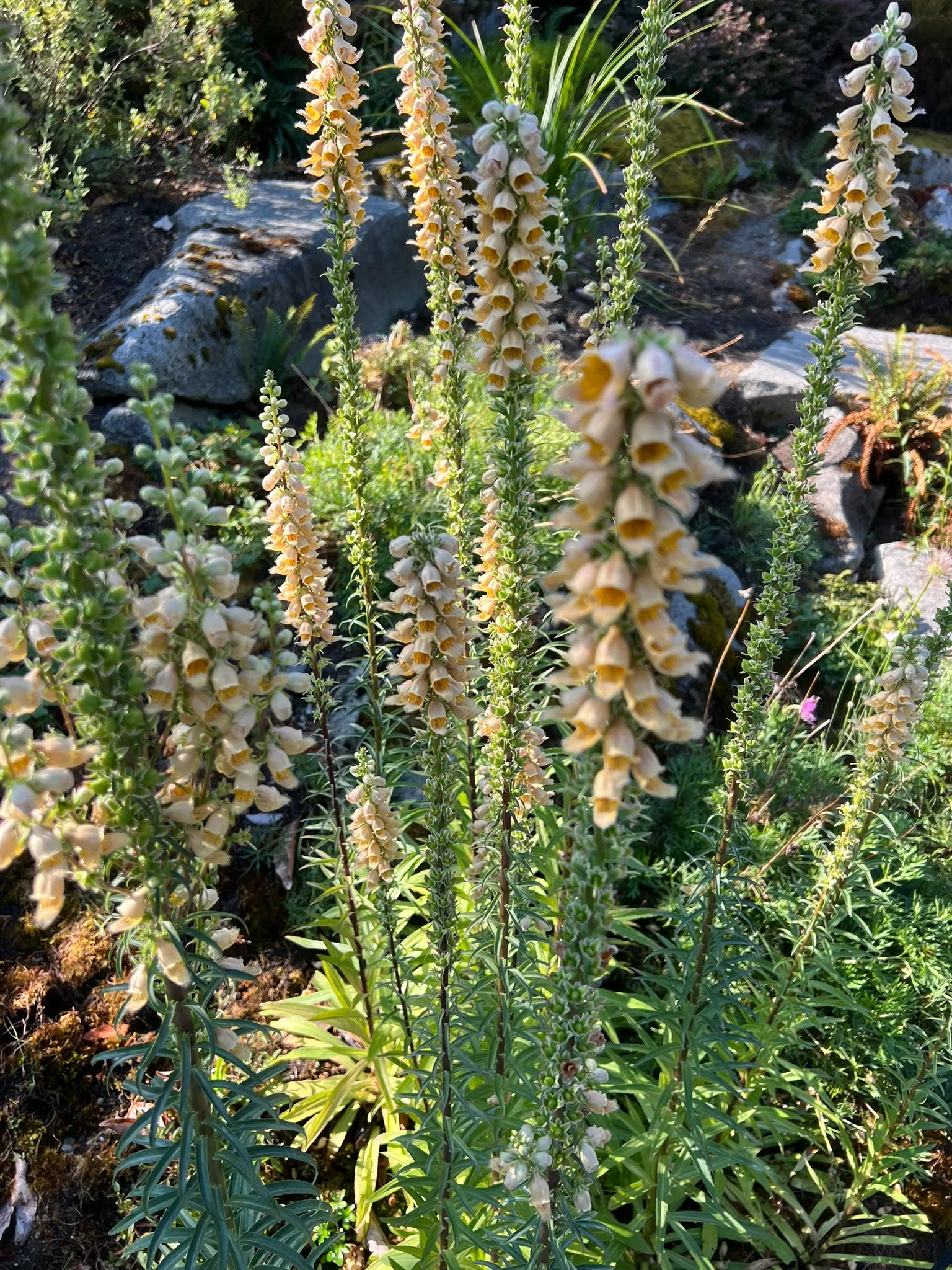
Digitalis lutea is a clump-forming perennial in the plantain family (Plantaginaceae) native to woodland edges and scrub in central and southern Europe. Plants form a basal rosette of lance-shaped dark green glossy leaves 4-8 inches (10-20 cm) long. In summer, slender upright flower spikes rise 24-36 inches (60-90 cm) carrying rows of small tubular flowers 0.75-1 inch (2-2.5 cm) long in soft pale yellow to cream, sometimes with faint brownish interior spotting. Flowers are arranged in a one-sided raceme opening from the base upward. The species is a true long-lived perennial — behavior that separates it from the common foxglove (D. purpurea), which is biennial and dies after its second-year bloom. Self-seeds modestly, building manageable colonies over time. All parts are toxic. Plants tolerate partial shade and a wider range of soil conditions than most foxgloves, handling clay soils better than the more fastidious garden foxgloves. Hardiness to USDA zone 3 places the species among the more cold-tolerant foxgloves in cultivation — most Digitalis species are limited to zone 4 or warmer.
Native Range
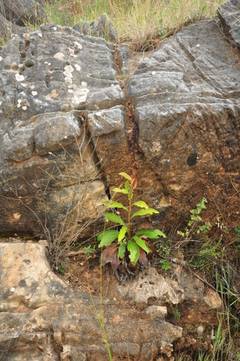
Digitalis lutea is native to woodland edges, scrub, and open rocky slopes in central and southern Europe, from northern Spain and France east through the Alps, Apennines, and Balkans to western Turkey. Grows in well-drained moderately fertile soils in partial shade to full sun at elevations from sea level to approximately 5,000 ft (1,500 m).Suggested Uses
Planted in woodland gardens, shaded borders, and naturalized areas in zones 3-8 at 18-24 inch (45-60 cm) spacing. Pairs with ferns, hostas, and shade-tolerant perennials in woodland-edge plantings. More restrained in size and self-seeding than D. purpurea, which fits the species to smaller gardens where the common foxglove would overwhelm the planting. The slender pale flower spikes give vertical interest without overpowering neighboring plants. Zone 3 cold hardiness extends the planting range into cold-winter zones where most foxgloves fail. Deer resistance matches other Digitalis species — all parts are toxic, so browsing is rare.How to Identify
Appearance
Size & Dimensions
Height2' - 3'
Width/Spread1' - 1'6"
Bloom Information
Slender one-sided racemes of small pale yellow to cream tubular flowers 0.75-1 inch (2-2.5 cm) long, June-July across a 3-4 week bloom window. Individual spikes hold flowers for 3-4 weeks, opening from the base upward. Plants rarely rebloom after the first flush but self-seeding seedlings fill in around established clumps to maintain a naturalized colony. Plants cut back after flowering sometimes produce shorter secondary spikes later in summer.
Detailed Descriptions
Flower Description
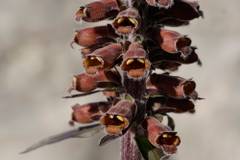
Pale yellow to cream tubular flowers 0.75-1 inch (2-2.5 cm) long with faint brownish interior spotting in some plants; arranged in one-sided racemes on slender upright spikes 24-36 inches (60-90 cm) tall; June-JulyFoliage Description
Dark green glossy lance-shaped basal leaves 4-8 inches (10-20 cm) long forming an evergreen basal rosetteGrowing Conditions
Sun Requirements
Requires 3-8 hours of direct sunlight daily
• Full Sun: 6+ hours of direct sunlight
• Partial Shade: 3-6 hours of direct sunlight
• Full Shade: Less than 3 hours of direct sunlight
Care & Maintenance
Care Guide
Grows in partial shade to full sun in well-drained moderately fertile soil at pH 5.5-7.0. Tolerates clay soils better than most foxgloves, which broadens the range of garden positions where the species can be sited. Water during establishment; established plants tolerate moderate dry periods. Waterlogged conditions cause root rot. Over-fertilizing causes lush foliage at the expense of flowering — lean conditions produce the strongest bloom. Self-seeding around the planting area builds a naturalized colony over time. Remove the basal rosette clump every 4-5 years if it becomes congested; divide and replant in spring. All parts are toxic on contact with mucous membranes, so gloves are advisable during pruning and division.Pruning
Cut spent flower spikes back to the basal rosette after bloom; leave one or two spikes in place to self-seed if naturalizing is desired. The basal rosette is evergreen and should not be cut back during the growing season. Remove dead leaves from the rosette in early spring. Plants rarely need division; clumps remain productive for many years without intervention.Pruning Schedule
Prune: March & July
early springsummer