Digitalis, Genus, ferruginea, Species,
- Genus & species
rusty foxglove
Southeastern Europe and western Asia (Italy and Balkans through Turkey to the Caucasus; open woodlands, rocky slopes, forest clearings)
Overview
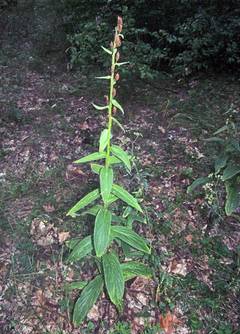
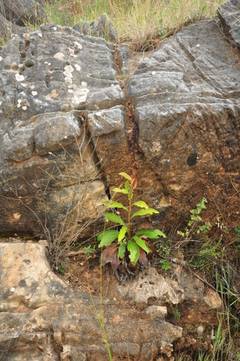
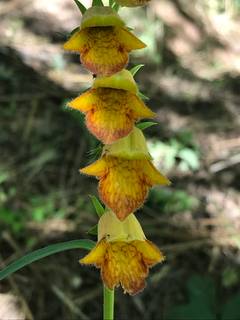
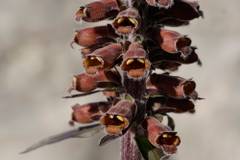
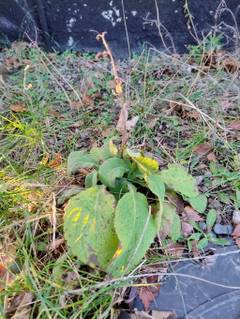
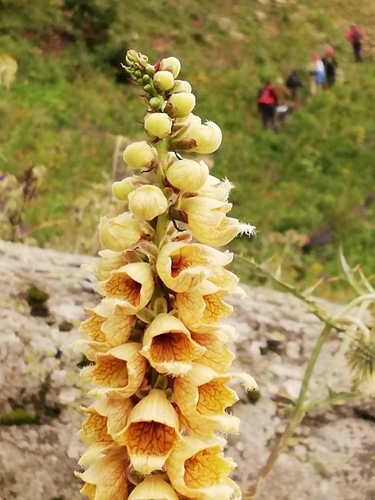
Digitalis ferruginea is an upright clumping short-lived perennial or biennial in the plantain family (Plantaginaceae) reaching 36–60 inches (90–150 cm) tall with a spread of 12–18 inches (30–45 cm). This southeastern European species carries dense columnar spikes of small tubular flowers in a rusty orange-brown to golden-brown with darker brown veining inside the lower lip — a flower color uncommon among foxgloves in cultivation, most of which bloom in pinks, purples, whites, or pale yellows. Each flower is 0.75–1 inch (2–2.5 cm) long, smaller than the 2-inch flowers of D. purpurea, but the spikes are densely packed and can reach 12–24 inches (30–60 cm) in length, which produces a more architectural vertical form than the looser D. purpurea raceme. The lower lip carries a prominent rounded protruding lobe with a dense rusty-brown beard. The basal rosette of glossy dark green lance-shaped leaves 6–10 inches (15–25 cm) long persists through the first year. The flower spike emerges in the second year (biennial pattern), though the plant can persist as a short-lived perennial in favorable conditions. Growth rate is moderate. Hardy to zone 4. All parts contain cardiac glycosides that produce serious cardiac and gastrointestinal symptoms if plant tissue is chewed or swallowed. The species self-seeds readily where soil conditions permit.
Native Range
Digitalis ferruginea is native to southeastern Europe and western Asia, from Italy and the Balkans through Turkey to the Caucasus, where it occurs in open woodlands, rocky slopes, and forest clearings.Suggested Uses
Grown in mixed borders, cottage gardens, and naturalistic plantings at 12–18 inch (30–45 cm) spacing. The rusty-brown flower color adds warm tones to borders dominated by pink, purple, and green flower and foliage colors, producing a color-contrast effect that the standard foxgloves do not provide. Drier borders and well-drained planting sites match the species tolerance profile; this species tolerates leaner and drier soils than most garden foxgloves, which expands the palette of usable foxglove contexts in xeric and rocky borders. Self-sowing maintains the colony without replanting, and seedlings transplant successfully from where they emerge. Pairing with ornamental grasses, Achillea cultivars, and bronze-toned foliage companions such as Heuchera 'Caramel' produces a warm-toned summer composition. The cardiac-glycoside content in all plant parts means children-accessible garden areas merit siting consideration; positions behind other plantings reduce contact and ingestion risk. Waterlogged soils are not suitable given the drainage preference.How to Identify
Appearance
Size & Dimensions
Height3' - 5'
Width/Spread1' - 1'6"
Bloom Information
Dense columnar spikes 12–24 inches (30–60 cm) long of small tubular rusty orange-brown flowers open in June–July. Each flower is 0.75–1 inch (2–2.5 cm) long with a bearded lower lip. Bloom duration is 3–4 weeks. The densely-packed spike form reads differently from the looser raceme of D. purpurea in mixed-foxglove plantings.
Detailed Descriptions
Flower Description
Rusty orange-brown to golden-brown with darker brown veining; bearded lower lip; small tubular in dense spikesFoliage Description
Glossy dark green, lance-shaped 6-10 inches long in basal rosetteGrowing Conditions
Sun Requirements
Requires 4-8 hours of direct sunlight daily
• Full Sun: 6+ hours of direct sunlight
• Partial Shade: 3-6 hours of direct sunlight
• Full Shade: Less than 3 hours of direct sunlight
Care & Maintenance
Care Guide
Grows in full sun to partial shade in moist well-drained soil at pH 5.5–7.5, tolerating loam, sand, and chalk. Hardy to zone 4. The species tolerates drier conditions than D. purpurea, which positions it for use in borders that run drier than standard perennial-garden soil. Biennial or short-lived perennial pattern: flowering occurs in the second year from seed, and the plant may persist for 3–4 years in favorable soil and drainage conditions or may die after seeding. Allowing some seed to set supports self-sowing, which is how gardeners maintain the colony across the biennial cycle. All parts contain cardiac glycosides that produce serious cardiac and gastrointestinal symptoms if plant tissue is chewed or swallowed. No serious pest or disease problems.Pruning
Spent flower spikes are removed after bloom to limit excessive self-seeding, or left in place for naturalization when the gardener wants the colony to spread. Dead rosettes are removed after flowering in biennial-pattern plants. Seedlings can be transplanted to desired positions in fall while the taproot is still short.Pruning Schedule
Prune: August
summer