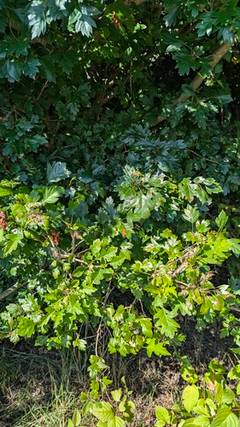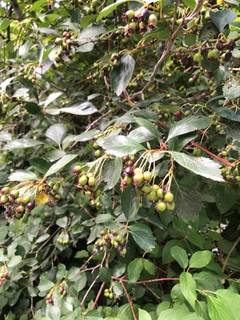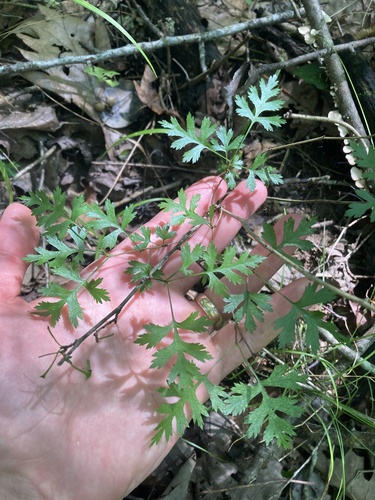
Crataegus, Genus, marshallii, Species,
- Genus & species
parsley hawthorn
Overview
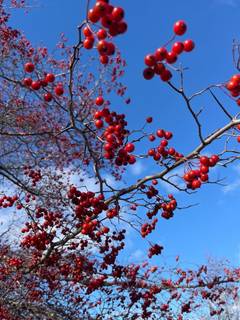
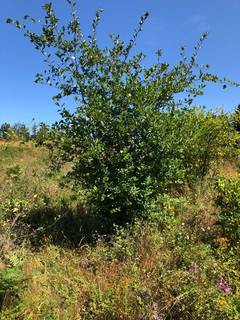
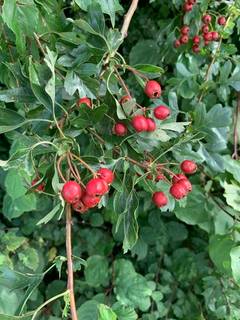
Crataegus marshallii is a small deciduous tree or large shrub in the rose family, growing 12–25 feet (3.7–7.6 m) tall with a slender trunk, spreading branches, and exfoliating grey to reddish-brown bark. The leaves are deeply cut into narrow, toothed lobes 1–2 inches (2.5–5 cm) long, resembling flat-leaf parsley, and are downy when young. Slender thorns 0.4–1 inch (1–2.5 cm) long arm the branches. In early spring it bears flat clusters of white flowers about 0.5 inch (12 mm) across, each with pink to red anthers. The flowers give way to small, glossy bright red fruits 0.25 inch (6 mm) wide that ripen in autumn and are eaten by birds. It grows in moist woodlands, stream bottoms, and the edges of clearings across the southeastern United States. The leaves turn shades of bronze and red before dropping. It tolerates shade and seasonal moisture but is prone to cedar-hawthorn rust, which can spot the leaves and fruit.
Native Range
Crataegus marshallii is native to the southeastern United States, from Virginia south to Florida and west to Texas and Oklahoma, where it occurs in moist woods and bottomlands.Suggested Uses
It is used as a small specimen or understory tree, in woodland gardens, and in wildlife plantings where its fruit feeds birds. It grows in moist borders and naturalized edges in sun to part shade.How to Identify
Appearance
Size & Dimensions
Height12' - 25'
Width/Spread10' - 20'
Bloom Information
White flowers with pink-red anthers open in early spring, generally March to April, before or with the emerging leaves. Bloom lasts one to two weeks. Bright red fruits develop through summer and ripen in autumn.
Detailed Descriptions
Flower Description
white with pink-red anthersFoliage Description
green, bronze-red in autumnGrowing Conditions
Sun Requirements
Requires 4-8 hours of direct sunlight daily
• Full Sun: 6+ hours of direct sunlight
• Partial Shade: 3-6 hours of direct sunlight
• Full Shade: Less than 3 hours of direct sunlight
Care & Maintenance
Care Guide
Crataegus marshallii grows in full sun to part shade on moist, well-drained soils and tolerates a range of textures from loam to clay. It withstands occasional flooding and benefits from steady moisture in its first years. It is propagated from seed, which often needs lengthy stratification. It is prone to cedar-hawthorn rust, especially near junipers, which can spot leaves and fruit. The slender thorns can catch passers-by along narrow paths.Pruning
Pruning is done in late winter while dormant to remove crossing or damaged branches and to lift the crown. Suckers and watersprouts are cleared as they appear. Slender thorns line the branches and remain present during pruning.Pruning Schedule
Prune: January–February
winter