Crataegus, Genus, spp., Multiple species,
- Genus
- Multiple species
hawthorns
Northern Hemisphere temperate regions
Overview
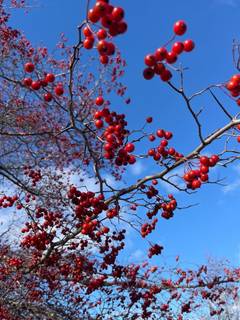
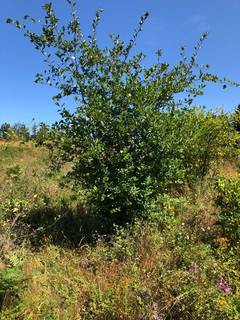
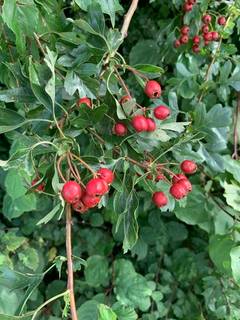
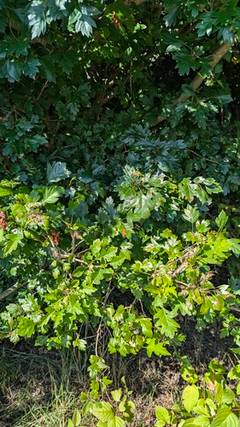
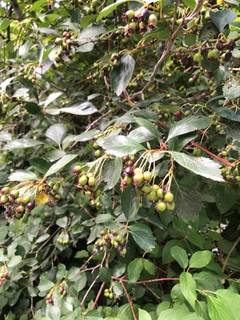
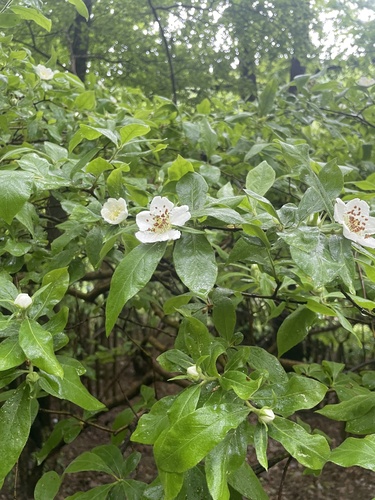
Crataegus is a genus of about 200 to 300 species of deciduous, thorny shrubs and small trees in the rose family, Rosaceae, native to temperate regions of the Northern Hemisphere. Plants reach 15 to 45 feet (5 to 14 m) tall with dense, often rounded crowns and branches bearing stiff thorns 0.4 to 2 inches (1 to 5 cm) long. The leaves are alternate, simple, lobed or toothed, 1 to 4 inches (2.5 to 10 cm) long, and turn red, orange, or yellow before dropping in autumn. White, sometimes pink, five-petaled flowers 0.5 to 0.8 inch (12 to 20 mm) across open in flattened clusters in late spring and carry a heavy scent. The flowers are followed by small pome fruits called haws, 0.2 to 0.6 inch (5 to 15 mm) wide, ripening to red and in some species black or yellow, and persisting into winter. Crataegus grows in USDA zones 3 to 8 and tolerates a wide range of soils. The thorns and dense twiggy growth make pruning slow, and several species act as alternate hosts for cedar-hawthorn rust and are prone to fire blight.
Native Range
Native to temperate regions across the Northern Hemisphere, with centers of diversity in North America, Europe, and East Asia. Numerous species are native to North America, where hawthorns grow along woodland edges, in hedgerows, and in old fields.Suggested Uses
Planted as specimen and street trees, in hedgerows, and as thorny barrier hedges. The persistent haws are eaten by birds, and several species are grown in wildlife and conservation plantings. The thorns limit use near paths and play areas.How to Identify
Appearance
Size & Dimensions
Height15' - 45'
Width/Spread15' - 35'
Bloom Information
Flowers open in late spring, typically May into June, in flattened clusters of white or pink blooms that carry a strong scent. The bloom period lasts about two to three weeks. Pollinated flowers develop into haws that color through late summer and persist after leaf fall.
Detailed Descriptions
Flower Description
white, sometimes pinkFoliage Description
greenGrowing Conditions
Sun Requirements
Requires 6-8 hours of direct sunlight daily
• Full Sun: 6+ hours of direct sunlight
• Partial Shade: 3-6 hours of direct sunlight
• Full Shade: Less than 3 hours of direct sunlight
Care & Maintenance
Care Guide
Grows in full sun to partial shade and tolerates clay, loam, and chalky soils across a wide pH range. Well-drained soil suits the genus, though established plants withstand both brief drought and seasonal wet. Watering through the first few seasons helps young plants establish, after which most species manage on rainfall in temperate climates. Cold hardiness spans USDA zones 3 to 8. Many hawthorns are susceptible to cedar-hawthorn rust, fire blight, and leaf spot, which can disfigure foliage and fruit in humid regions. No routine feeding is required in average garden soil.Pruning
Pruning is done in the dormant season, late winter to early spring, to remove crossing or damaged branches and to lift the crown. Hawthorns tolerate hard renewal pruning and are commonly clipped as formal hedges. The thorns and dense twigs make the work slow.Pruning Schedule
Prune: February–March
winterearly spring