Crataegus, Genus, laevigata, Species,
- Genus & species
English hawthorn
Europe (British Isles to Scandinavia and east to the Caucasus; hedgerows, woodland margins, scrublands on heavier soils)
Overview
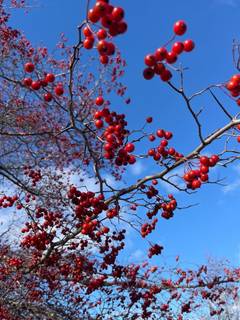
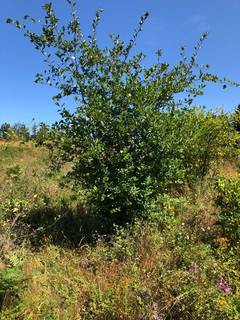
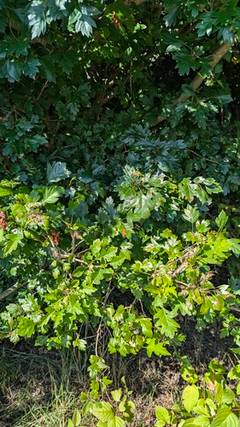
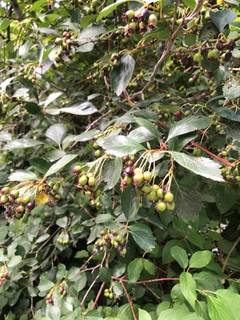
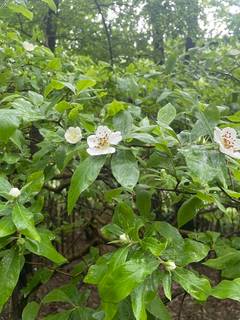
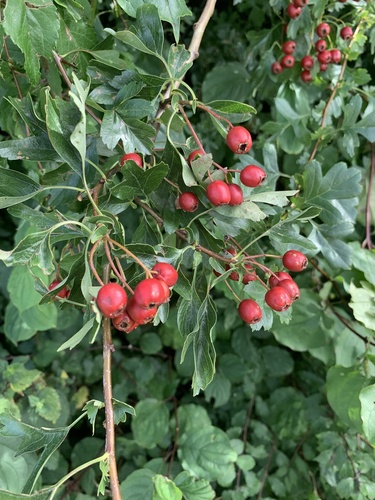
Crataegus laevigata is a small rounded to broadly spreading deciduous tree in the rose family (Rosaceae) reaching 15–25 feet (4.5–7.5 m) tall with a spread of 15–20 feet (4.5–6 m). Common names include English hawthorn, Midland hawthorn, and woodland hawthorn. The species has historical significance as a core hedgerow tree of the British Isles, where it has been used for enclosure hedging since the medieval period; it shares that role with C. monogyna in British agricultural history. Thorns 0.5–1 inch (1–2.5 cm) long arm the branches and twigs. Leaves are shallowly 3–5 lobed, 1–2 inches (2.5–5 cm) long, dark glossy green — the lobes are shallower than those of C. monogyna (common hawthorn), which is the identifying character that separates the two species in mixed British populations. Corymbs of small white flowers open in May, followed by red haws (pomes) 0.3–0.5 inch (8–12 mm) in diameter, each containing 2–3 nutlets versus the single nutlet of C. monogyna. Fall color is variable, typically yellowish. Growth rate is moderate. Hardy to zone 4. The species tolerates poor soil, urban air pollution, and wind exposure. Fire blight and cedar-hawthorn rust are susceptibility concerns. Numerous cultivars carry pink or double flowers, but the species type bears single white flowers. The species has naturalized in parts of North America.
Native Range
Crataegus laevigata is native to Europe, from the British Isles to Scandinavia and east to the Caucasus, where it occurs in hedgerows, woodland margins, and scrublands on heavier soils than those favored by C. monogyna.Suggested Uses
Grown as a specimen tree, informal hedge, or wildlife planting at 10–15 foot (3–4.5 m) spacing. Red haws feed birds through winter, with cedar waxwings and blackbirds as primary consumers. Hedgerow planting at 18–24 inch spacing within a row produces the traditional British boundary hedge form within 5–8 years. Urban street-tree use at 15–20 foot spacing suits the mature size and the pollution tolerance. Numerous cultivars with pink or double flowers extend the ornamental range beyond the white-flowered species type. Regions with severe fire blight pressure or where cedar-hawthorn rust develops readily are not suitable planting contexts given the species susceptibility to both diseases.How to Identify
Appearance
Size & Dimensions
Height15' - 25'
Width/Spread15' - 20'
Bloom Information
Corymbs of small white flowers open in May on the previous season's wood. Red haws (pomes) 0.3–0.5 inch (8–12 mm) in diameter ripen in September–October and persist into winter on the bare branches. Bloom duration is 2–3 weeks. The haws carry 2–3 nutlets each, which is a diagnostic separation character from C. monogyna.
Detailed Descriptions
Flower Description
White; small corymbs on previous season woodFoliage Description
Dark glossy green; shallowly 3-5 lobed 1-2 inches longGrowing Conditions
Sun Requirements
Requires 4-10 hours of direct sunlight daily
• Full Sun: 6+ hours of direct sunlight
• Partial Shade: 3-6 hours of direct sunlight
• Full Shade: Less than 3 hours of direct sunlight
Care & Maintenance
Care Guide
Grows in full sun to partial shade in average well-drained soil at pH 5.5–8.0, tolerating loam, clay, and chalk. Hardy to zone 4. Alkaline soils and heavier clay soils are tolerated, reflecting the species typical habitat on richer substrates than C. monogyna. Urban tolerance includes air pollution, compacted soil, and restricted root zones, which suits the species to city-center street plantings where other small trees struggle. Fire blight (Erwinia amylovora) is a susceptibility concern; overhead irrigation is avoided and affected branches are removed with sterilized tools to slow the disease. Cedar-hawthorn rust (Gymnosporangium species) can develop where junipers are planted nearby. Leaf blight (Entomosporium maculatum) can cause premature defoliation in humid summer climates. Established plants tolerate drought. The thorns on branches are sharp enough to puncture skin and thin gloves; thick leather gloves protect hands during pruning work.Pruning
Pruning is done in late winter (February–March) while the plant is dormant. Dead, crossing, or diseased branches are removed with sterilized tools. The species responds to hard pruning and can be maintained as a clipped hedge through annual late-winter trimming — this matches the historical British hedgerow use. Tree-form specimens retain the natural rounded crown with light structural pruning. Thorn hazard requires thick protective gloves during pruning work.Pruning Schedule
Prune: February–March
winter